Trump’s Wealth vs. Biden’s Economy: A Stark Contrast?
A debate contrasts Donald Trump's reported crypto earnings with concerns over Biden's economy, including rising inflation and gas prices. The discussion critically examines proposed fiscal policies and their impact on national debt and social programs.


Trump’s Wealth vs. Biden’s Economy: A Stark Contrast?
A recent discussion highlights a striking difference in financial narratives surrounding former President Donald Trump and the current Biden administration. The conversation touches on Trump’s personal wealth, particularly his reported gains from cryptocurrency, and contrasts it with the economic policies and outcomes attributed to President Joe Biden. This analysis explores these claims, looking at the economic data and the broader implications for voters.
Trump’s Financial Acumen and Crypto Gains
One of the points raised is Donald Trump’s personal financial situation. While it’s noted that he doesn’t take a presidential salary, the claim is made that he has earned approximately $4 billion through cryptocurrency investments. This figure, if accurate, represents a significant personal financial success. The speaker expresses a degree of admiration for Trump’s handling of the economy during his presidency, suggesting it was steady. This perspective frames Trump as a figure with considerable financial success, both personally and in his past economic stewardship.
Biden’s Economic Record: Inflation and Unemployment Concerns
The discussion then shifts to the economy under President Joe Biden. The speaker challenges the idea of a steady economy, questioning the inflation rate when Biden took office. While the exact figure is debated, the assertion is that inflation has risen significantly since then, with predictions of it reaching 5%. Furthermore, there are concerns that unemployment will increase substantially. Gas prices are also highlighted as skyrocketing, which directly impacts household budgets. When gas prices go up, people have less money to spend on other necessities or discretionary items. This creates a ripple effect throughout the economy.
Proposed Economic Policies: A Critical Look
The conversation takes a critical turn, presenting a hypothetical scenario of economic policies. The speaker sarcastically proposes cutting taxes for the wealthy, which would reduce government revenue. This is then paired with cutting Medicaid for the poor, which would lower government spending. The implication is that such actions would create a misleading picture of fiscal responsibility by balancing reduced income with reduced spending, while disproportionately affecting the most vulnerable populations. The addition of going to war in the Middle East is mentioned as a way to further increase national debt, despite the historical financial costs of past conflicts in the region. The speaker points out that the U.S. added $8 trillion to its debt from recent Middle Eastern wars. This leads to a projected $1 trillion per year in interest payments alone, a burden that compounds and affects future generations.
Historical Context of National Debt
The concern about rising national debt is not new. Throughout various administrations, the U.S. national debt has grown considerably. Wars, economic downturns, and policy decisions all contribute to this trend. For example, the significant increase in debt during and after the wars in Iraq and Afghanistan is a well-documented historical fact. Managing this debt and its interest payments is a persistent challenge for policymakers. The sheer scale of the debt means that a substantial portion of the federal budget is allocated to interest payments, money that could otherwise be used for domestic programs or investments.
Implications and Future Outlook
The contrast drawn between Trump’s reported personal financial gains and the economic challenges under Biden is intended to resonate with voters. It raises questions about who benefits from economic policies and who bears the burden. The criticism of proposed tax cuts for the wealthy and cuts to social programs like Medicaid reflects a common debate about economic inequality and the role of government in supporting its citizens. The mention of war and its impact on debt serves as a cautionary tale, urging a consideration of long-term consequences over short-term political gains. The future economic outlook depends heavily on policy choices, global events, and the effectiveness of measures taken to control inflation and promote stable growth.
Why This Matters
This discussion matters because it directly addresses the financial well-being of everyday Americans. Voters often weigh economic performance and personal financial stability when making their choices. Understanding the claims about different administrations’ economic handling, the impact of inflation and gas prices on household budgets, and the long-term consequences of national debt is crucial for informed decision-making. The debate over tax policies, social safety nets, and foreign interventions highlights fundamental disagreements about how a society should prioritize its resources and care for its citizens.
Source: She Had NOTHING To Say After This… (YouTube)

Related Articles


Hegseth Undermines Trump’s War Plans Daily
Pete Hegseth, Trump's Secretary of Defense, is reportedly undermining the former president's stated war plans with Iran. Conflicting timelines, shifting objectives, and ethical questions surrounding financial dealings create significant uncertainty. This situation highlights the challenges of clear communication and strategic consistency in national security.
Americans Rethink Travel Amid Rising Costs
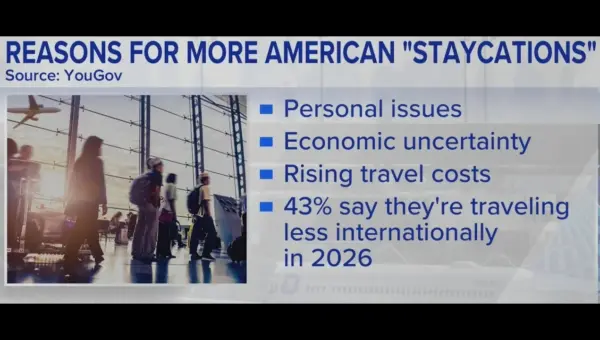
Rising gas prices and long airport lines are pushing Americans towards staycations. Travel expert Bobbie Laurie explains this trend is driven by cost and a desire for less stressful breaks, though it's currently seen as a temporary shift.
Trump Weighs War Crime Threat Over Iran Strait
President Trump is reportedly willing to accept the continued closure of the Strait of Hormuz, despite earlier threats, signaling a shift in U.S. demands. This comes as gas prices surge and markets react negatively to the ongoing conflict. Conflicting messages from within the administration fuel confusion about the war's objectives and exit strategy.