Europe’s Unexplained Wonders: An American’s Bewildered Journey
An American reacts to European norms like unlocked public bikes, healthy breakfasts, and walkable cities, finding them both baffling and admirable. The video highlights stark cultural differences in trust, daily routines, and urban design.


Europe’s Unexplained Wonders: An American’s Bewildered Journey
An average American recently explored a list of things found in Europe that, to their mind, seemed almost impossible to understand. From trusting strangers with public bikes to the very concept of a non-car-centric town, the experience revealed a striking contrast in daily life and societal norms. It’s a fascinating look at how deeply culture shapes our perception of what’s normal.
A Society Built on Trust?
The first item on the list that baffled the American mind was the sight of unlocked public bikes and even public umbrellas, freely available for use. In the U.S., the immediate thought is theft. “If they’re unlocked, they’re going to get stolen,” the observer noted, highlighting a stark difference in how public property is viewed and treated. This absence of theft suggests a higher level of trust within European societies. It’s a concept that, while understood intellectually, is hard to visualize functioning in the U.S. where such items would likely disappear quickly. This points to a fundamental difference in societal trust levels.
Breakfast: A Healthy Enigma
Next up was a European breakfast. While coffee and a pastry might seem familiar, the addition of bananas, jam, and bread was deemed “way too healthy” and requiring “a lot of effort.” The American perspective often leans towards quick, on-the-go options like compressed cereal bars, especially during busy workdays. The European breakfast, in contrast, seemed to represent a slower, more intentional start to the day. This raises questions about health habits and the value placed on meal preparation. Are Europeans simply healthier, or do they prioritize different aspects of their morning routine?
Navigating the Unknown: Public Transport and Urban Design
Things became truly incomprehensible with symbols related to public transportation. Circles, numbers, and strange symbols that looked like “Egyptian hieroglyphics” left the observer completely lost. While the interpretation of 54 minutes as travel time was eventually guessed, the overall system felt alien. This is largely because public transport isn’t as common outside major U.S. cities, where reliance on cars is the norm. The video also showed images of a beautiful, open town with no visible roads for cars, where people were walking everywhere. This lack of familiar road infrastructure was puzzling, even though the aesthetic was appealing. It highlighted a different approach to urban planning, prioritizing pedestrian life over vehicle access.
Culinary Curiosities and Reporting Systems
Food presented another challenge. Beyond French fries and some sauce, the rest of a particular dish was a mystery, described as “squishy gooey like mushy stuff.” This lack of recognition for common European street food underscores a difference in culinary landscapes. Even more intriguing was the mention of an option to “report EU illegal content” on social media. This contrasts with the U.S. system, where reporting options often focus on harassment or community guidelines rather than directly to a governmental body like the EU. The implication of a more centralized or governmental oversight on online content felt “kind of scary” to the American perspective.
Unfamiliar Objects and Banned Delights
Electrical plugs also proved to be a source of confusion. A plug with four prongs, looking “very robust” and capable of powering “the earth,” was unlike anything seen before. This highlights the diversity in even seemingly simple everyday objects across different regions. Perhaps the most surprising item was the mention of Kinder Surprise eggs being banned in the U.S. The reason given was safety concerns, specifically that children might choke on the toy inside. This ban reflects a more cautious approach to consumer products in the U.S. compared to Europe, where these popular chocolate eggs with hidden toys are common.
A Glimpse of History and Health
The final observations touched on grand architecture, like beautiful cathedrals, and the existence of white asparagus. The sheer beauty and historical depth of European cities, with ample space for people to walk and enjoy the sights, stood in stark contrast to many American towns. The mention of white asparagus, a food not widely popular or even known in the U.S., again brought up the topic of health. The American observer openly admitted that the U.S. struggles with obesity and processed foods, making healthy options like asparagus seem less appealing or even strange.
Why This Matters
This video serves as a lighthearted yet insightful commentary on cultural differences. It underscores how deeply our environment and upbringing shape our understanding of the world. The inability to immediately grasp concepts like unlocked public bikes or pedestrian-focused towns isn’t a sign of ignorance, but rather a reflection of different societal priorities and histories. The U.S. has historically prioritized individual car ownership and a different approach to public space and property. Europe, with its older cities and different developmental path, has fostered different norms. Recognizing these differences helps foster cross-cultural understanding and appreciation. It shows that what seems “normal” is often just a product of our specific context.
Implications, Trends, and Future Outlook
The trends highlighted—trust in public systems, healthier eating habits, walkable cities, and diverse consumer products—suggest different societal values. As globalization continues, these contrasts may become more blurred, but fundamental cultural differences are likely to persist. The discussion around reporting illegal content online also hints at ongoing debates about free speech versus regulation, a topic relevant worldwide. The American’s eventual reflection that “this stuff should be more normal” is a key takeaway, suggesting a potential openness to adopting beneficial aspects of other cultures, even if they initially seem strange.
Historical Context and Background
The differences observed have deep historical roots. European cities, often developed over centuries, evolved with pedestrian traffic and public spaces at their core. The post-World War II era in the U.S., however, saw massive investment in highways and suburban development, leading to car-centric infrastructure. Similarly, differing approaches to consumer safety regulations have developed over time, influenced by varying risk assessments and public attitudes. The concept of public trust, as seen with the unlocked bikes, is also influenced by long-standing social contracts and historical experiences with community and governance.
Source: European Things That the American Mind Can't Comprehend (YouTube)

Related Articles


Germany’s Forests Fall, But Its Systems Endure
Germany confronts environmental decline in its forests while its citizens value reliable systems and order. Online discussions reveal a tension between strict rules and the need for flexibility, alongside appreciation for the nation's enduring infrastructure and beauty.

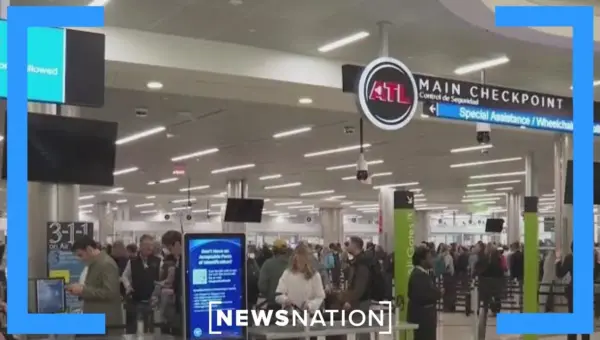
Government Shutdown Strains TSA, Sparks Airport Chaos
A recent government funding bill's passage hasn't immediately fixed widespread airport delays. TSA staffing shortages, caused by delayed paychecks from the shutdown, are leading to extreme wait times. Travelers face missed flights and frustration, while TSA workers question their job security.


Forget Paris! Comedian Rips French Food, Praises Asia
A comedian is sparking debate by calling French food terrible and urging travelers to explore Asia instead. He specifically praised Hong Kong for its diverse, high-quality cuisine and modern appeal, contrasting it with his view of Paris and even Los Angeles.