US Munitions Shortage Threatens Troops in Middle East
A former Pentagon official warns that the U.S. faces a critical shortage of munitions needed to defend its troops in the Middle East. This revelation comes amid internal debate within the Trump administration over escalating military action in Iran versus seeking a diplomatic exit. The lack of sufficient supplies and the risks of ground operations create a precarious situation.

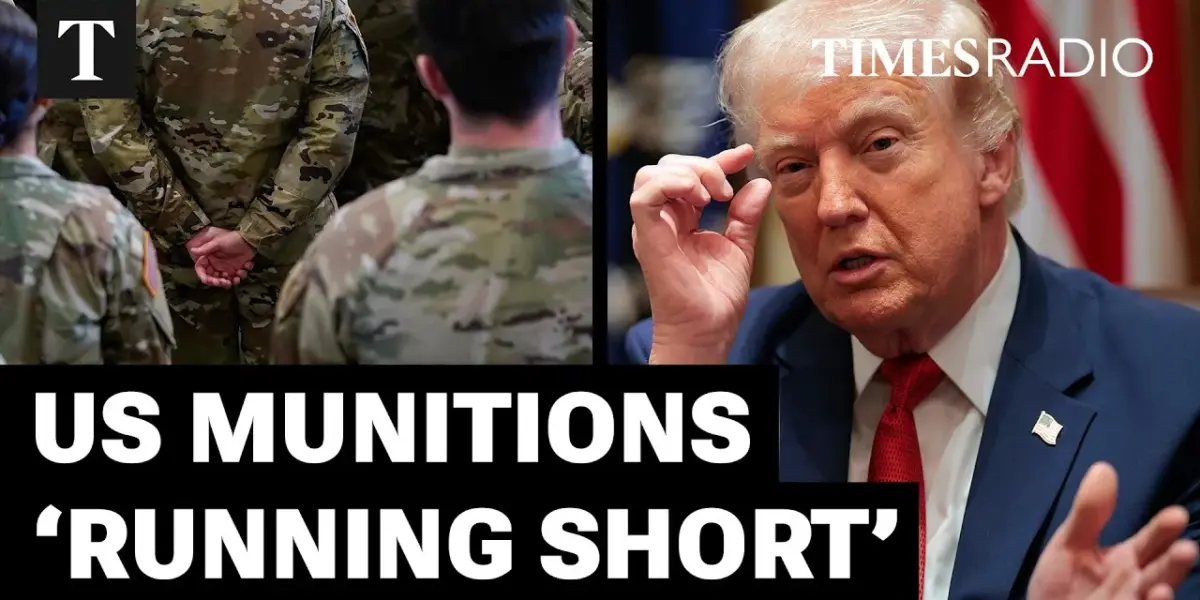
US Faces Munitions Shortage for Middle East Defense
A former Pentagon official has raised serious concerns about the United States’ ability to defend its troops in the Middle East. The official warns that the U.S. may not have enough munitions, or the necessary supplies to fight, to protect its forces in the region. This shortage presents a significant strategic challenge, highlighting the nation’s difficulty in managing multiple global commitments simultaneously.
Internal Debate Over Military Action in Iran
Within the Trump administration, there appears to be a strong internal debate about how to proceed with military actions. Some advisors reportedly favor ground operations to achieve specific objectives in Iran, such as seizing territory or extracting resources. Others are pushing for an “off-ramp,” urging the President to declare victory on existing goals and withdraw troops, partly due to rising domestic energy costs and political pressures.
This internal tension creates a dynamic where President Trump faces conflicting advice. The decision ultimately rests with him, but the choice between escalating military action and seeking a diplomatic exit remains a significant point of contention. The pressure to act with deployed troops is palpable, as military support levels often necessitate action.
Risks of Ground Operations and Escalation
Introducing ground forces into Iran carries substantial risks. A ground operation would likely escalate the conflict significantly, moving it to a much more dangerous level. This escalation would make it far more difficult to declare victory or find a diplomatic solution. The potential for heavy U.S. casualties is also a major concern, making any ground operation a high-stakes gamble.
Furthermore, the practicalities of proposed ground missions are questionable. Taking territory like Kar Island might be possible, but holding it could prove difficult. Extracting resources would require deep incursions into Iran, demanding prolonged control of positions while facing complex logistical challenges and vulnerable supply lines. There is no clear, straightforward ground mission that guarantees a quick and successful exit.
Munitions and Troop Safety Concerns
A critical issue highlighted by a recent report from RUSI (Royal United Services Institute) is the dwindling supply of precision munitions. These are essential for both offensive operations and, crucially, for defending U.S. troops already stationed in the region. The report suggests that U.S. forces, including legacy bases, are vulnerable, essentially becoming “sitting ducks” without adequate defensive capabilities.
The reliance on expensive precision munitions means that maintaining security for existing bases and conducting new operations simultaneously strains resources. This reality forces a difficult calculation: the U.S. cannot afford to be involved everywhere at once, especially when its ability to defend its own personnel is compromised. This directly supports the argument for finding an exit strategy sooner rather than later.
Questioning Strategic Planning and Decision-Making
Questions have been raised about the strategic thinking behind the current approach to Iran. Some observers believe the administration may have entered the situation without fully appreciating the complexities or planning an exit strategy. The Strait of Hormuz, for example, can be held hostage with relatively inexpensive drone technology, suggesting a potential miscalculation in the initial response.
There is speculation that strategic advisors might have been overlooked, with decisions driven more by emotion or instinct. This contrasts with the Trump administration’s own national security and defense strategies, which prioritized asserting U.S. dominance in the Western Hemisphere and deterring China in the First Island Chain. Iran was not initially presented as a major strategic priority in these documents, making the current focus seem inconsistent.
The Search for an “Off-Ramp”
The term “off-ramp” has been frequently used, but its meaning remains unclear. While President Trump often speaks of successful negotiations, details are scarce. Past military actions, like Operation “Rough Rider” against the Houthis, were characterized by quick in-and-out objectives and swift agreements, fitting the “dealmaker” persona.
However, the current situation with Iran does not mirror these previous, more contained operations. The lack of a clear, defined objective and exit plan differentiates it from earlier campaigns. This has caused unease among those who supported an “America First” foreign policy, which generally favored avoiding prolonged, costly interventions.
Tension Between Escalation and Withdrawal
The former Pentagon official suggests that panic is not in President Trump’s vocabulary. Instead, the observable tension likely stems from competing influences within his administration. One faction, including figures like Lindsey Graham, has long advocated for confronting Iran and potentially collapsing its regime. This aligns with a broader Republican objective held for decades.
Conversely, the original “America First” faction argues for de-escalation, emphasizing that the current course could harm Republican prospects in upcoming elections and damage the President’s legacy. They advocate for securing achievable wins and moving on. This internal push-and-pull likely shapes the public discourse and the President’s decision-making process.
No Easy Options Remain
Ultimately, the situation presents no easy choices. Both escalating military action and attempting to “take the win” are fraught with difficulties. The lack of a straightforward path forward means the U.S. is likely facing a choice between several undesirable options. This complex predicament was not anticipated by many who supported the “America First” agenda, which generally steered clear of such entangled foreign policy challenges.
“The folks at Rusi… highlighted… we’re running short on a lot of the munitions that would be depended on to defend these forces. That’s a real structural and strategic reality that the United States has to grapple with. We cannot in fact do everything everywhere all at once.”
Source: The US Does Not Have The Munitions To Defend US Troops In The Middle East | Former Pentagon Official (YouTube)

Related Articles


Gulf Allies Urge Trump to Continue Iran Conflict
U.S. allies in the Persian Gulf are urging President Trump to intensify military action against Iran, believing Tehran has not been sufficiently weakened. The ongoing conflict raises concerns about regional stability and global energy prices, while questions linger about the administration's long-term strategy.
US Weighs Troop Deployment Amid Iran Deal Push
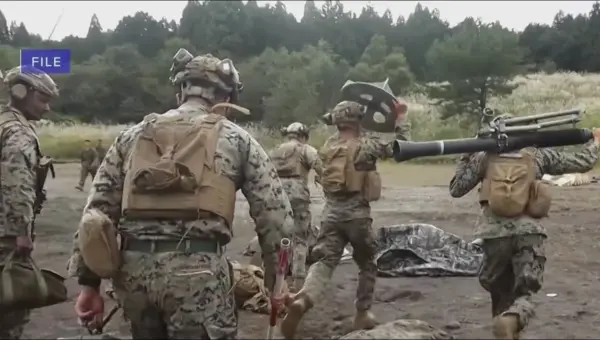
The U.S. is considering deploying ground troops to Iran while simultaneously pushing for a diplomatic deal to reopen the Strait of Hormuz. Air strikes are ongoing as President Trump increases pressure on Iran.

Trump’s Iran War Falters, Retreat Looms Large
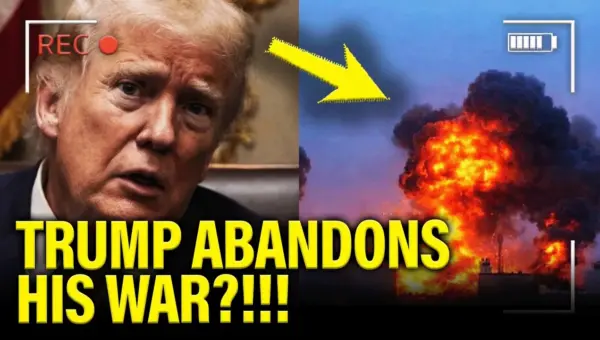
Reports indicate a potential shift in the Trump administration's strategy regarding Iran, moving from ambitious military goals to a possible withdrawal. This pivot raises questions about effectiveness, regional stability, and the evolving nature of modern warfare.