AfD’s Policies Could Harm Its Own Voters Most
The AfD party's policy proposals present a paradox, potentially harming its own supporters most, according to analysis. The party's libertarian stance on taxes and social programs could hurt low-income voters who rely on them. This comes as mainstream parties struggle to connect with the working class.

AfD’s Policies Harm Supporters, Study Suggests
A new analysis of the Alternative for Germany (AfD) party’s policy proposals reveals a surprising paradox: the measures the AfD champions could end up hurting the very people who vote for them the most. This potential self-inflicted harm is particularly concerning given the AfD’s strong support base in rural areas and among voters with lower levels of education, who often prioritize job security and social support. The party’s focus on these voters’ concerns, especially fears about their economic future, is understandable. However, the core of the AfD’s platform appears to contradict the best interests of its most loyal supporters.
The “AfD Paradox”: Libertarianism vs. Worker Needs
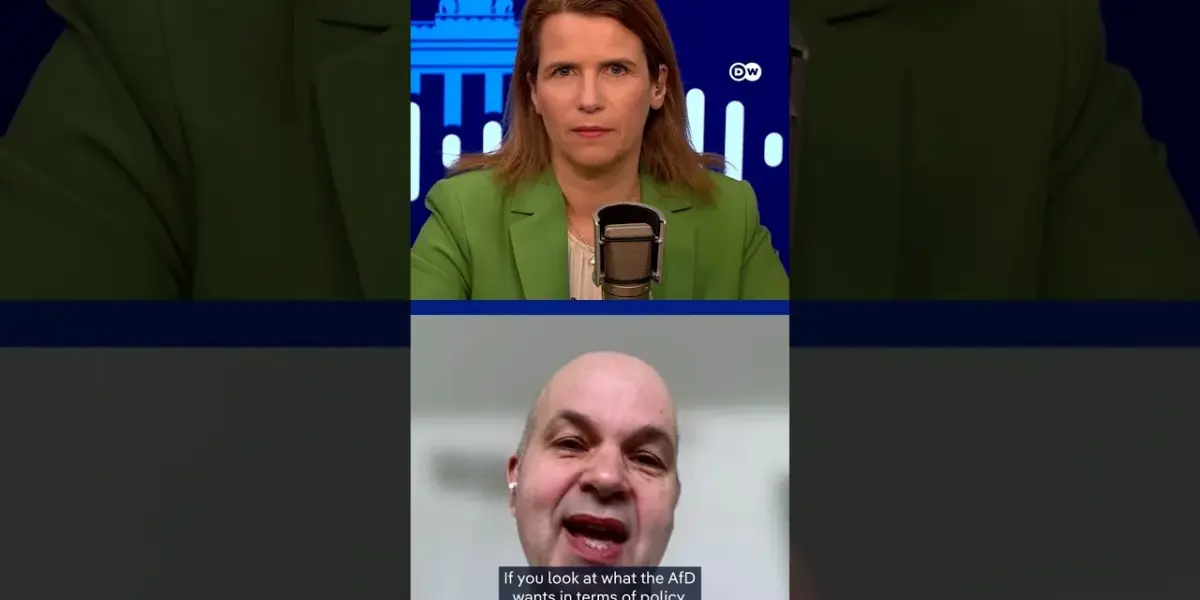
The analysis, highlighted in the Berlin Briefing Podcast, points to what is being called the “AfD Paradox.” The party advocates for extreme libertarian policies. These include significant tax cuts and a drastic reduction in government spending. They also propose lowering social security contributions and aid for low-income individuals. The implication is stark: those who rely most on social safety nets and government assistance would face the greatest negative impact from such policies.
“The irony is I call it the AfD paradox if you look at what the AfD wants in terms of policy it would hurt its own voters more than anyone else.”
This situation creates a challenging dilemma for voters who are drawn to the AfD’s message of change and dissatisfaction with the current political establishment. They may be prioritizing immediate concerns like immigration or national identity, which the AfD addresses directly. Yet, the long-term economic consequences of the party’s proposed policies could undermine their own financial stability and well-being.
Shifting Political Landscape and the Working Class
The podcast discussion also touches on the broader shifts within German politics. For a long time, the Social Democratic Party (SPD) was seen as the natural home for workers and the working class. However, this perception has faded over the years. The SPD has struggled to connect with these voters, who now often feel overlooked or unrepresented by mainstream parties. This void has, in part, been filled by parties like the AfD, which capitalize on economic anxieties and a sense of disenfranchisement.
The AfD’s strategy appears to be rooted in tapping into these feelings of economic insecurity and a desire for radical change. By promising to cut taxes and reduce the size of government, they appeal to a sense of individual responsibility and a distrust of state intervention. Yet, the proposed cuts to social security and aid programs directly impact the financial security of many of their core voters, particularly those with lower incomes and less job security.
Implications for Voters and Policy
The potential for AfD policies to negatively affect its voter base raises important questions about political representation and voter awareness. It suggests a disconnect between the emotional appeal of a party’s rhetoric and the practical outcomes of its proposed actions. Voters facing economic hardship may be drawn to promises of change, without fully considering the potential repercussions on the social safety nets they depend on.
This paradox highlights a critical challenge for democratic societies: ensuring that voters have access to clear, accurate information about the potential consequences of different policy choices. It also points to the need for political parties to develop platforms that genuinely address the needs of their constituents, both in the short and long term. The AfD’s focus on appealing to a specific voter base with promises that may ultimately harm them is a complex issue with significant implications for the future of German politics.
Looking Ahead
As the AfD continues to hold significant sway in certain demographics, the long-term impact of its policy proposals remains a critical area to watch. The coming months will likely see continued debate and analysis of how these policies, if enacted, would affect the German economy and its citizens, particularly those who have placed their trust in the party. Voters will need to weigh the immediate appeals against the potential future costs.
Source: The AfD paradox: Policies likely to hurt voter base most | Berlin Briefing Podcast (YouTube)

Related Articles
Germany Faces Reform Crisis: Coalition Grapples with Urgency
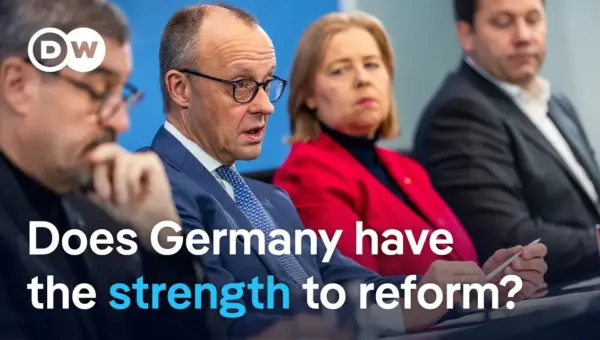
Germany is facing a critical moment, needing urgent social and economic reforms amidst global crises and a rising far-right. The governing coalition is divided, with key figures calling for a shift towards the center and acknowledging budget shortfalls. Public support for reforms is high, but willingness to sacrifice is low, creating a challenging path forward.


Germany’s Anti-AfD Firewall Crumbles Amidst Shifting Politics
Germany's political 'firewall' against the far-right AfD party is showing significant cracks due to rising AfD popularity and recent instances of cooperation. Historically rooted in Germany's experience with Nazism, the firewall aimed to prevent extremist parties from gaining power. However, shifts in the AfD's rhetoric and increased AfD strength, especially in eastern Germany, are challenging this long-standing political norm.


Germany Faces Reform Crisis Amidst Far-Right Surge
Germany is struggling with political paralysis and deep social divides, fueling the rise of the far-right AfD. Analysts believe reforms are inevitable but difficult to implement due to public resistance and government credibility issues. Economic pressures may force the government's hand, but the path forward remains uncertain.