Trump Seeks Iran Deal Amid Midterm Pressure
President Trump faces pressure to secure a deal with Iran before the midterm elections. The agreement aims to halt uranium enrichment and could lower gas prices. However, Iran's strategy appears to be outlasting Trump's presidency amidst domestic political challenges and international dynamics.

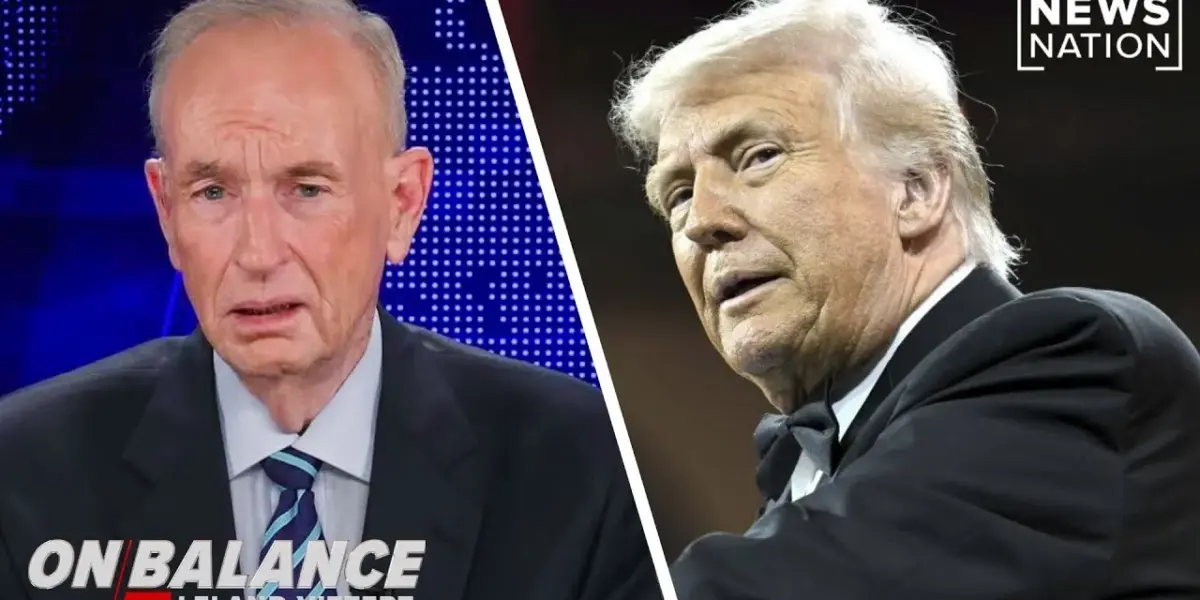
Trump Seeks Iran Deal Amid Midterm Pressure
President Trump faces a critical deadline to strike a deal with Iran. This deal is seen as crucial for his political standing heading into the midterm elections. The core of any agreement would involve allowing weapons inspectors into Iran. This is to ensure they stop enriching uranium. The urgency is fueled by concerns over rising gas prices and potential electoral losses.
Navigating Hysteria and Misinformation
The discussion around potential military action, such as sending infantry to disrupt Iranian batteries in the Strait of Hormuz, is characterized as “hysteria.” This is amplified by media coverage and some of Trump’s own supporters who have turned against him. The idea of a military draft is dismissed as unrealistic and a scare tactic.
The transcript suggests that Iran is playing a long game, aiming to outlast the United States and Israel. They believe European nations and American corporate media are already working against Trump’s policies. This perception emboldens Iran, as they see external forces helping them survive the pressure.
The Iran Deal: A Test of Political Will
Iran’s strategy appears to be simple: survive and outlast Trump’s presidency. However, Trump is up against a political clock. The midterm elections are a major concern. He needs to show progress in foreign policy to boost his approval ratings. Gas prices are a significant factor that could hurt his party’s chances.
A deal with Iran could help lower oil prices quickly, as there is currently a worldwide surplus. China is also mentioned as a key player. President Trump is expected to meet with Chinese President Xi Jinping. It is likely they will have some agreement already prepared.
The Political Landscape and Opposition Weakness
The current political situation presents a challenge for Trump. He needs a deal to secure his legacy and political future. The opposition Democrats are described as having no clear solutions to the nation’s problems. Their main advantage is simply not being Donald Trump.
The public’s anger over high prices and potential war could hurt Trump’s party. The transcript questions how Democrats plan to address issues like food prices or the Iran situation. It suggests they lack concrete plans.
Negotiating from Strength, Not Desperation
While some suggest Trump is desperate for a deal, the analysis argues against this. A good deal maker doesn’t negotiate from desperation. A favorable deal would benefit Trump in many ways. Whether Iran can absorb more damage is a key question.
The role of the Iranian people is also considered. The transcript hints that there may be more happening on the ground in Iran than is publicly known. However, Iran is still able to control the flow of information out of the country.
Global Impact
The push for an Iran deal is tied to domestic U.S. politics, specifically the upcoming midterm elections. A successful deal could lower oil prices, benefiting consumers and potentially helping Republicans maintain control of Congress. It could also be framed as a foreign policy victory for President Trump, bolstering his image as a strong leader.
Conversely, failure to reach an agreement or escalating tensions with Iran could lead to higher oil prices and increased instability in the Middle East. This would give Democrats ammunition to criticize the administration’s handling of foreign policy and the economy. The situation highlights the complex interplay between international relations and domestic political cycles.
Historical Context
The current tensions echo past U.S. foreign policy challenges in the Middle East. The focus on Iran’s nuclear program and regional influence is a continuation of long-standing concerns. Past attempts to negotiate with Iran have been fraught with difficulty, often breaking down over verification and trust issues.
The reference to potential military actions, like disrupting the Strait of Hormuz, recalls historical flashpoints in the region. The involvement of international actors, including European allies and China, reflects ongoing geopolitical dynamics that have shaped Middle East policy for decades.
Economic Leverage
Oil prices are a central economic factor. Trump’s administration has used sanctions against Iran to pressure its economy. The goal is to force concessions on its nuclear and regional activities. A deal could lead to the easing of some sanctions, potentially impacting global oil markets by increasing supply.
The global oil glut mentioned suggests that even without a deal, prices could fall. However, a diplomatic breakthrough would likely accelerate this trend and provide a significant economic boost. China’s role as a major energy consumer and trading partner also influences the economic calculus.
Future Scenarios
One scenario is a swift deal within the next six weeks. This would likely stabilize oil prices and provide a political win for Trump before the midterms. Another scenario is continued stalemate, with ongoing tensions and potential for escalation, which could harm Republicans in the elections.
A third possibility is that Iran, seeing Trump’s political pressure, makes minimal concessions that do not fully satisfy U.S. demands. This could lead to a fragile agreement or continued brinkmanship. The internal situation within Iran, including public sentiment, also plays an unpredictable role.
Source: Trump really needs a deal with Iran within next 6 weeks: Bill O’Reilly | On Balance (YouTube)

Related Articles

Gulf Allies Urge Trump to Continue Iran Conflict
U.S. allies in the Persian Gulf are urging President Trump to intensify military action against Iran, believing Tehran has not been sufficiently weakened. The ongoing conflict raises concerns about regional stability and global energy prices, while questions linger about the administration's long-term strategy.


Middle East Conflict Sends Gas Prices Soaring Past $4
The national average gas price has surpassed $4 per gallon for the first time since 2022, driven by escalating conflict in the Middle East. Recent attacks on oil tankers and military strikes have heightened fears of energy supply disruptions, impacting consumers globally.
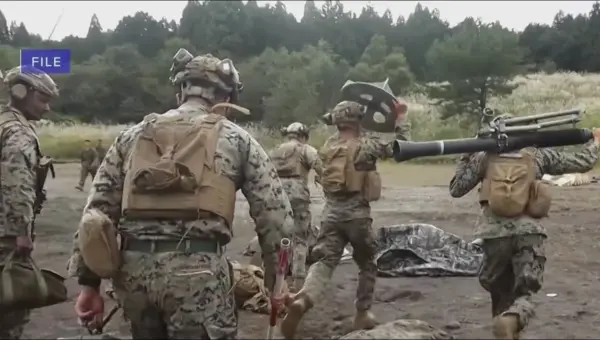
US Weighs Troop Deployment Amid Iran Deal Push
The U.S. is considering deploying ground troops to Iran while simultaneously pushing for a diplomatic deal to reopen the Strait of Hormuz. Air strikes are ongoing as President Trump increases pressure on Iran.