Russia Ships Oil to Cuba Amid US Blockade Pressure
A Russian oil tanker has delivered much-needed crude oil to Cuba, offering temporary relief amid a severe fuel shortage exacerbated by a US blockade. The blockade, aimed at pressuring the Cuban government for regime change, has led to rolling blackouts and disruptions in essential services, creating a humanitarian crisis. While Cuba has offered concessions, the US policy continues to face criticism for its impact on civilians and for potentially benefiting Russia.

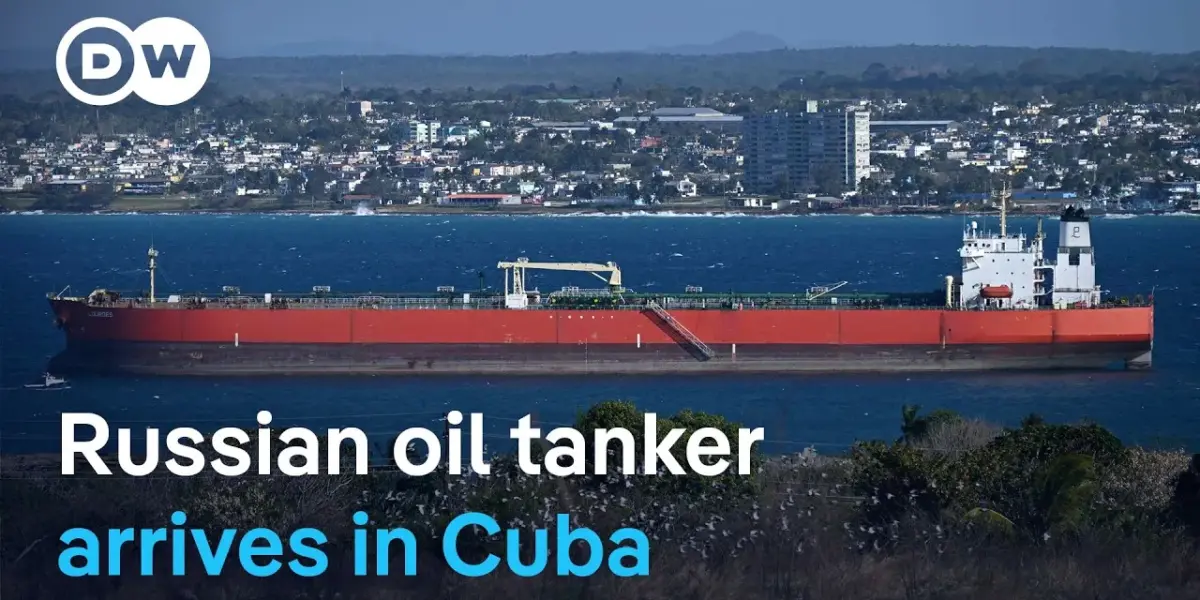
Russian Tanker Reaches Cuba Amid Severe Fuel Shortage
A Russian oil tanker carrying 730,000 barrels of crude oil has arrived in Cuba, offering a critical lifeline to the island nation after weeks of severe fuel shortages. The arrival marks the first shipment of its kind to reach Havana in several weeks, following a period where the United States, under the Trump administration, had intensified its blockade, even diverting a vessel carrying Russian diesel.
The blockade, which began in late January, has exacerbated existing hardships in Cuba. Kremlin spokesperson Dmitry Peskov emphasized the shipment’s importance, stating, “Under the severest blockade, our Cuban friends need petroleum products and oil. This is essential for the country’s life support systems, for generating electricity and for providing medical and other services to the population.” Russia views it as its duty to assist Cuba during this challenging time.
Humanitarian Crisis Deepens Under Blockade
For two months, the intensified US blockade has plunged Cuba into a deepening humanitarian crisis. This pressure comes on top of a nearly 60-year-old trade embargo. Until recently, the US had not actively prevented other nations from supplying Cuba, particularly fuel. However, the current policy change has created severe disruptions.
“Without any fuel, Cuba is really in the midst of a humanitarian crisis,” explained Cecile Sha, an expert on security and diplomacy at the Chicago Council on Global Affairs. “They need oil to produce electricity and without electricity, they are seeing medical procedures cancelled. People are may be having difficulty getting their kidney dialysis.” The lack of fuel also impacts transportation, with gasoline reportedly selling for around $35 a gallon on the black market. This has led to widespread job losses as hotels, which rely on electricity, have been forced to close.
Food shortages are also on the rise, contributing to the growing hardship faced by ordinary Cubans. The situation highlights the direct impact of the US blockade on the daily lives and well-being of the Cuban population.
US Policy: A Long History of Pressure
Cuba has been a consistent point of contention in US foreign policy for decades. The island’s proximity, just 90 miles from Florida, and historical events like the Cuban Missile Crisis in the early 1960s, have made it a deeply personal issue for many US presidents.
“Cuba has been a thorn in the side of every US president since Dwight David Eisenhower,” Sha noted. While past administrations, like that of Barack Obama, sought to ease tensions, Donald Trump’s administration has taken a significantly harder line. This approach is partly rooted in Cuba’s past support for revolutionary movements and groups considered terrorist organizations, as well as harboring fugitives wanted in the US.
Regime Change: The Stated Goal
The primary objective of the current US oil embargo, according to President Trump, is to achieve regime change in Cuba. The administration seeks an end to the communist government, aiming for a more open society. While many Cubans may desire different leadership, Sha points out that Cuba’s human rights record, while including political prisoners, is not as severe as some other autocratic regimes the US has pressured.
Interestingly, in response to the oil embargo, Cuba has reportedly offered to meet several US demands. These include allowing Cuban expatriates to invest in the country and releasing political prisoners. The Cuban government has, however, refused to step down from power.
Conflicting Signals: Why Allow the Tanker?
President Trump’s decision to allow the Russian oil tanker to proceed has been described as a “big mystery.” This move seems to contradict the administration’s stated goal of pressuring the Cuban regime. Critics argue that this allows Russia to gain a significant public relations victory while assisting a country that is also helping Iran in ongoing hostilities.
Sha suggests that Trump’s decisions can be impulsive, often made “on the fly.” He believes the President may have finally recognized the humanitarian crisis unfolding in Cuba. However, a more planned approach could have allowed the US or Mexico to be the ones providing aid, positioning them as heroes rather than allowing Russia to seize that role.
“To me, as an American first of all who wants to help my economy but also just as someone who you know wants to see the US regain its moral position in the world. We’ve lost so much of that in the last year. This to me just seems a disaster. We’re giving a win to Putin,” Sha commented.
Temporary Relief, Uncertain Future
The 730,000 barrels of oil are estimated to provide Cuba with only about a month’s supply, even with careful rationing. While Cuba is accelerating its efforts to install solar panels, oil remains essential for power plants and transportation. This shipment offers temporary relief but does not solve the underlying issues.
The situation also highlights the limited resources and focus within the US State Department, which has undergone significant downsizing. The US appears preoccupied with other foreign policy issues, particularly Iran, leaving little energy for complex negotiations with Cuba.
What’s Next for Cuba?
Looking ahead, experts had hoped President Trump might declare victory by securing concessions from Cuba and then easing some embargo measures. Ideal scenarios included allowing Cuban expats to invest or releasing political prisoners. A more ambitious plan involved negotiating a path toward free and fair elections, potentially with international observers.
“I fear that that would take a level of competence that we have not really seen in this administration up until now,” Sha stated. The current approach, focused on pressuring the government, risks backfiring and may not achieve the desired outcome of democratic reform. The long-term impact of this intensified blockade and Russia’s intervention remains uncertain, with potential consequences for regional stability and US foreign policy standing.
Source: What have the last two months of blockade meant for people in Cuba? | DW News (YouTube)

Related Articles


Hungary-Russia Collusion Alleged in Bid to Lift Sanctions
A new report alleges that Hungary's foreign minister colluded with Russia's Sergey Lavrov to lift EU sanctions on Russian oligarchs and entities. Intercepted calls, authenticated by experts, suggest Budapest acted as a Kremlin agent. The revelations surface as Hungary heads into a critical election, raising concerns about Russian interference and the country's future within the EU.
US Strikes Iran, Escalates Nuclear Fight
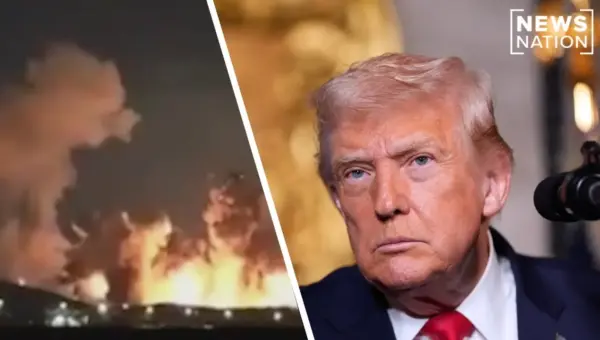
U.S. forces have reportedly struck a key Iranian city linked to its nuclear and missile programs, escalating tensions. President Trump's administration is increasing military pressure while also pursuing diplomatic talks, creating a complex geopolitical situation.
US Troops Show Unwavering Resolve in Fight Against Iran
U.S. troops on Operation Epic Fury exhibit remarkable unity, competence, and urgency in their mission against Iran. Facing challenges with innovation and determination, they prioritize finishing the fight for future generations. The operations aim to degrade Iran's military capabilities and prevent nuclear proliferation, signaling a decisive period ahead.