Oil Shocks Threaten U.S. Economy, Recession Fears Grow
Growing fears of a U.S. recession are fueled by oil price spikes linked to the conflict in Iran. While higher oil costs hurt consumers and can increase inflation, the U.S. also benefits as an oil exporter. The Federal Reserve is watching closely, aiming to avoid policy missteps.

Oil Shocks Threaten U.S. Economy, Recession Fears Grow
The U.S. economy is facing growing concerns about a possible recession, partly due to oil price shocks caused by the conflict in Iran. Major financial institutions like Goldman Sachs and Moody’s Analytics have increased their predictions for a U.S. recession in the coming year. This uncertainty is making both businesses and individuals nervous about the future.
War in Iran Fuels Oil Price Spikes
The conflict has led to worries about the Strait of Hormuz, a vital waterway for global oil. About one-fifth of the world’s oil normally passes through this strait. When this supply is threatened, oil prices jump. Brent crude, a global oil benchmark, has already risen significantly since the war began. This increase directly impacts the cost of goods and services.
How High Oil Prices Hurt the Economy
When oil prices go up, everything becomes more expensive. This includes everyday items like milk and makeup. Higher prices mean people have less money to spend on other things. Since consumer spending is a major driver of U.S. economic growth, a drop in spending can slow down the economy. This creates a difficult situation for businesses and workers.
Inflation and Interest Rates: A Double Whammy
Rising prices can also lead to higher inflation. Inflation is when the general level of prices for goods and services rises. To fight inflation, the Federal Reserve, led by Chairman Jerome Powell, might raise interest rates. Raising interest rates makes borrowing money more expensive for businesses and consumers. This can further slow down economic activity and push the economy closer to a recession.
Federal Reserve’s ‘Wait and See’ Approach
However, Federal Reserve Chairman Jerome Powell has indicated a more cautious approach. He stated that the Fed is taking a ‘wait and see’ stance on raising interest rates. Powell believes that oil shocks, like the current ones, often resolve themselves relatively quickly. This approach aims to avoid making economic decisions too soon that could worsen the situation.
U.S. as an Oil Exporter: A Mixed Blessing
While American families feel the pain of higher gas prices, the U.S. is also a net exporter of oil. This means some U.S. oil companies benefit from the higher global prices. These companies are a part of the U.S. economy, which creates a complex situation. Higher oil prices can boost profits for some while hurting consumers and other businesses.
What the Federal Reserve Looks For
The Federal Reserve has powerful but blunt tools, mainly adjusting interest rates. Raising or lowering interest rates affects everything from mortgages to business loans. The Fed must be careful. If oil prices spike quickly and then fall, a rapid interest rate hike could destabilize the economy. The Fed needs to avoid using its tools in a way that harms the economy more than it helps.
Potential Solutions and Their Limits
Ideas like releasing oil from the Strategic Petroleum Reserve or easing sanctions on Russian oil have been discussed. However, the U.S. oil reserves are small compared to global daily production. Experts suggest that the most effective way to prevent a recession and stabilize markets would be to end the war as soon as possible. Even with a swift end to the conflict, it could take weeks or months for oil prices to return to normal levels.
Preparing for a Potential Downturn
When asked about personal preparation, experts advise increasing savings and ensuring resumes are up-to-date. However, they also caution against widespread saving and reduced spending. If everyone stops spending, it could trigger a recession on its own. The idea is that fear itself can become a self-fulfilling prophecy, as President Franklin D. Roosevelt once said, “we have nothing to fear but fear itself.”
Signs of an Approaching Recession
Currently, there are no clear signs of an immediate recession. However, an approaching downturn would likely show businesses slowing their investments and cutting back on expansion. Inventories of unsold goods would start to rise as consumer buying slows. Eventually, layoffs would increase. For now, layoff numbers remain historically low, suggesting the economy is still relatively healthy.
Looking Ahead
The economic outlook remains uncertain, heavily influenced by the ongoing conflict and its impact on global energy markets. While economists continue to monitor these developments, the possibility of a recession looms. The Federal Reserve’s careful approach and the complex nature of oil price shocks mean that the situation requires close observation in the coming months.
Source: Economics professor on whether the US is headed for a recession | Jesse Weber Live (YouTube)

Related Articles


Middle East Conflict Sends Gas Prices Soaring Past $4
The national average gas price has surpassed $4 per gallon for the first time since 2022, driven by escalating conflict in the Middle East. Recent attacks on oil tankers and military strikes have heightened fears of energy supply disruptions, impacting consumers globally.
Trump Weighs War Crime Threat Over Iran Strait
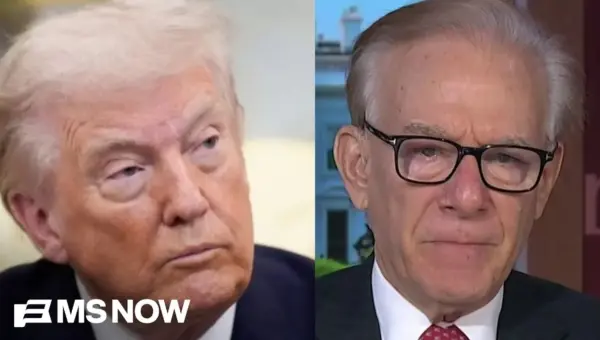
President Trump is reportedly willing to accept the continued closure of the Strait of Hormuz, despite earlier threats, signaling a shift in U.S. demands. This comes as gas prices surge and markets react negatively to the ongoing conflict. Conflicting messages from within the administration fuel confusion about the war's objectives and exit strategy.


Trump’s Iran War Falters, Retreat Looms Large
Reports indicate a potential shift in the Trump administration's strategy regarding Iran, moving from ambitious military goals to a possible withdrawal. This pivot raises questions about effectiveness, regional stability, and the evolving nature of modern warfare.