Midterms Loom: Trump Faces Political Storm Amid Foreign Policy Woes
As the U.S. heads into midterm elections, Donald Trump faces political headwinds. Concerns over costly foreign wars, domestic economic issues, and shifting public trust could weaken his influence. The outcome of the midterms may determine his ability to navigate potential legal challenges and shape future policy.

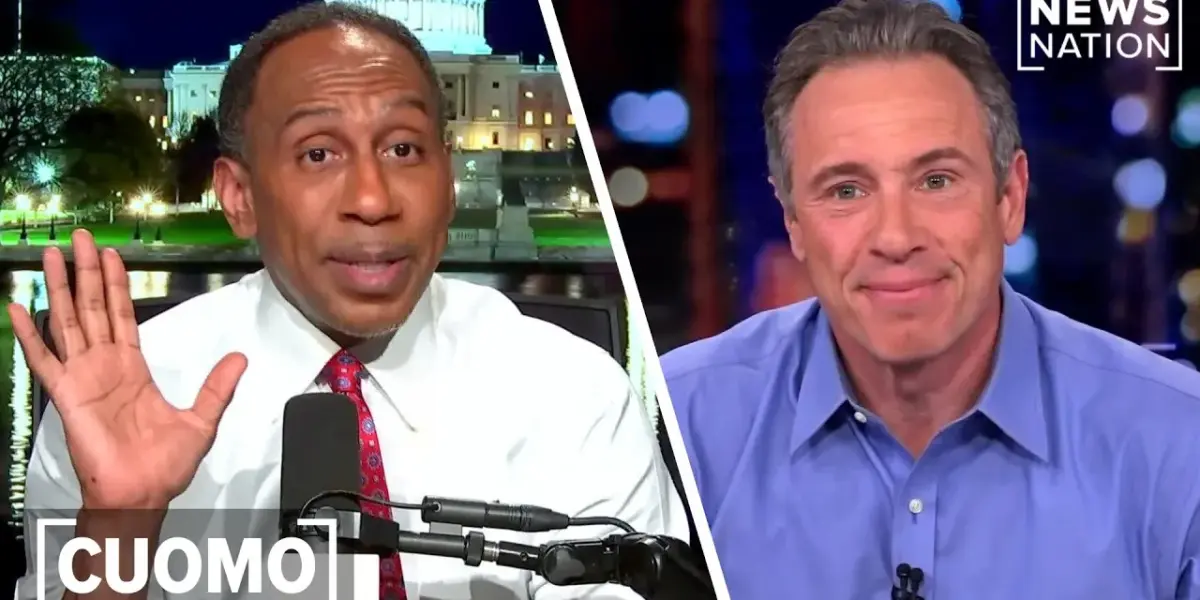
Midterms Loom: Trump Faces Political Storm Amid Foreign Policy Woes
As the United States approaches crucial midterm elections, former President Donald Trump finds himself in a precarious political position. A potential shift in power on Capitol Hill could significantly alter his ability to influence policy and face legal challenges. This analysis examines the complex interplay of domestic politics, foreign policy decisions, and economic pressures shaping the current landscape.
The Stakes of the Midterm Elections
The upcoming midterm elections are particularly important for Trump and his allies. If Democrats regain control of either the House of Representatives or the Senate, Trump’s political influence could be severely weakened. Having both houses of Congress in his favor has provided him with considerable power. However, recent actions and statements may alienate voters, potentially leading to losses for the Republican party. Losing even one chamber could compromise his agenda and increase scrutiny.
Foreign Policy Entanglements and Domestic Concerns
The transcript highlights concerns about costly foreign wars, particularly regarding Iran. The discussion questions the effectiveness and honesty of past statements about the situation, suggesting a potential disconnect between official narratives and reality. This perceived dishonesty could turn members of his own party and the wider electorate against him. The article points out that the cost of these foreign engagements, estimated at $100 million to $2 billion per day, contrasts sharply with unmet domestic needs, such as support for TSA workers. This economic disparity could resonate with voters concerned about the cost of living, gas prices, and general affordability.
Shifting Alliances and Public Perception
The role of Israel in current foreign policy decisions is also noted. The transcript suggests that Israel is taking a significant amount of public criticism, possibly serving as a buffer for Trump. This arrangement allows Israel to pursue its objectives while deflecting some of the negative attention from the U.S. administration. However, this lack of clear U.S. alliance can leave the public questioning the direction of foreign policy. Furthermore, rising antisemitism is mentioned as a growing concern, potentially complicating public perception and adding another layer of political risk.
Trump’s Political Strategy and Vulnerabilities
Trump’s communication style is described as inconsistent, with frequent changes in his public statements. While this might be seen as a strategic move by some, the article argues that the ultimate judgment will come from the American people at the polls. His strong base of support, often referred to as MAGA, is loyal. However, a significant portion of independent voters may not trust his words or actions. The article suggests that Trump’s focus on foreign policy may be seen by some as an attempt to distract from domestic issues he has not effectively addressed, such as tariff wars and affordability concerns.
Historical Context and Precedents
The discussion implicitly draws parallels to past administrations facing similar challenges. The idea of campaigning on promises and then failing to deliver on key domestic issues is a recurring theme in American politics. The contrast between spending billions on foreign conflicts while struggling to fund essential domestic services is a potent political argument that has been used effectively in past elections. The article also touches upon the public’s weariness with perceived hypocrisy, referencing past instances of public figures facing scrutiny for actions that contradict their public image.
Economic Leverage and Consequences
Economic factors play a central role in the analysis. The high cost of foreign military operations is contrasted with the inability to meet domestic financial obligations. This disparity highlights potential economic vulnerabilities. Furthermore, the article mentions that Trump’s administration has not addressed issues like affordability and the cost of living effectively. This economic dissatisfaction could significantly influence voter behavior in the midterms. The effectiveness of past trade policies, like tariff wars, is also questioned, suggesting that their economic benefits remain uncertain.
Potential Future Scenarios
One future scenario involves Trump successfully navigating the midterm elections and maintaining his political influence. In this case, he could continue to pursue his policy objectives with less resistance. Another scenario, presented as more likely by the analysis, is that a Democratic victory in one or both houses of Congress will significantly curtail his power. This would likely lead to increased oversight and potential legal challenges. The article suggests that if Trump is perceived as having lied about foreign policy outcomes or failed to address domestic economic needs, his political standing could further erode, regardless of his core supporters.
Global Impact: Reshaping the World Order
The events discussed have broader implications for the global order. A shift in U.S. political power could alter its foreign policy commitments and relationships with allies and adversaries. The focus on domestic issues over international engagements, or vice versa, can create vacuums or opportunities for other global actors. The credibility of U.S. leadership on the world stage is intrinsically linked to its domestic stability and the perceived competence of its administration. Decisions made regarding foreign conflicts and economic policies have ripple effects that extend far beyond American borders, influencing trade, security, and diplomatic relations worldwide.
The Tiger Woods Analogy
The transcript includes a lengthy discussion using the example of Tiger Woods’ personal struggles as an analogy for public figures facing repeated mistakes. The repeated instances of driving under the influence, despite his wealth and status, are presented as evidence of a persistent problem. The article suggests that the public’s frustration stems from a perception that Woods has repeatedly avoided serious consequences, unlike ordinary citizens. This analogy underscores a broader theme of accountability and public trust, suggesting that voters may hold politicians to similar standards when judging their actions and perceived integrity.
Source: Trump could be in 'world of trouble' if Dems win midterms: Stephen A. Smith | CUOMO (YouTube)

Related Articles
Gulf Allies Urge Trump to Continue Iran Conflict
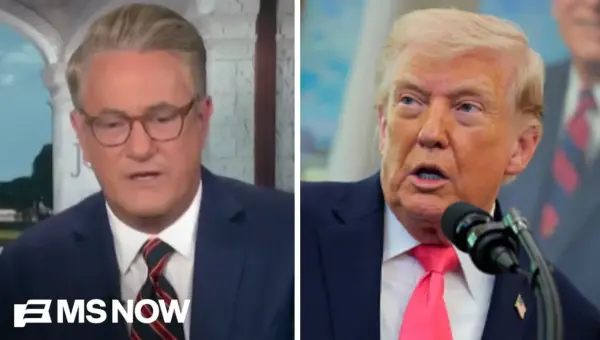
U.S. allies in the Persian Gulf are urging President Trump to intensify military action against Iran, believing Tehran has not been sufficiently weakened. The ongoing conflict raises concerns about regional stability and global energy prices, while questions linger about the administration's long-term strategy.

MAGA Movement’s Grip: Echoes of January 6th Persist
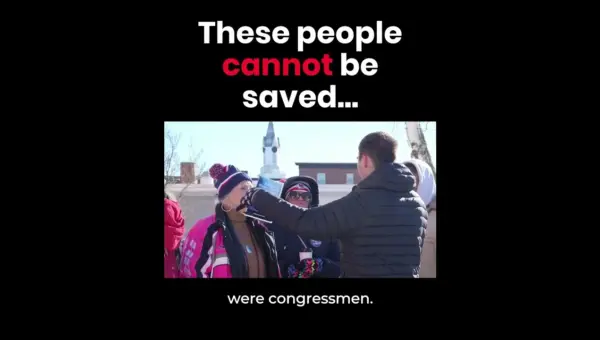
Audio from January 6th reveals a disturbing justification for the actions of Ashli Babbitt, highlighting the persistent and troubling narratives within parts of the MAGA movement. This mindset continues to pose challenges to democratic norms.

Middle East Conflict Sends Gas Prices Soaring Past $4
The national average gas price has surpassed $4 per gallon for the first time since 2022, driven by escalating conflict in the Middle East. Recent attacks on oil tankers and military strikes have heightened fears of energy supply disruptions, impacting consumers globally.