Trump’s War Focus Alienates MAGA Base, Fuels Protests
Frustration is mounting as President Trump's focus on foreign wars clashes with domestic needs and promises to his MAGA base. Protests like 'No Kings' highlight public anger over war spending, rising costs, and neglected issues, while Democrats seek common ground on practical solutions.

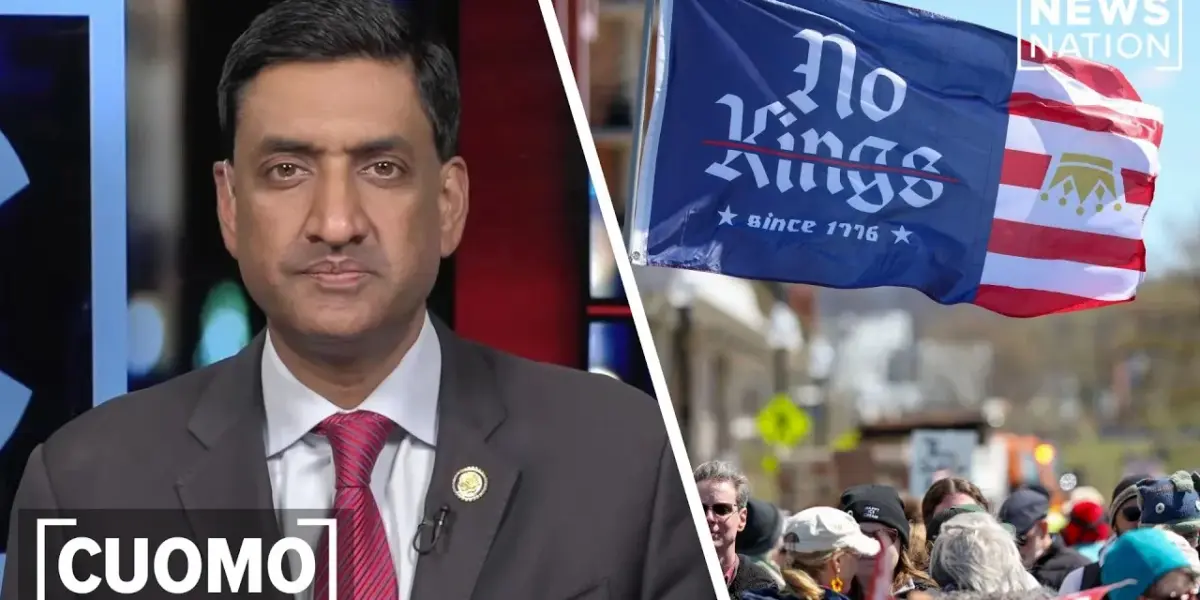
Trump’s War Focus Alienates MAGA Base, Fuels Protests
A growing wave of public frustration is bubbling up across the United States, marked by protests like the recent ‘No Kings’ movement. Many Americans feel let down by President Trump’s decisions, especially his focus on foreign wars while domestic issues are neglected. This discontent is not just coming from Democrats; it’s also coming from within his own base, the MAGA supporters.
The Government Shutdown Deepens Divisions
The recent government shutdown, the longest in history at 45 days, highlighted deep political rifts. Republicans rejected a bipartisan Senate plan to end it. Reports suggest President Trump believed the shutdown benefited him politically and wasn’t pushing for a deal. Meanwhile, Congress took a two-week break during Holy Week, a time often associated with rebirth and renewal, leaving many Americans wondering if their leaders will return with a new sense of purpose.
Billions Spent on Foreign Wars Amidst Domestic Hardship
The White House is asking for $200 billion to fund a foreign war. The daily cost of this conflict is staggering, estimated at $800 million to $1 billion per day. To pay for it, the administration has proposed cutting funds from programs that help the poor with healthcare, suggesting that fraud is more common among lower-income individuals. This approach is drawing sharp criticism.
‘No Kings’ Protests Reflect Broad Discontent
Representative Ro Khanna, a Democrat from California, noted that about one in 15 Americans participated in the ‘No Kings’ protests. These demonstrations aren’t just about money; they reflect a deeper anger. People are upset about the billions spent on overseas wars, which have already cost the lives of 13 service members, with 7,000 more troops being sent into harm’s way. They are also frustrated by rising gas prices, which have nearly doubled in some areas, and the fact that essential workers like TSA agents are not being paid during government shutdowns.
MAGA Base Feels Betrayed by Trump’s Shift
Representative Khanna points out that two key things have changed regarding President Trump’s standing with his MAGA base. Firstly, Trump has not followed through on promises important to his supporters. For instance, the MAGA base wanted him to investigate wealthy and powerful individuals accused of pedophilia and influencing the government, a goal seen as a core part of their movement. Trump’s decision to ‘move on’ from this issue has disappointed them.
Secondly, the MAGA base has grown tired of endless foreign wars. They remember Trump criticizing the Iraq War and questioning George W. Bush’s decision to invade Iraq. Now, however, Trump is leading the country into a potential war in Iran. This shift is seen by some as similar to the situations that led to low approval ratings for George W. Bush, particularly when he involved the U.S. in foreign conflicts.
Democrats Seek to Differentiate Themselves
Democrats are trying to distance themselves from the political gridlock. While Republicans may point to the shutdown as a Democratic failure, Democrats argue they have been pushing for a common-sense solution. They supported a Senate bill, passed unanimously 100-0, to fund TSA and Homeland Security workers. Their main point of disagreement is with the ICE agency, which they believe has misused its authority to harass citizens and arrest immigrants. Democrats propose funding everything else while resolving the ICE issue separately.
Opportunity for Bipartisan Action on Domestic Issues
Despite the deep divisions, Representative Khanna sees an opportunity for bipartisan cooperation on domestic issues. He suggests starting with accountability for those who have abused young girls, calling it a bipartisan concern. He also advocates for creating 1,000 trade schools across America to boost job creation for those not pursuing a college degree, and for establishing apprenticeships.
Furthermore, Khanna believes Congress should invest in critical industries within the U.S., like rare earth minerals, robotics, and key manufacturing materials, instead of allowing China to dominate these sectors. He notes that some of these were even Trump’s own campaign ideas. However, he feels the President has chosen to focus instead on foreign wars and tax breaks, missing a chance to unite the country on practical solutions.
Historical Context: A Return to Reagan-Era Diplomacy?
The current political climate echoes past debates about America’s role in the world. The focus on foreign intervention versus domestic needs has been a recurring theme in U.S. foreign policy. The MAGA base’s desire to end ‘endless wars’ recalls isolationist sentiments present throughout American history, and their disillusionment with Trump mirrors criticisms faced by previous presidents who expanded military commitments abroad. The call for rebuilding domestic industries and trade schools also harks back to policies aimed at strengthening the American workforce, reminiscent of earlier industrial development initiatives.
Economic Leverage and Dependence
The transcript highlights economic pain points affecting everyday Americans, such as rising gas prices and unpaid government workers. The proposed cuts to healthcare programs for the poor also underscore the economic choices being made. The mention of China’s dominance in critical minerals and robotics points to global economic competition and potential U.S. dependencies that lawmakers are now looking to address through domestic investment and industrial policy. The funding of foreign wars, especially when contrasted with domestic needs, also raises questions about national economic priorities and resource allocation.
Shifting Power Dynamics and Future Scenarios
The discontent within the MAGA base represents a significant potential shift in the political landscape. If Trump continues to prioritize foreign policy and neglects core promises to his supporters, he risks alienating a crucial voting bloc. Democrats, while facing their own challenges in overcoming Republican opposition, are attempting to position themselves as the party focused on practical domestic solutions. One scenario is that this internal GOP division deepens, potentially weakening the Republican party’s electoral prospects. Another scenario is that Trump manages to re-energize his base by pivoting back to core issues, or that external events distract from domestic grievances. A third possibility is that the bipartisan calls for domestic investment gain traction, forcing a broader political realignment around economic and industrial policy.
Global Impact: A Less Engaged America?
The focus on foreign wars and the internal political divisions in the U.S. could have significant global implications. If the U.S. becomes more inward-looking or preoccupied with domestic political battles, it might reduce its capacity for international engagement. This could create power vacuums in various regions, potentially leading to increased instability or allowing other global powers to expand their influence. The debate over spending billions on foreign wars versus investing in domestic infrastructure and jobs also reflects a broader global tension between national interests and international responsibilities.
Source: Americans feeling betrayed by Trump the force behind 'No Kings': Ro Khanna | CUOMO (YouTube)

Related Articles

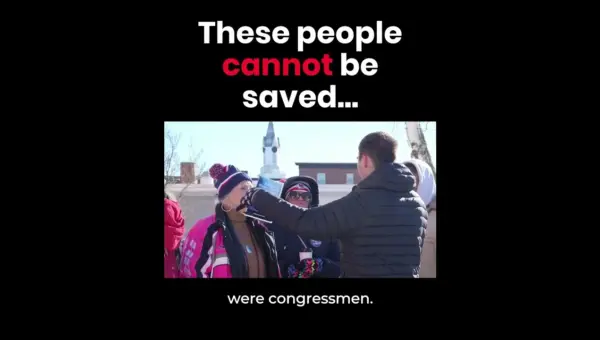
MAGA Movement’s Grip: Echoes of January 6th Persist
Audio from January 6th reveals a disturbing justification for the actions of Ashli Babbitt, highlighting the persistent and troubling narratives within parts of the MAGA movement. This mindset continues to pose challenges to democratic norms.


Trump Threatens Iran; TSA Workers Get Back Pay
Tensions escalate in the Middle East as President Trump threatens severe action against Iran if a deal isn't reached, while Iran denies ongoing U.S. negotiations. Meanwhile, TSA workers receive partial back pay amid a prolonged government shutdown, and lawmakers face scrutiny over potential insider trading in online prediction markets.

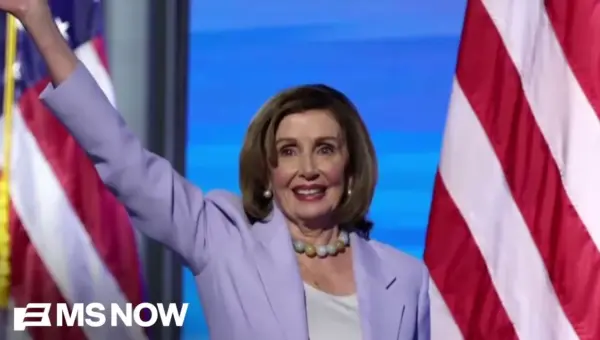
Pelosi Confident Woman President Will Emerge
Former House Speaker Nancy Pelosi believes a woman president will soon hold the highest office, describing the barrier as a "marble ceiling." She reflected on her career, praised Kamala Harris, and discussed her past influence on President Biden's decision not to seek reelection. Pelosi also shared concerns and plans for the midterm elections.