US Faces Shifting Alliances Amidst Iran Tensions
Former President Trump's statements on Iran and international conflicts highlight shifting geopolitical alliances and strategic uncertainties. Meanwhile, Iran mobilizes for a potential U.S. ground operation, facing logistical hurdles and an unclear U.S. strategy. European support for Ukraine also faces challenges, with Hungary's stance and U.S. reliability impacting aid.

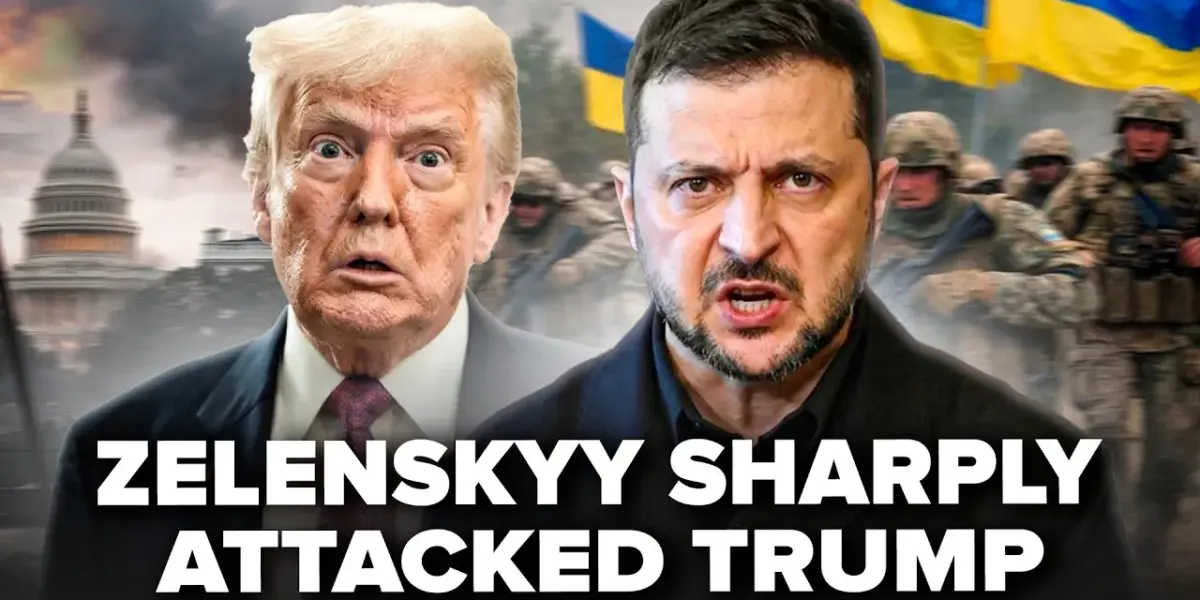
US Faces Shifting Alliances Amidst Iran Tensions
The United States is navigating a complex geopolitical landscape, with potential military actions against Iran and evolving relationships with allies creating significant uncertainty. Recent statements from former President Donald Trump regarding postponed strikes on Iran’s energy infrastructure and his views on international conflicts have brought these dynamics to the forefront.
Iran Prepares for Potential US Ground Operation
Reports indicate that Iran has mobilized over one million people in preparation for a possible U.S. ground operation. This mobilization comes amid threats from Iran to mine the Strait of Hormuz and the Persian Gulf if the U.S. attempts to seize the Iranian island of Kark. The prospect of a U.S. ground operation, however, faces significant logistical and strategic challenges.
Logistical Hurdles and Unclear Strategy
Experts highlight that the war effort against Iran, like the ongoing conflict in Ukraine, appears to have lacked proper planning and a clear strategy from its inception. This lack of foresight is evident in the delayed deployment of essential military assets, such as amphibious assault ships needed for a potential Marine deployment. The absence of a well-defined plan raises questions about troop readiness, supply lines, and overall operational feasibility.
The prosecution of war heavily relies on logistics. This includes not only the delivery of ammunition and equipment but also ensuring troops have basic necessities like food and shelter, along with access to medical facilities. Without adequate logistical preparation, any military operation risks faltering, a lesson observed in the challenges faced by forces advancing further into Ukraine.
Trump’s Market Influence and Political Strategy
Former President Trump’s public statements, often made via social media, have drawn scrutiny for their potential to influence financial markets. His pronouncements, sometimes made before or after market hours, have historically led to significant market fluctuations. Critics suggest this pattern could be an attempt to manipulate markets, particularly amidst falling approval ratings, though Iran denies making any requests to postpone strikes.
The effectiveness of such tactics is debated, especially when juxtaposed with the need for a consistent and clear national security strategy. Military leaders, including retired Generals like John Allen and Jim Mattis, have emphasized the critical difference between tactical battlefield success and a coherent, overarching strategy. The administration’s approach, described by some as improvisational, has led to shifting demands and objectives, with market manipulation appearing as a primary outcome.
Shifting Alliances and European Support for Ukraine
The geopolitical landscape extends beyond the Middle East, with significant implications for European support for Ukraine. Funding for Ukraine remains a critical issue, with reports suggesting sufficient funds are available only through June. The obstruction of EU assistance by Hungarian Prime Minister Viktor Orbán, particularly until Hungary’s elections in April, poses a significant challenge.
The upcoming Hungarian elections are seen as crucial, with external actors, including Russia, reportedly seeking to influence the outcome. The United States, meanwhile, is facing its own political pressures, impacting its ability to consistently support allies. This situation has led to Europe increasing its own munitions production, aiming for greater independence from U.S. military aid.
Potential Sanctions and Geopolitical Leverage
While legislative efforts are underway in the U.S. to impose sanctions on Hungary for obstructing aid to Ukraine, their passage and effectiveness remain uncertain. Such measures, if enacted, could target Hungarian officials involved in Russian energy procurement and efforts to block support for Kyiv. However, the current political climate suggests limited bipartisan support for such actions.
This evolving situation underscores a broader trend of allies seeking greater autonomy. The U.S. is perceived as a less reliable partner, prompting nations to build their own defense capabilities and secure alternative supply chains. This shift reduces the U.S.’s leverage in international negotiations, including those concerning Ukraine.
Cuba and China: Unresolved Diplomatic Challenges
The U.S. is also observing increased rhetoric surrounding Cuba, with potential implications for Russian influence in the region. The movement of Russian oil tankers towards Cuba raises questions about how the U.S. will respond, particularly given its recent waivers on sanctions for Russian oil. This could test the administration’s commitment to its established policies.
Looking ahead, a planned visit by former President Trump to China in May is unlikely to yield significant agreements. China, having weathered previous U.S. tariffs and diversified its supply chains, possesses considerable leverage. The U.S. approach, characterized by attempts to intimidate allies rather than negotiate effectively with adversaries, suggests a challenging path forward in high-stakes diplomatic engagements.
Ukraine’s Position and Future Negotiations
Ukraine faces a critical juncture, with its reliance on external aid and the evolving geopolitical landscape impacting its stability. Reports suggest the U.S. may be offering security guarantees in exchange for Ukrainian troop withdrawals from certain regions, a proposal met with skepticism. Ukraine’s own successes on the battlefield, including drone production and strikes within Russia, provide it with significant leverage.
As the U.S. navigates these complex international challenges, its influence appears to be waning, prompting allies to pursue more independent strategies. The future of international security and aid hinges on these shifting alliances and the ability of global powers to establish consistent and effective diplomatic approaches.
Source: 😱Zelenskyy responded to Trump’s proposal! An unacceptable ultimatum for Ukrainians. Kremlin pushed (YouTube)

Related Articles

Gulf Allies Urge Trump to Continue Iran Conflict
U.S. allies in the Persian Gulf are urging President Trump to intensify military action against Iran, believing Tehran has not been sufficiently weakened. The ongoing conflict raises concerns about regional stability and global energy prices, while questions linger about the administration's long-term strategy.


Middle East Conflict Sends Gas Prices Soaring Past $4
The national average gas price has surpassed $4 per gallon for the first time since 2022, driven by escalating conflict in the Middle East. Recent attacks on oil tankers and military strikes have heightened fears of energy supply disruptions, impacting consumers globally.
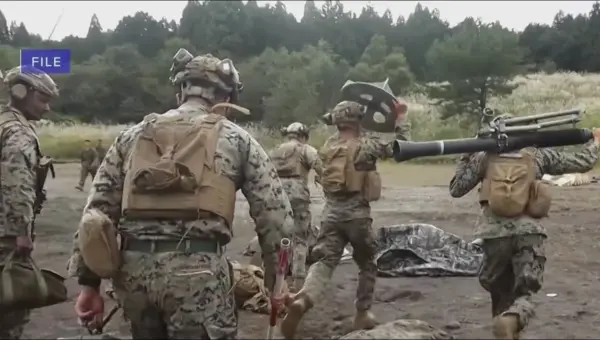
US Weighs Troop Deployment Amid Iran Deal Push
The U.S. is considering deploying ground troops to Iran while simultaneously pushing for a diplomatic deal to reopen the Strait of Hormuz. Air strikes are ongoing as President Trump increases pressure on Iran.