MAHA Movement: A Lingering Force Beyond MAGA?
The Make America Healthy Again (MAHA) movement, a key force in past elections, is showing signs of enduring beyond the broader MAGA coalition. New polling indicates significant discontent among MAHA voters regarding the administration's progress on health and environmental issues, creating a potential opening for Democrats. Despite policy disagreements, Health Secretary Robert F. Kennedy Jr. maintains popularity, skillfully navigating controversial topics and connecting with his base.

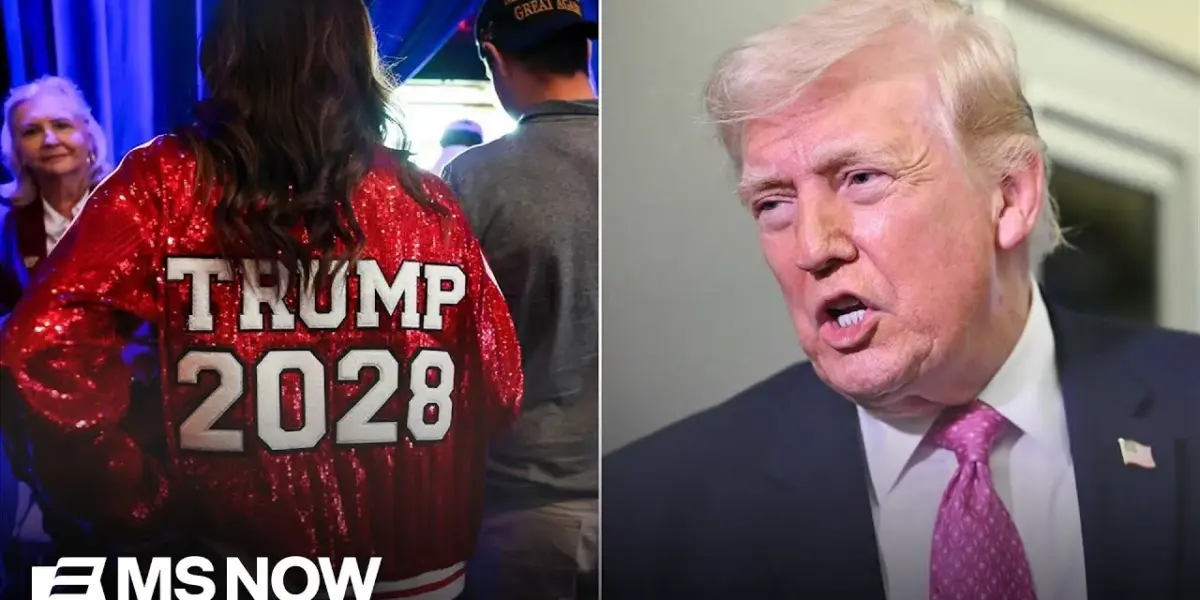
Health Movement’s Enduring Appeal Challenges MAGA’s Future
The Make America Healthy Again (MAHA) movement, a key force behind Donald Trump’s 2016 presidential victory, is showing signs of enduring beyond the broader MAGA coalition. New polling suggests nearly half of MAHA voters feel the current administration has not done enough to advance their goals, which include concerns about vaccines, pesticides, and food safety. This discontent highlights a potential opening for Democrats, as many of the issues important to MAHA supporters, such as disease prevention, stricter chemical regulation, and reproductive healthcare access, are more commonly championed by the Democratic party.
MAHA’s Core Issues Align with Democratic Platform
Politico’s analysis points to a significant overlap between MAHA’s priorities and the Democratic agenda. Topics like halting infectious diseases, regulating harmful chemicals, and expanding reproductive health services are central to Democratic messaging. However, experts note that while the policy alignment is clear, Democrats have struggled to capture the sentiment that energizes the MAHA movement. This sentiment often centers on a willingness to push back against powerful entities like Big Pharma and large corporations, a stance that many voters still associate more strongly with Republican figures, even within the MAHA movement.
“There is a sentiment attached to it that they haven’t been able to capture, and that’s the energizing thing, which is that they are willing to push back against Big Pharma and some of these big corporate interests.”
Robert F. Kennedy Jr.’s Continued Popularity
Despite policy shifts that may alienate some within the MAHA movement, Health Secretary Robert F. Kennedy Jr. remains a popular figure. His recent warm reception at CPAC underscores his ability to connect with a conservative audience. Analysts suggest his popularity stems from several factors: being an early advocate for these health concerns, maintaining personal relationships within the movement, and skillfully framing challenges. Kennedy often explains that deeply entrenched interests, similar to the ‘deep state’ narrative, make progress difficult, implying he is doing his best against overwhelming odds. His savvy communication, including appearances on platforms like Joe Rogan’s show, helps him stay connected to his base, even when addressing controversial topics like the use of glyphosate, a key concern for many MAHA supporters.
Glyphosate Controversy and Voter Sentiment
The decision to increase the use of glyphosate, a chemical widely criticized by the MAHA movement, has created significant frustration. This move, reportedly enabled by the Defense Production Act, is seen by many as a betrayal of the movement’s core principles. While some voters express anger towards the administration, many still give former President Trump credit, believing he is trying to navigate these complex issues. This nuanced reaction suggests that while the policy is unpopular, the perception of Trump’s intent differs from how Democrats might frame the situation. Experts believe Democrats could capitalize on this by demonstrating a more decisive stance, perhaps through executive orders, to show a clear commitment to the movement’s health and safety concerns.
The Fracturing of the MAGA Coalition
The broader MAGA movement is described as being in decline, functioning as a coalition of coalitions that may not survive beyond Donald Trump’s political influence. Recent events, such as the conflict in Iran, have exposed deeper fissures within the movement, particularly among younger voters. This discontent is leading some to embrace more extreme ideologies, including overt anti-Semitism, often referred to as becoming ‘J-pilled.’ Figures like Nick Fuentes are seen as influential in pushing some young voters in this direction. This presents a critical juncture for the political landscape, as these fractured groups will gravitate towards different ideologies.
An Opportunity for Democrats Amidst Division
While a segment of the MAGA movement appears to be moving towards extremism, another part is disengaging due to concerns about war and a rejection of violent or hateful ideologies. These voters, who may have supported Trump due to his anti-war stance, are not necessarily embracing radical views. This creates a crucial opportunity for Democrats. Beyond simply winning elections, the party has a chance to influence the trajectory of these voters, offering an alternative to extremist ideologies. The challenge lies in effectively reaching and galvanizing these individuals, providing a compelling reason to reject conspiracy theories and divisive politics in favor of a more constructive path forward.
Looking Ahead
The future of the MAHA movement and its influence on the broader political landscape remains a key area to watch. As the MAGA coalition continues to fragment, the ability of both parties to appeal to these shifting voter bases will be critical. The MAHA movement’s focus on health and environmental issues, coupled with the enduring popularity of figures like Robert F. Kennedy Jr., suggests it could indeed outlast the current political alignments, presenting both challenges and opportunities for the Democratic party in the years to come.
Source: "They are the one thing that is going to endure beyond MAGA": The current state of the MAHA movement (YouTube)

Related Articles

MAGA Movement’s Grip: Echoes of January 6th Persist
Audio from January 6th reveals a disturbing justification for the actions of Ashli Babbitt, highlighting the persistent and troubling narratives within parts of the MAGA movement. This mindset continues to pose challenges to democratic norms.
Trump’s War Focus Alienates MAGA Base, Fuels Protests
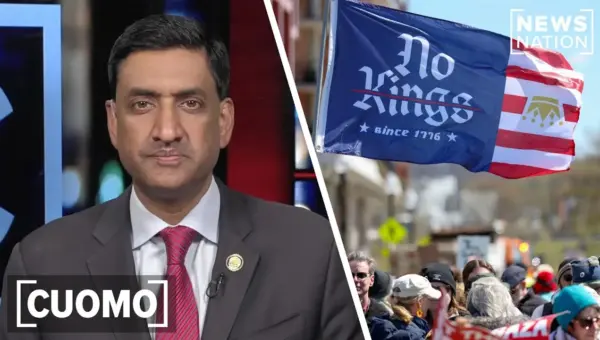
Frustration is mounting as President Trump's focus on foreign wars clashes with domestic needs and promises to his MAGA base. Protests like 'No Kings' highlight public anger over war spending, rising costs, and neglected issues, while Democrats seek common ground on practical solutions.

Protests Against Trump Draw Diverse Crowd, Including Voters
Nationwide 'No Kings' protests targeted President Trump directly, drawing a diverse crowd including former supporters. The movement, fueled by a sense of civic duty and disillusionment, saw participation across all age groups. The protests highlight a unique shift in American dissent, focusing on an individual rather than specific policies.