Gas Prices Top $4 Nationally Amid Mideast Conflict
National gas prices have surged past the $4 per gallon mark for the first time since August 2022, driven by escalating conflict in the Middle East. Oil analysts warn that prices could climb higher and remain elevated for months due to supply chain disruptions. The crisis also threatens to increase diesel and food prices.

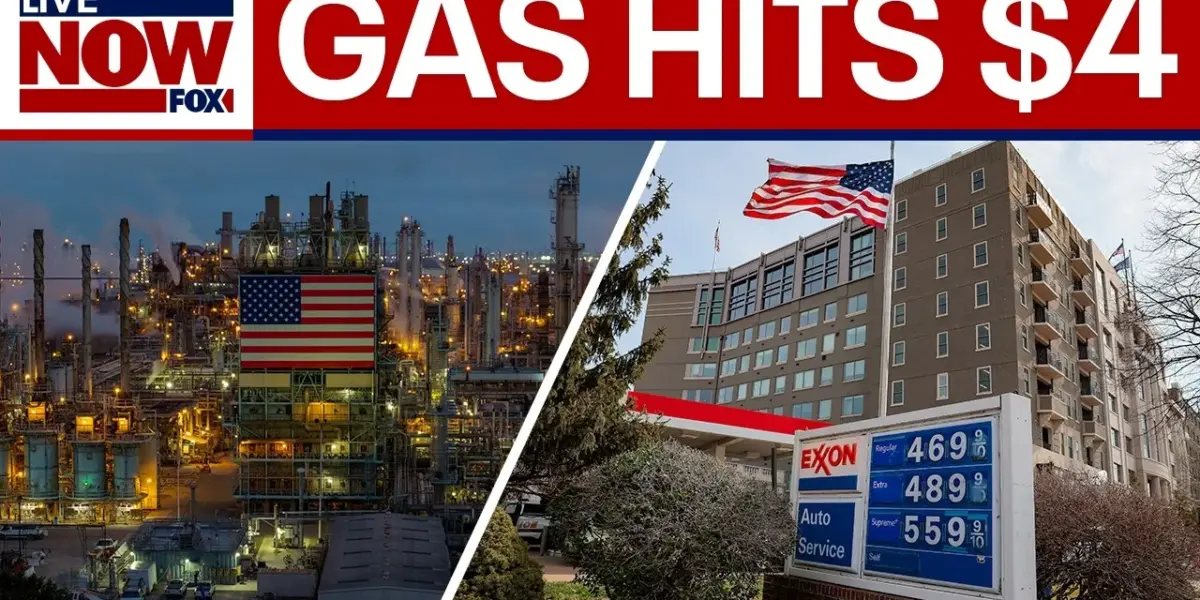
Gas Prices Surge Past $4 Per Gallon
Drivers across the United States are facing sticker shock at the pump once again. The national average price for gasoline has climbed to $4 per gallon, a level not seen since August 2022. This sharp increase comes as global tensions in the Middle East continue to escalate, impacting oil supply routes.
Conflict Drives Up Fuel Costs
Oil analyst Andrew Lipple explained that the ongoing conflict in the Middle East is the primary driver behind the rising gas prices. “Gasoline prices are going to continue to rise as the conflict drags on,” Lipple stated. The oil market is closely watching for any resolution that could reopen key shipping lanes, particularly the Strait of Hormuz. Disruptions in this vital waterway, along with Houthi attacks in the Red Sea, are creating significant supply chain issues.
Just a month ago, gas prices were a full dollar less. The current surge is the largest monthly increase in gas prices ever recorded by Gas Buddy, with the average rising $1.59 per gallon. This rapid rise is causing concern for consumers nationwide, who are wondering if prices will continue to climb or begin to fall.
Future Price Predictions Uncertain
Lipple offered a grim outlook for the near future. He predicts that national gas prices could reach $4.10 to $4.15 per gallon within the next few weeks. The duration of the conflict and its effect on oil production and transportation will determine how long these elevated prices will last. “The oil market is looking at this on a day-by-day basis,” Lipple noted. “And as the conflict drags on, we’re seeing a greater and greater disruption into the oil market, which means higher prices.”
Even if the conflict were to end immediately, Lipple warned that it would take weeks, and possibly months, to restore crude oil production and repair damaged energy infrastructure in the region. “If a refinery is damaged, it can’t produce gasoline, jet fuel, and diesel fuel for the consumer because it’s unable to process that crude oil,” he explained. This means the ripple effects of the current crisis could linger for an extended period.
Broader Economic Impacts Beyond Gasoline
The concerns extend beyond just gasoline prices. Lipple highlighted that diesel prices are also soaring, which has significant economic consequences. Diesel is the fuel used to transport most consumer goods and services. “Diesel prices have soared and those are impacting on the farmer,” Lipple said, especially as the agricultural planting season begins.
Furthermore, the rising cost of diesel, coupled with high fertilizer prices (also linked to Middle East supply), could lead to increased food prices. Consumers may soon see higher costs not only at the gas pump but also at the grocery store. “We can unfortunately see food prices rising,” Lipple cautioned. “And not only that, with the higher diesel prices, those food prices that are being delivered over the next week are going to go up in price.”
Potential for Rapid Price Drops
While the current outlook is challenging, Lipple suggested that a swift de-escalation of tensions in the Middle East could lead to a rapid decrease in oil and gas prices. “If we were to assume that peace was breaking out tomorrow, you would see a substantial decline in crude oil prices, probably to the tune of $20 a barrel,” he stated. This would translate to approximately a 50-cent drop per gallon of gasoline, with prices falling at retail locations almost immediately.
What to Watch Next
Attention remains focused on the geopolitical developments in the Middle East and their direct impact on global oil markets. Consumers will be closely monitoring AAA and Gas Buddy for daily updates on average gas prices. The ability of international powers to secure key shipping routes and the resilience of energy infrastructure will be critical factors in determining the trajectory of fuel costs in the coming months.
Source: National gas average hits $4 for first time since 2022 as Iran war continues (YouTube)

Related Articles


Middle East Conflict Sends Gas Prices Soaring Past $4
The national average gas price has surpassed $4 per gallon for the first time since 2022, driven by escalating conflict in the Middle East. Recent attacks on oil tankers and military strikes have heightened fears of energy supply disruptions, impacting consumers globally.


Trump Weighs War Crime Threat Over Iran Strait
President Trump is reportedly willing to accept the continued closure of the Strait of Hormuz, despite earlier threats, signaling a shift in U.S. demands. This comes as gas prices surge and markets react negatively to the ongoing conflict. Conflicting messages from within the administration fuel confusion about the war's objectives and exit strategy.


Trump’s Wealth vs. Biden’s Economy: A Stark Contrast?
A debate contrasts Donald Trump's reported crypto earnings with concerns over Biden's economy, including rising inflation and gas prices. The discussion critically examines proposed fiscal policies and their impact on national debt and social programs.