Arab Allies Push Trump for Iran Invasion, Demand Payments
Several Arab nations are reportedly pressuring President Trump to launch a ground invasion of Iran, threatening their alliances if U.S. forces withdraw without decisive action. This comes as Iran asserts control over the Strait of Hormuz and retaliates against regional targets, while the U.S. appears to be shifting its strategy away from reopening the vital waterway.

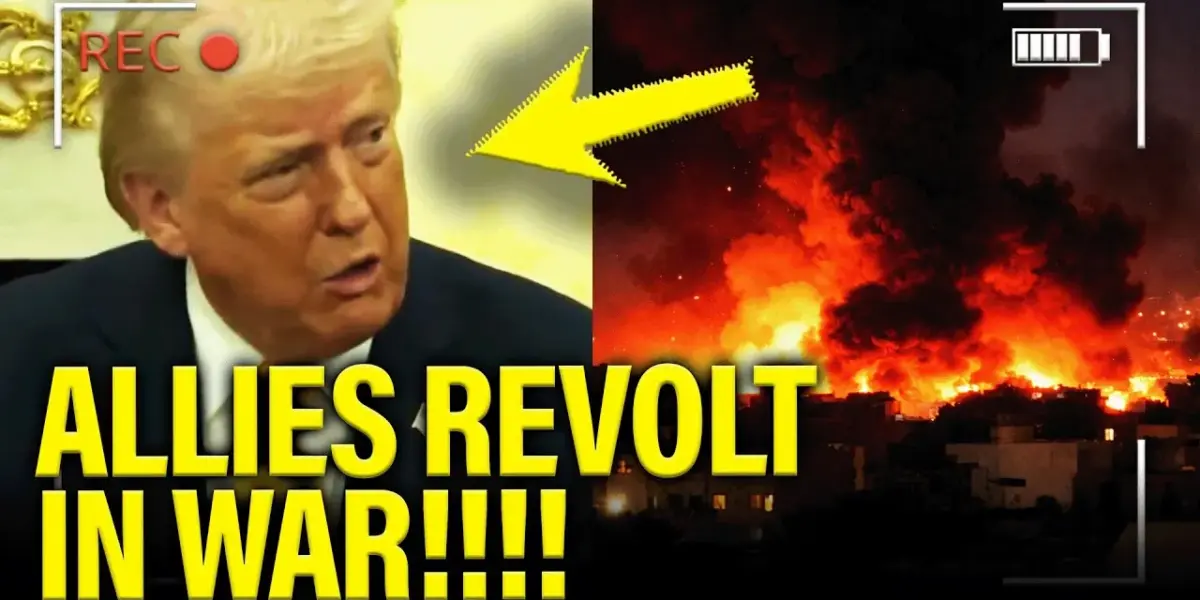
Arab Nations Demand Iran Invasion, Threaten U.S. Alliance
Reports indicate a growing tension between the United States and some of its Arab allies. Several Arab nations, reportedly allied with the U.S., are pushing for American forces to invade Iran. These allies are expressing concern that if U.S. troops leave the region without defeating Iran, and Iran remains strong, their own security will be greatly threatened. They believe the security promised by the United States would then be gone.
Sources suggest these Arab nations are signaling a shift in their alliances, stating that the current agreements, described as “pay-for-play schemes,” are over. This pressure comes as the United Arab Emirates, with support from Bahrain, Kuwait, and Saudi Arabia, is reportedly urging President Trump to order a ground invasion of Iran. However, these same nations are not expected to provide their own ground forces for such an operation.
Iran’s Actions Fuel Regional Instability
Private conversations with diplomatic officials, as reported by the Associated Press, reveal that many Gulf allies of the U.S. want the current military operations to continue until there are major changes in Iran’s leadership or behavior. This demand follows a series of recent incidents attributed to Iran. These include an oil tanker being hit off the coast of Dubai, significant damage to infrastructure in Kuwait, and continued strikes in Israel, Bahrain, and Saudi Arabia, targeting critical infrastructure and military bases.
In response to these actions, the White House has indicated a plan to have Arab nations pay for the ongoing military efforts. This statement comes amid reports that the U.S. and Israel have conducted strikes on an area in Isfahan, believed to be a ballistic missile depot. Meanwhile, Iran’s parliament has approved a bill to impose fees on ships transiting the Strait of Hormuz, with a proposed toll of at least $2 million per vessel.
Shifting U.S. Strategy and Iran’s Stance
Despite statements from President Trump suggesting Iran has been completely defeated, the Iranian parliament has formally passed legislation to control the Strait of Hormuz. The speaker of the Iranian parliament, Mohammad Bagher Ghalibaf, has publicly stated that Iran’s enemies are mistaken if they believe they can threaten the nation without consequences. He warned of strong retaliation for any strikes.
Iran’s foreign ministry has also denied any direct negotiations with the U.S., calling American demands “excessive, unrealistic, and illogical.” They have stated that they will not agree to any deal unless their conditions are met. These conditions include receiving reparations, maintaining control over the Strait of Hormuz, not reducing their missile and drone capabilities, and securing guarantees for their regional proxies.
Senator Marco Rubio has outlined what appear to be U.S. military objectives, including the destruction of Iran’s air force and navy, and significant reduction of its missile capabilities and factories. However, the transcript notes that this objective list does not include Iran’s nuclear capabilities. A shift in U.S. language is also being observed, with reports suggesting President Trump is willing to end the current conflict without reopening the Strait of Hormuz. This approach would effectively leave control of the vital waterway to Iran.
Economic and Geopolitical Concerns
U.S. officials reportedly believe that a direct mission to reopen the Strait of Hormuz would prolong the war beyond the initially stated timeline. The strategy appears to be shifting towards degrading Iran’s military capabilities while winding down active operations. Simultaneously, Iran is moving to formalize its control over the Strait of Hormuz through a new tolling system, with Oman potentially assisting in establishing the legal framework. This involvement of Oman is notable, as they have previously acted as a mediator between the U.S. and Iran.
Economists are expressing concern about the war’s impact on global markets. The conflict is seen as triggering both price and demand shocks, potentially leading to an energy shock, inflation, and reduced demand. There are fears of actual physical shortages, particularly in Asia, which could increase the risk of financial instability if the conflict continues.
Amidst these geopolitical developments, reports have surfaced regarding a defense-focused fund inquiry by an individual connected to the U.S. Secretary of Defense, Pete Buttigieg. The Pentagon has denied these claims as fabricated. Meanwhile, gas prices have surpassed $4 a gallon nationally, with U.S. oil prices surging significantly.
Why This Matters
The situation highlights a complex web of geopolitical interests and escalating tensions in the Middle East. The demands from Arab allies for a U.S. invasion of Iran, coupled with their reluctance to commit their own forces, reveal a strategic dilemma for the United States. The potential for Iran to solidify control over the Strait of Hormuz, a critical global shipping lane, carries significant economic implications for international trade and energy prices. The differing objectives between U.S. allies, the U.S. administration, and Iran itself suggest a volatile and unpredictable future for the region. The economic fallout, including rising oil prices and inflation, directly impacts global economies and consumers.
Implications, Trends, and Future Outlook
The ongoing conflict and shifting alliances point to a potential realignment of power in the Middle East. The U.S. appears to be reassessing its military commitments and seeking ways to de-escalate while managing the demands of its allies. Iran, on the other hand, seems determined to assert its regional influence and control over strategic waterways. The trend suggests a prolonged period of instability, with potential for proxy conflicts and economic disruption. The future outlook involves navigating these complex dynamics, with a focus on diplomatic solutions, managing energy security, and preventing further escalation.
Historical Context and Background
Tensions between the U.S. and Iran have a long history, marked by events such as the 1953 coup, the 1979 Islamic Revolution, and the subsequent hostage crisis. The U.S. has historically sought to counter Iran’s influence in the region, often through alliances with Gulf Arab states. The Strait of Hormuz has long been a strategic chokepoint, with past incidents raising concerns about freedom of navigation and global oil supplies. Recent years have seen increased U.S.-Iran confrontation, including sanctions, cyberattacks, and military standoffs, making the current situation a continuation of these long-standing rivalries.
Source: Trump PANICS as ARAB ALLIES THREATEN HIM in WAR!!! (YouTube)

Related Articles

Gulf Allies Urge Trump to Continue Iran Conflict
U.S. allies in the Persian Gulf are urging President Trump to intensify military action against Iran, believing Tehran has not been sufficiently weakened. The ongoing conflict raises concerns about regional stability and global energy prices, while questions linger about the administration's long-term strategy.

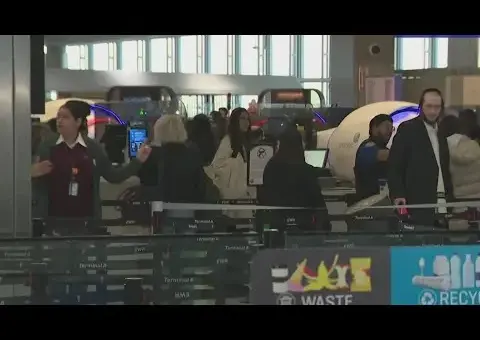
Jet Fuel Shockwaves: Airlines Warn of Fare Hikes, Flight Cuts
Rising jet fuel prices, driven by conflict in the Strait of Hormuz, are forcing airlines to warn travelers of higher fares and fewer flights. This comes as TSA lines ease, but worker pay remains uncertain, highlighting broader instability.


Middle East Conflict Sends Gas Prices Soaring Past $4
The national average gas price has surpassed $4 per gallon for the first time since 2022, driven by escalating conflict in the Middle East. Recent attacks on oil tankers and military strikes have heightened fears of energy supply disruptions, impacting consumers globally.