Spain’s Airspace Ban Sparks Fierce Debate on US Alliances
Spain's decision to close its airspace to U.S. operations sparks debate on NATO alliances and burden-sharing. Simultaneously, escalating U.S.-Iran tensions over the Strait of Hormuz raise concerns about global oil security and potential military conflict.

Spain’s Airspace Ban Sparks Fierce Debate on US Alliances
The United States is facing a significant diplomatic challenge as Spain, a NATO ally, has closed its airspace to U.S. planes involved in Operation Epic Fury. This move has triggered strong reactions, with some calling for sanctions and the closure of U.S. air bases in the region. The situation highlights growing tensions and questions about the future of international partnerships.
NATO’s Unequal Burden?
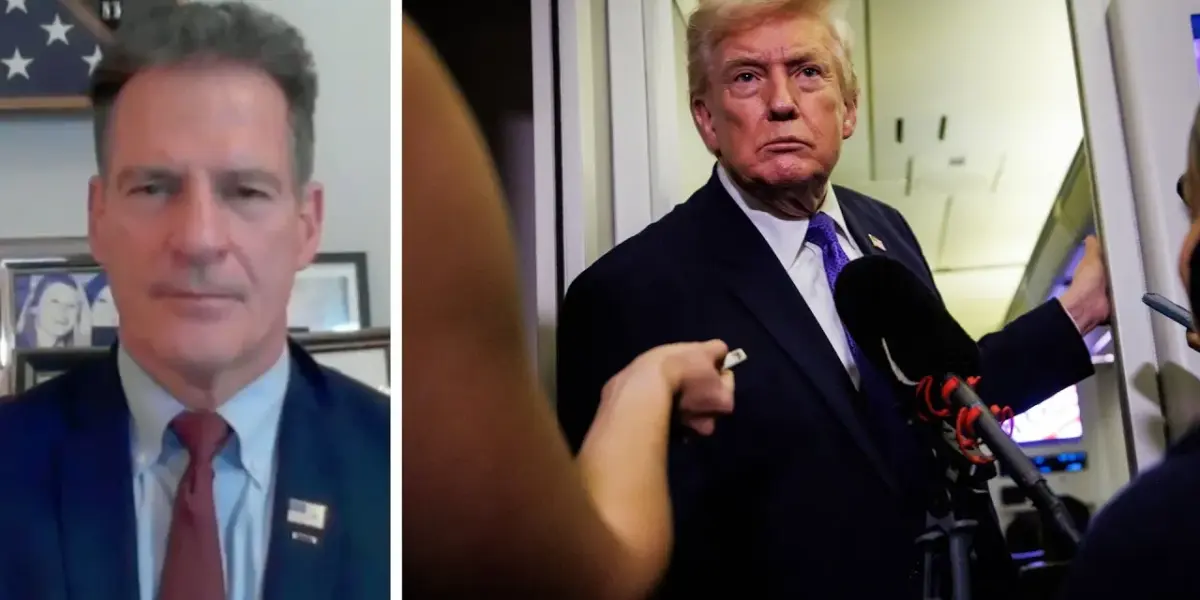
Former U.S. Senator and Ambassador to New Zealand, Scott Brown, offered a sharp critique of Spain’s decision. He suggested that some countries, including Spain, are not fulfilling their fair share of NATO obligations. This comes at a time when the U.S. is asking allies to increase their contributions, especially given potential conflicts in Eastern Europe. Brown emphasized that allies cannot selectively choose which missions to support, stating that such actions have consequences for long-standing relationships built on mutual support.
“Bottom line is, these actions have consequences and to think that we have long-standing relationships to make sure that we can actually address conflicts around the world at a moment’s notice. And to have one of our NATO allies say, ‘Oh, by the way, not this time.’ They can’t pick and choose what’s good for the mission.”
He indicated that economic pressure and trade restrictions could be potential responses. Brown also made it clear that when allies need help, the principle of reciprocity should apply.
Iran and the Strait of Hormuz: A High-Stakes Standoff
Meanwhile, the U.S. is also dealing with escalating tensions with Iran. Thousands of American paratroopers are arriving in the Middle East as President Trump issues new demands. Iran must reach a deal and reopen the Strait of Hormuz, a critical global oil shipping route. If not, the U.S. has threatened to “completely obliterate all of their electric generating plants, oil wells, and possibly all desalinization plants.”
Ambassador Brown described President Trump’s approach as a tactic to shake up adversaries, hoping they will come to the negotiating table. He pointed to Iran’s long history of problematic behavior, including supporting terrorism and posing threats in the region. However, Brown also expressed concern that targeting Iran’s infrastructure could harm the ordinary Iranian people, who he believes are suffering under a repressive regime. He advocated for diplomatic solutions and stressed the importance of a formal declaration of war before deploying troops, noting that many Americans are wary of engaging in another lengthy conflict like the one in Iraq.
A Strategic Choke Point
The Strait of Hormuz remains a central point of contention. It is a vital waterway through which a significant portion of the world’s oil passes. Recent safe transits by Chinese container ships through the strait raise questions about Iran’s potential influence and its allies. China’s willingness to deal with Iran and Venezuela for oil highlights the economic pressures at play. Brown suggested that allies in the region, along with countries like China, should take steps to ensure security and counter threats in the Strait. He believes that addressing this choke point directly is likely the path forward.
Cuba and Russia: A Complex Dance
In a separate but related development, the U.S. allowed a Russian oil tanker to reach Cuba. White House Press Secretary Caroline Levit stated this was to meet humanitarian needs and support the Cuban people. However, she also reiterated that Cuba’s economy requires significant political change to recover. Ambassador Brown viewed this move as a way to placate Russia somewhat while also aiding the Cuban population. He suggested that the U.S. should have considered delivering the oil itself, given Cuba’s proximity, rather than providing Russia with an opportunity to strengthen ties. Brown noted that Russia’s support for Iran and other actions make it an unreliable partner.
Why This Matters
The events surrounding Spain’s airspace ban and the escalating tensions with Iran underscore a period of significant geopolitical flux. The reliability of long-standing alliances is being tested, particularly within NATO, as the U.S. seeks greater burden-sharing. Simultaneously, the confrontation with Iran over the Strait of Hormuz highlights the ongoing challenges of maintaining global stability and securing vital energy supplies. The U.S. is grappling with how to exert pressure on adversaries like Iran without causing broader humanitarian crises or triggering wider conflicts. The complex relationship with Russia, as seen in the Cuba oil situation, further complicates the international landscape. These developments suggest a potential shift in how global powers interact, with a greater emphasis on strategic positioning and the potential for increased economic and diplomatic pressure.
Implications and Future Outlook
Spain’s decision could set a precedent, potentially encouraging other European nations to reassess their commitments to U.S.-led operations. This could weaken NATO’s cohesion at a critical juncture. Regarding Iran, the U.S. faces a delicate balancing act. A forceful military response could lead to wider regional conflict, while a lack of decisive action might embolden Iran. The focus on the Strait of Hormuz indicates a strategic effort to control a vital global chokepoint. The U.S. may seek to build a coalition of nations to ensure freedom of navigation and deter Iranian aggression. The situation with Cuba and Russia suggests that even amidst broader geopolitical competition, humanitarian concerns and strategic maneuvering continue to shape international actions. The coming months will likely see continued diplomatic efforts, potential economic sanctions, and the careful calibration of military readiness as the U.S. navigates these complex challenges.
Historical Context
The current situation echoes past diplomatic and military standoffs. Spain’s history with the U.S. has seen periods of close alliance and moments of strain, often tied to broader European security concerns. The U.S. military presence in Europe, a cornerstone of post-World War II security, is now facing renewed scrutiny. The confrontation with Iran has roots in the 1979 revolution, the subsequent hostage crisis, and ongoing disputes over Iran’s nuclear program and regional activities. The strategic importance of the Strait of Hormuz has been a recurring flashpoint for decades, with various administrations seeking to ensure its stability. The U.S. involvement in the Middle East, particularly in the context of potential conflicts with Iran, brings to mind the lengthy and costly engagements in Iraq and Afghanistan, shaping public opinion and political discourse around military intervention.
Source: Years of Cajoling and Paying Iran off Are Over, President Trump Has Drawn a Line in the Sand (YouTube)

Related Articles
US Strikes Iran, Escalates Nuclear Fight
U.S. forces have reportedly struck a key Iranian city linked to its nuclear and missile programs, escalating tensions. President Trump's administration is increasing military pressure while also pursuing diplomatic talks, creating a complex geopolitical situation.
US Troops Show Unwavering Resolve in Fight Against Iran
U.S. troops on Operation Epic Fury exhibit remarkable unity, competence, and urgency in their mission against Iran. Facing challenges with innovation and determination, they prioritize finishing the fight for future generations. The operations aim to degrade Iran's military capabilities and prevent nuclear proliferation, signaling a decisive period ahead.

Gulf Allies Urge Trump to Continue Iran Conflict
U.S. allies in the Persian Gulf are urging President Trump to intensify military action against Iran, believing Tehran has not been sufficiently weakened. The ongoing conflict raises concerns about regional stability and global energy prices, while questions linger about the administration's long-term strategy.