Iran’s ‘Eastern Warfare’ Strategy Tests US Patience
Iran's long-term strategic approach, termed 'Eastern warfare,' challenges traditional Western negotiation tactics. While talks continue, understanding Iran's centuries-old goals is key to navigating regional stability. The US faces the complex task of managing Iran's military capabilities and regional influence.

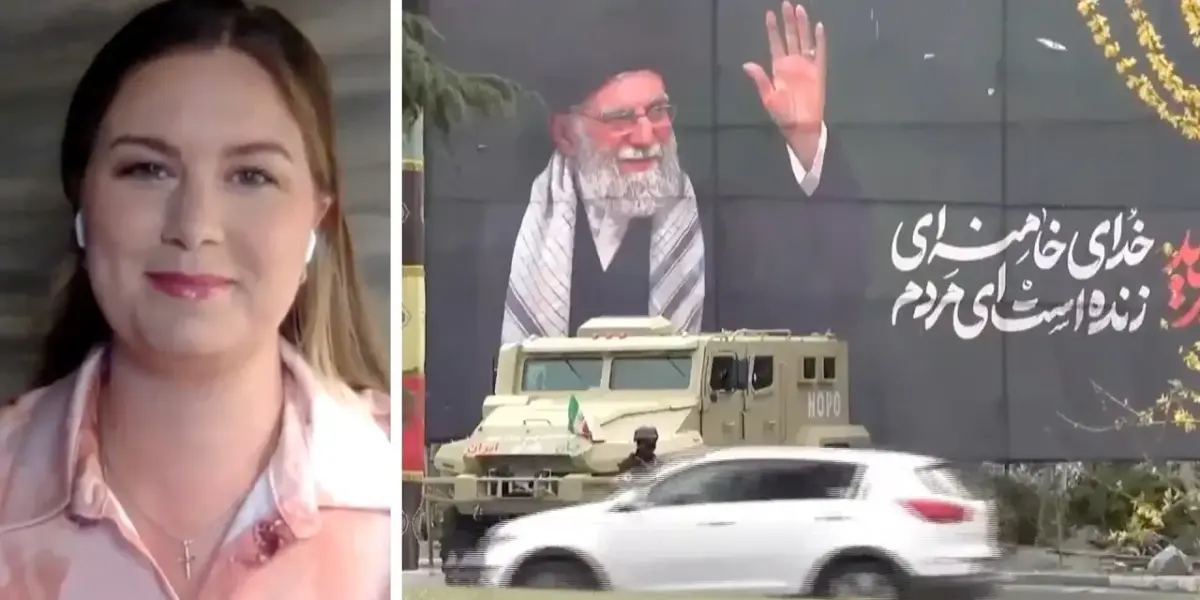
Iran’s ‘Eastern Warfare’ Strategy Tests US Patience
As American troops arrive in the Middle East, official statements suggest that negotiations with Iran are ongoing. The White House has indicated that some Iranian leaders are eager to reach a deal before their options run out. However, understanding Iran’s approach to these talks requires looking beyond immediate concerns and recognizing a long-term strategic mindset, often described as ‘Eastern warfare.’ This perspective contrasts sharply with the West’s more immediate focus on short-term gains.
Taylor Hawthorne, a visiting fellow at the Independent Women’s Forum, shared insights on this complex situation. She explained that Iran’s radical ideology and willingness to suppress its own citizens suggest a deep-seated commitment to its goals. This is why, she believes, direct negotiation might not yield lasting solutions. Hawthorne pointed to Iran’s decision to allow children as young as 12 to join the Islamic Revolutionary Guard Corps (IRGC) as a sign of the regime’s potential desperation. This move could indicate they are re-evaluating their long-term strategy.
The ‘Long Game’ of Eastern Warfare
Hawthorne emphasized that a key element often missed by the United States and its allies is Iran’s adherence to a concept of ‘Eastern warfare.’ This strategy focuses on achieving objectives over hundreds of years, not just months or a year. It’s a patient, methodical approach to advancing their interests on a global scale. Understanding this deep-seated, long-term perspective is crucial for anyone attempting to negotiate with Iran.
The United States, in contrast, often approaches international relations and conflict with a shorter time horizon. This difference in perspective can lead to misunderstandings and miscalculations. Hawthorne suggested that while any agreement might provide temporary safety, perhaps for five or ten years, it may not fundamentally alter Iran’s long-term ambitions.
Strait of Hormuz and Shifting Power Dynamics
The Strait of Hormuz, a vital waterway for global oil transport, remains a significant point of discussion. While the US possesses the capability to control the strait, the decision involves weighing potential concessions and sacrifices. The American public’s desire to avoid mass casualties and prolonged conflict in the Middle East heavily influences these decisions. The administration is carefully assessing what Iran is willing to offer in return for concessions.
Hawthorne cautioned against quickly trusting any perceived shift in Iranian leadership. She noted that even new figures may be connected to individuals who have a history of oppressing citizens and supporting terrorist activities through proxies. This suggests that the underlying system and its goals may not have fundamentally changed, despite potential new faces at the negotiating table.
Assessing Iran’s Military Capabilities
Following military actions like Operation Epic Fury, the effectiveness of Iran’s defense capabilities is a critical question. While the White House claims Iran’s navy is combat ineffective, concerns remain about its ability to rearm. Iran’s continued development of drones, cruise missiles, and intercontinental ballistic missiles (ICBMs) is a major worry. Drones, in particular, are noted as being cheap to produce and difficult to track, with China reportedly supplying crucial components.
Hawthorne acknowledged that determining the precise extent of damage to Iran’s military capabilities is complex and requires expert analysis. However, she stressed the importance of evaluating the risk versus reward in any negotiation. Given Iran’s history of generating revenue through various means, including oil sales and ransomware attacks, achieving a complete disarmament is unlikely. The focus, therefore, must be on managing and limiting their capabilities to an acceptable level.
Regional Alliances and Future Outlook
Hawthorne highlighted the importance of considering the perspectives of regional allies, such as Saudi Arabia and the United Arab Emirates. Their cooperation and shared strategies are vital for containing Iran’s influence. Leaders from these nations, along with Turkey, recently met to discuss regional security, signaling a united front against destabilizing forces.
The United States, being geographically isolated, may not always feel the immediate threat posed by Iran. However, the potential for catastrophic attacks, akin to 9/11, remains a serious concern. The current administration’s efforts are aimed at preventing such an event. The challenge lies in controlling adversaries’ actions while ensuring the safety of American citizens.
Turkey’s Complex Role
Turkey’s position in the region presents another layer of complexity. As a NATO member with a significant military, its stance on Iran is closely watched. While Turkey maintains a relationship with the US, it also has its own interests and has shown some sympathy towards Iran in the past. Hawthorne believes Turkey is currently navigating a delicate balance, assessing the outcomes of regional conflicts without alienating key players.
Despite potential diplomatic overtures, Iran’s actions, including missile launches that have impacted NATO forces, mean Turkey cannot ignore the threat posed by Iran. Hawthorne suggested that Turkey will eventually need to make a clearer choice regarding its alliances. Its participation in meetings with Saudi Arabia indicates a leaning towards GCC nations, but stronger action against Iran’s financial support networks for proxies is also necessary.
Why This Matters
The ongoing situation with Iran underscores a fundamental difference in strategic thinking between Eastern and Western powers. Iran’s long-term approach to achieving its goals, contrasted with the West’s often shorter-term focus, creates a challenging dynamic for diplomacy and conflict resolution. Understanding this ‘Eastern warfare’ mindset is crucial for developing effective strategies that can ensure regional stability and protect national interests. The ability of the US and its allies to manage Iran’s capabilities, maintain regional partnerships, and anticipate future threats will determine the long-term security landscape of the Middle East and beyond.
Source: Iran Has Eastern Warfare, Playing Long Game to Achieve Goals: Fellow, Independent Women's Forum (YouTube)

Related Articles


Gulf Allies Urge Trump to Continue Iran Conflict
U.S. allies in the Persian Gulf are urging President Trump to intensify military action against Iran, believing Tehran has not been sufficiently weakened. The ongoing conflict raises concerns about regional stability and global energy prices, while questions linger about the administration's long-term strategy.


Middle East Conflict Sends Gas Prices Soaring Past $4
The national average gas price has surpassed $4 per gallon for the first time since 2022, driven by escalating conflict in the Middle East. Recent attacks on oil tankers and military strikes have heightened fears of energy supply disruptions, impacting consumers globally.
US Weighs Troop Deployment Amid Iran Deal Push
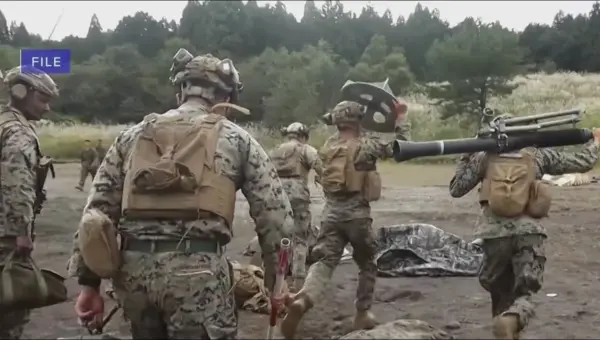
The U.S. is considering deploying ground troops to Iran while simultaneously pushing for a diplomatic deal to reopen the Strait of Hormuz. Air strikes are ongoing as President Trump increases pressure on Iran.