US Considers Draft Amid Rising Global Tensions
The U.S. administration has not ruled out reinstating the military draft, sparking widespread discussion and concern. This potential policy shift echoes historical periods of conscription and raises questions about national service and global engagement.

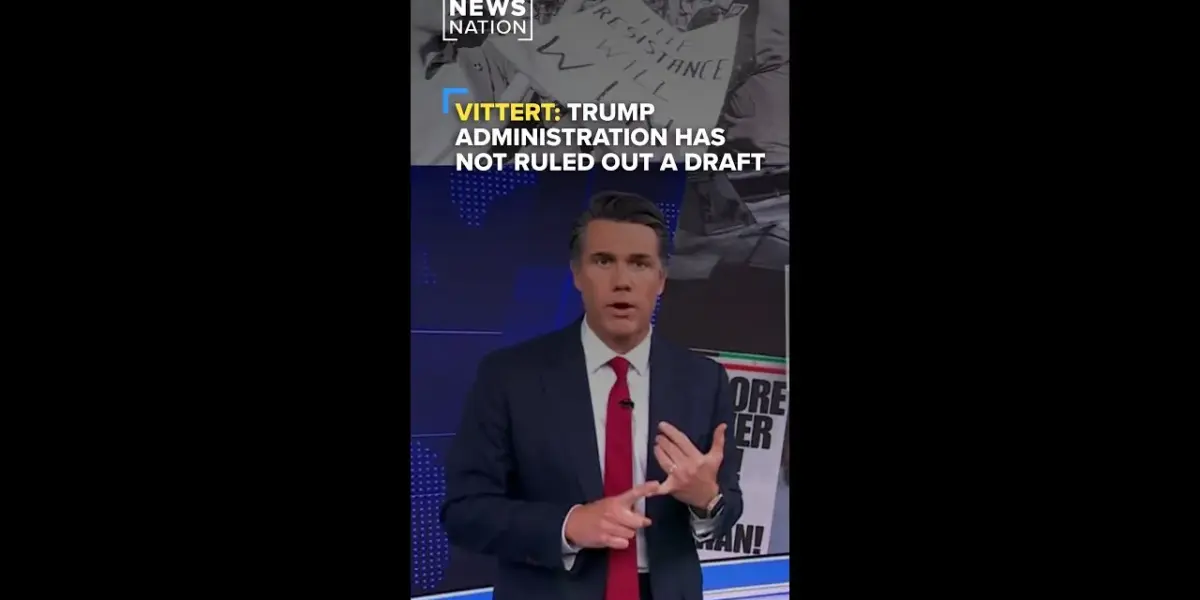
US Considers Draft Amid Rising Global Tensions
The possibility of reinstating a military draft in the United States has emerged as a significant point of discussion, fueled by growing concerns over international conflicts. This idea, once confined to historical memory, is now being openly debated, raising questions about national service and the nation’s readiness for prolonged military engagement.
The conversation gained traction following remarks from individuals expressing worry about potential U.S. involvement in extended conflicts, specifically mentioning the war with Iran. A dentist, while preparing for a procedure, shared his college-aged son’s anxiety about a potential draft. This concern highlights a generational awareness of military conscription and its implications, a topic largely absent from public discourse for decades.
Historical Echoes of Conscription
The concept of a military draft in the U.S. brings to mind periods of significant national upheaval, such as the Vietnam War era. Those times were marked by widespread protests, social unrest, and deep divisions within American society regarding military policy and foreign interventions. The current discussions, while not yet mirroring that level of public outcry, touch upon similar anxieties about the government’s power to compel military service.
Historically, the draft has been a tool used during major conflicts to ensure sufficient military personnel. Its reintroduction would signify a profound shift in American defense policy and could have wide-ranging social and economic consequences. The very mention of a draft can evoke strong emotions and memories of past national mobilization efforts.
The Trump Administration’s Stance
Crucially, the Trump administration has not officially ruled out the possibility of a draft. This statement from the administration, or the lack of a definitive denial, has allowed the conversation to gain momentum. While not an endorsement, this ambiguity suggests that conscription remains on the table as a potential option in certain strategic scenarios.
The administration’s approach to foreign policy has often been characterized by a willingness to challenge established norms and alliances. Whether this extends to reconsidering conscription policies remains a subject of intense speculation and debate among foreign policy experts and the general public alike.
Motivations and Concerns
The underlying reasons for even considering a draft are complex. They likely stem from a perceived need for a larger, more readily available military force to address escalating global threats. In an era of complex geopolitical challenges and potential prolonged conflicts, maintaining a volunteer force might be seen as insufficient by some policymakers.
However, the concerns surrounding a draft are equally significant. Critics point to the potential for social disruption, the moral implications of involuntary service, and the economic impact on young people whose education or career paths could be interrupted. The historical precedent of public opposition to the draft also suggests that its reintroduction could face significant resistance.
Global Impact
The potential return of the draft in the U.S. could have significant global implications. It might signal an increased willingness by the United States to engage in prolonged military operations, potentially altering the strategic calculations of other nations. Allies might see it as a sign of American commitment, while adversaries could interpret it as a sign of escalating intentions.
Furthermore, the economic and social effects within the U.S. could indirectly impact its international standing and its ability to project power. A society grappling with the implications of conscription might face internal divisions that could affect its foreign policy decisions and its capacity to lead on the global stage.
Future Scenarios
Several future scenarios could lead to the reintroduction of a draft. A major, large-scale conflict requiring a significant surge in personnel would be the most direct catalyst. Alternatively, a gradual escalation of smaller conflicts, coupled with a perceived decline in voluntary enlistment, could also push policymakers toward conscription.
However, the political and social hurdles are immense. The American public has grown accustomed to a volunteer military, and any move toward a draft would likely face substantial opposition. The technological advancements in warfare might also render traditional conscription less effective than in past eras, favoring specialized skills over sheer numbers.
The ongoing debate over the draft underscores a critical moment in American defense policy. It reflects deeper anxieties about the nation’s role in a turbulent world and the willingness of its citizens to bear the burdens of national security.
Source: Vittert: The Trump administration has not ruled out a draft | On Balance (YouTube)

Related Articles

Gulf Allies Urge Trump to Continue Iran Conflict
U.S. allies in the Persian Gulf are urging President Trump to intensify military action against Iran, believing Tehran has not been sufficiently weakened. The ongoing conflict raises concerns about regional stability and global energy prices, while questions linger about the administration's long-term strategy.

Middle East Conflict Sends Gas Prices Soaring Past $4
The national average gas price has surpassed $4 per gallon for the first time since 2022, driven by escalating conflict in the Middle East. Recent attacks on oil tankers and military strikes have heightened fears of energy supply disruptions, impacting consumers globally.
US Weighs Troop Deployment Amid Iran Deal Push
The U.S. is considering deploying ground troops to Iran while simultaneously pushing for a diplomatic deal to reopen the Strait of Hormuz. Air strikes are ongoing as President Trump increases pressure on Iran.