Young MAGA Voters Question Trump on Iran War Ahead of Midterms
Young MAGA voters are expressing growing disillusionment with President Trump over his administration's approach to a potential Iran war. Concerns about broken promises and a lack of clear objectives are creating a generational divide within the GOP, potentially impacting future elections.


Young MAGA Voters Express Disillusionment with Trump Over Iran War
A growing number of young voters within the MAGA movement are voicing their disappointment with President Trump, particularly concerning his administration’s stance on a potential war with Iran. This discontent, fueled by a perceived lack of clear objectives and broken promises, is highlighting a generational divide within the Republican Party and raising concerns about its future electoral success.
Joseph Bollick, a 30-year-old veteran attending the recent CPAC conference, told Politico that he feels misled by the President. “He’s lied about everything,” Bollick stated. “If you go into a war where there’s no endgame, how is it going to end? There’s no clear objective.” This sentiment reflects a broader feeling among some young conservatives that the administration’s foreign policy actions contradict the “America First” and anti-war promises made during Trump’s campaign.
Concerns About the GOP’s Future and the “Manosphere”
This wartime alienation among young conservatives is not an isolated incident but rather a symptom of a larger generational rift within the Republican Party. Samantha The Castle, a 27-year-old Republican strategist, shared her concerns with The New York Times, stating, “I think that MAGA is dying. I do.” Her observation comes as several prominent figures within the conservative movement have publicly expressed worries about current trends.
Podcasts popular within certain segments of the young male conservative demographic, often referred to as the “manosphere,” have been vocal about their disillusionment. Hosts on the Manasphere Podcast expressed feelings of betrayal, noting that Trump ran on a platform of “no more wars” and opposing “stupid, senseless wars.” They articulated a belief that a “war machine” is being served at the expense of soldiers and national priorities.
“It feels like there’s this war machine and then our soldiers are put into these spaces and they’re just there to serve an America that they believe in,” one podcast host explained. “It just feels like it’s causing a lot of pain and fear.” The sentiment is that many Americans are more concerned with domestic issues, such as the rising cost of healthcare, than with foreign conflicts like one in Iran.
Broken Promises and Financial Burdens
Critics argue that the Trump administration was “stupid enough” to be manipulated into pursuing a conflict by forces that have long advocated for military action against Iran. “They’ve been trying to get America to do this forever,” one commentator suggested, implying that the current administration was susceptible to these pressures. This perspective suggests that external influences and internal advisors with hawkish views have gained sway within the President’s circle.
This feeling of being “sold a bill of goods” is particularly potent for young voters who were promised economic relief and lower costs. The argument is that Trump’s policies, or the current economic climate, have not alleviated the financial burdens that many Americans, especially young families, feel. While the administration may have taken steps to address economic issues, for some voters, the looming threat of war and its potential financial and human costs overshadow these efforts.
The concern is amplified by the possibility of a military draft. “They’ve got young sons and daughters who, with the drum beat for a draft, could get caught up in this in some other way as well,” one observer noted, highlighting the personal stakes for families with young adults.
Erosion of Support and Midterm Implications
Recent polling data appears to support the notion of eroding support for President Trump among key demographics. A Fox News poll released recently indicated a decline in Trump’s approval numbers. This “erosion,” as described by analysts, is particularly evident in the concerns raised by figures like Andrew Schultz of the Manasphere Podcast, who noted that “nobody wants this war in Iran. They want health care.”
Beyond online commentary, the concerns are being voiced on the ground by young Republicans. The President of the Ohio College Republicans told Politico that Trump and the Republican Party face “major issues in the midterms in 2028 if we can’t wrap this up in a relatively quickly amount of time.” This direct feedback from campus leaders suggests that the current foreign policy direction is a significant concern for young voters who will be crucial in upcoming elections.
While it is unlikely that these disillusioned young men will switch their votes to Democrats in large numbers, their potential abstention from voting could significantly impact election outcomes. The 2024 election was won by a narrow margin, and even a small drop in turnout or enthusiasm among these voters could make a difference in closely contested races. This erosion of support could affect not only the upcoming midterms but also the broader political landscape in 2028.
Source: ‘He's lied’: Young MAGA voters sour on Trump's Iran war ahead of midterms (YouTube)

Related Articles

MAGA Movement’s Grip: Echoes of January 6th Persist
Audio from January 6th reveals a disturbing justification for the actions of Ashli Babbitt, highlighting the persistent and troubling narratives within parts of the MAGA movement. This mindset continues to pose challenges to democratic norms.
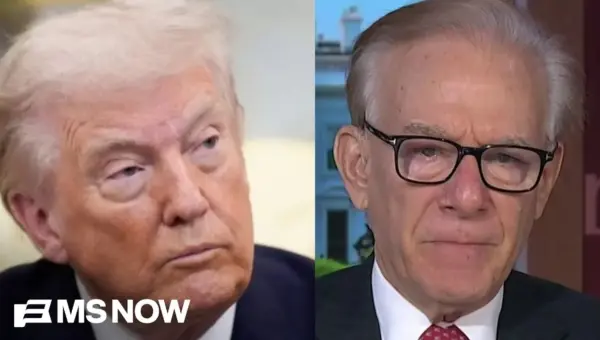
Trump Weighs War Crime Threat Over Iran Strait
President Trump is reportedly willing to accept the continued closure of the Strait of Hormuz, despite earlier threats, signaling a shift in U.S. demands. This comes as gas prices surge and markets react negatively to the ongoing conflict. Conflicting messages from within the administration fuel confusion about the war's objectives and exit strategy.

Trump’s Wealth vs. Biden’s Economy: A Stark Contrast?
A debate contrasts Donald Trump's reported crypto earnings with concerns over Biden's economy, including rising inflation and gas prices. The discussion critically examines proposed fiscal policies and their impact on national debt and social programs.