Beijing Fears Drones, Censors Skies for Leader’s Safety
China is implementing strict new drone regulations in Beijing, requiring permission for all outdoor flights and mandatory real-name registration. This move reflects deep security concerns, particularly for leader Xi Jinping, as drones become more prevalent in warfare and surveillance.

Beijing Fears Drones, Censors Skies for Leader’s Safety
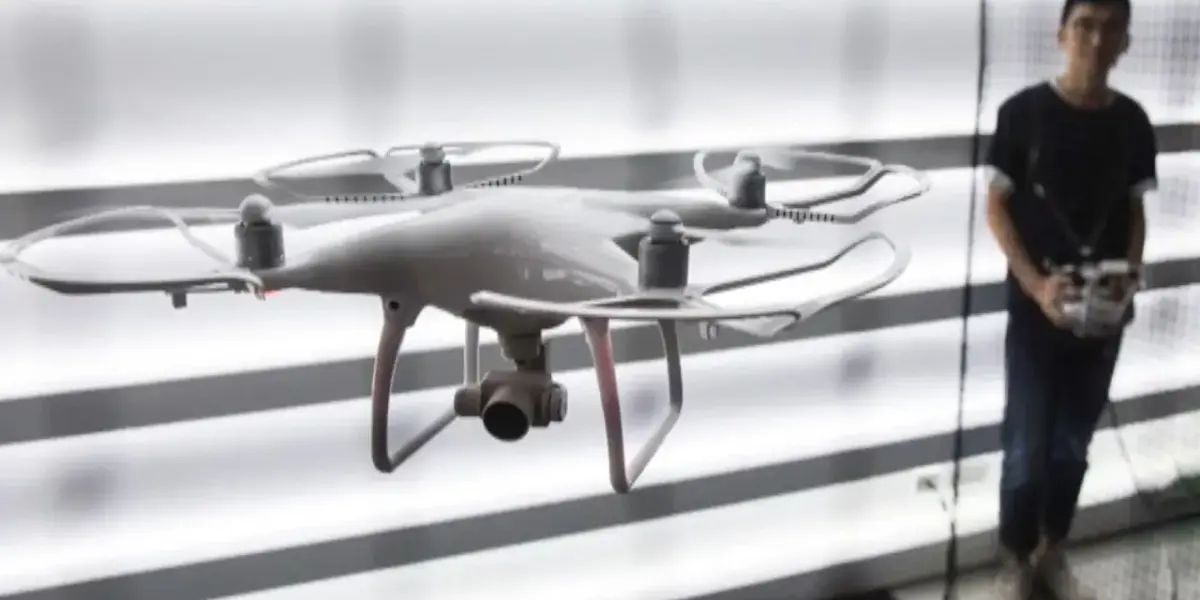
China has recently put new rules in place for flying drones in Beijing. Starting in May, anyone wanting to fly a drone outside in the capital city must get permission first. This is a big change. All drone owners in Beijing also have to register their real names with the government within the next month. They must also report where they keep their drones when not in use. The government is also limiting how many drones can be stored within 12 miles of Beijing’s center.
Why the New Drone Crackdown?
These strict new rules might seem surprising, but they point to deeper worries within China’s government. Experts suggest this is mainly about protecting China’s top leader, Xi Jinping. Drones have become a significant tool in modern warfare, and Beijing is taking no chances. Military analyst Shu Yun explained that Beijing is a very sensitive place for the Chinese government. It’s where Xi Jinping works and where many important government buildings are located.
This isn’t just about keeping air traffic safe, like in many other countries. China’s new drone rules are designed to stop drones from being used as weapons against leaders or government officials. The government wants to prevent any possibility of drones being used for attacks or spying in sensitive areas.
Drones in Modern Warfare
The concern over drones is understandable when you look at how they are used today. Drones have proven their worth in conflicts around the world. For example, in March, Iranian drones were used to attack the U.S. embassy in Saudi Arabia, causing a small fire. Last year, Ukraine used small drones effectively. They managed to hit many large military planes at Russian air bases.
Military experts also point out that drones are useful for gathering information. They can monitor areas that might be difficult to watch otherwise. Drones can often get past normal radar systems. Because they are small and can fly low to the ground, radar operators might mistake them for birds. This makes them hard to detect and track.
Historical Context
The idea of controlling flight for security reasons isn’t new. Governments have always been concerned about aerial threats. After World War I and II, nations developed air defense systems to protect cities and important sites. During the Cold War, there was a lot of focus on controlling airspace to prevent spying and potential attacks. Today, the threat has evolved with technology. Drones, once a hobbyist item, are now a serious concern for national security.
Broader Implications and Future Outlook
China’s strict approach to drone control in Beijing reflects a larger trend. Many countries are grappling with how to manage the growing use of drones. While some regulations focus on safety and privacy, China’s are clearly geared towards political security. This could lead to even tighter controls on technology that can be used for surveillance or disruption.
As drone technology continues to advance, becoming cheaper and more capable, governments worldwide will face similar challenges. We might see more countries adopting stricter registration and usage rules. The balance between allowing innovation and ensuring security will be a key issue. For China, the focus seems to be heavily on maintaining control and protecting its leadership from any perceived threat, including those that can fly.
Why This Matters
Beijing’s decision to tighten drone rules shows how seriously governments are taking the potential misuse of this technology. It highlights the growing connection between civilian technology and military or security concerns. For drone users in Beijing, it means less freedom. For the rest of the world, it’s a look at how authoritarian states are reacting to new threats. It raises questions about how privacy, security, and technological advancement will be managed in the future, especially in politically sensitive areas.
Source: China Tightens Drone Regulations in Beijing (YouTube)

Related Articles


Art Heist Exposes Security Gaps, Fuels Crime Concerns
A sophisticated $10 million art heist, executed with precise timing, reveals critical security vulnerabilities in high-value institutions. The thieves' focused approach and rapid exit despite alarms highlight the need for enhanced security and response strategies.

China’s New Voice: How a Detained Yale Grad Now Shapes US Discourse
A Canadian-Chinese YouTuber, Professor Jang, has rapidly gained traction in American discourse by predicting geopolitical events and criticizing the West. His rise, however, raises questions about his background and Beijing's sophisticated new strategy for influencing foreign opinion.
China Pushes Taiwan; US and Allies Push Back
China is increasing pressure on Taiwan, seeking unification through various means. The U.S. and its allies, particularly Japan, are strengthening ties and support for Taiwan's defense. Taiwan's crucial role in global chip manufacturing makes its security a matter of international concern.