Strait of Hormuz Blockade: Force May Be Only Option
The global economy is suffering as the vital Strait of Hormuz remains blocked, with Iran reportedly charging millions for passage. Experts warn that reopening the strait, possibly by force, presents immense dangers and high costs. Current mitigation efforts fall short, leaving the world facing a difficult choice.

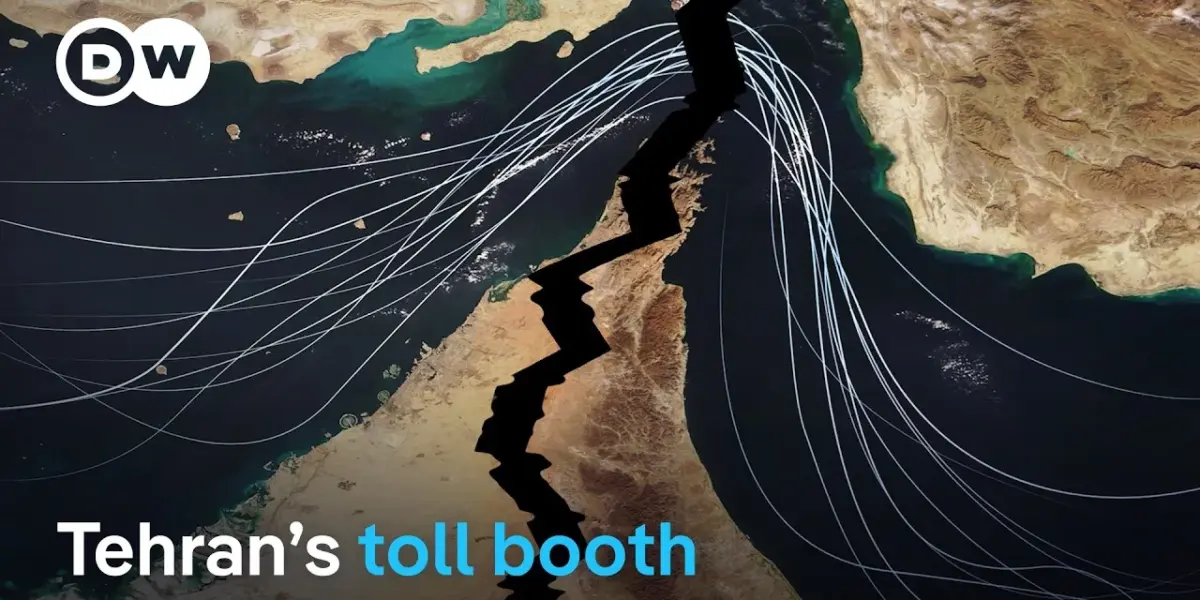
Global Economy Reels as Vital Shipping Lane Clogged
The world’s economy is facing serious trouble as a critical shipping route, the Strait of Hormuz, remains out of commission. This vital waterway, often described as a major conveyor belt for oil, gas, and other essential goods, has been effectively shut down. After just one month of disruption, the global economic impact is significant, raising urgent questions about how this crucial passage can be reopened.
Iran’s ‘Toll Booth’: Charging for Passage
The Strait of Hormuz, a narrow and shallow waterway, is uniquely positioned for control. Iran has leveraged this geography to its advantage, essentially operating what some are calling ‘Iran’s toll booth.’ Intelligence suggests Iran is charging vessels up to $2 million US per ship for safe passage. This practice highlights Iran’s ability to manipulate shipping traffic through the strait, especially in the context of ongoing conflict.
The Geography of Control
Security analyst Megan Suckliffe explains the strait’s unique characteristics. It is exceptionally narrow and shallow, making navigation tricky. Vessels must travel very close to Iran’s coastline through these shallow waters before turning into the Arabian Sea. This geography gives Iran significant leverage, allowing it to control the number of ships that pass and dictate terms for safe passage.
Iran’s Naval Capabilities: Conventional and Unconventional
While Iran may not possess a large conventional navy, it is believed to have significant non-conventional naval capabilities through its Islamic Revolutionary Guard Corps (IRGC). These forces often use small, fast ships to harass vessels, redirecting them into Iranian waters or ports. This asymmetric approach allows Iran to disrupt shipping without engaging in direct, large-scale naval warfare.
The Threat of Sea Mines
A significant concern is Iran’s arsenal of sea mines. Estimates suggest the IRGC produced at least 5,000 sea mines by 2018. While there is no public evidence of widespread mining in the Strait of Hormuz currently, Iran possesses the capability. The deployment of even a few sea mines could terrify vessel operators and insurers, causing shipping to halt due to safety concerns and the need for extensive demining operations.
US Options: Expensive and Risky Convoys
Reopening the strait safely presents a major challenge for the United States. Protecting commercial shipping would require substantial naval escorts. This would involve vessels to detect threats like missiles and drones, submarines to guard against underwater attacks, and support ships. However, providing such naval convoys is extremely expensive and complex. Larger convoys present bigger targets, and the cost of air defenses versus Iran’s cheap, mass-produced drones creates a difficult strategic balance.
Force: A Dangerous Gamble
With diplomacy seemingly stalled and the current situation unsustainable for most commercial vessels, the question of using force arises. However, launching an offensive campaign to reopen the Strait of Hormuz is fraught with danger. The analyst notes that the idea of reopening the strait rapidly, cheaply, and with low risk is unrealistic. Greater, more forceful action would be required, carrying potentially severe consequences.
Mitigation Efforts Fall Short
While some mitigation measures exist, such as increased oil and gas exports via alternative ports like Saudi Arabia’s Jeddah, these are not long-term solutions. Subsidized political risk insurance for vessels and naval convoys might slightly ease the situation, but they do not replace the need for open passage through the strait. The current status quo is clearly not working, and a fundamental change is needed.
What Comes Next?
The Strait of Hormuz blockade is more than just a military problem; it’s a high-stakes gamble in a volatile region. With Iran effectively controlling passage and tensions escalating, there are no easy answers. The world watches as the situation develops, with the potential for forceful action carrying significant risks and uncertain outcomes.
Source: Is force now the only option for reopening the Strait of Hormuz? | DW News (YouTube)

Related Articles


Gulf Allies Urge Trump to Continue Iran Conflict
U.S. allies in the Persian Gulf are urging President Trump to intensify military action against Iran, believing Tehran has not been sufficiently weakened. The ongoing conflict raises concerns about regional stability and global energy prices, while questions linger about the administration's long-term strategy.

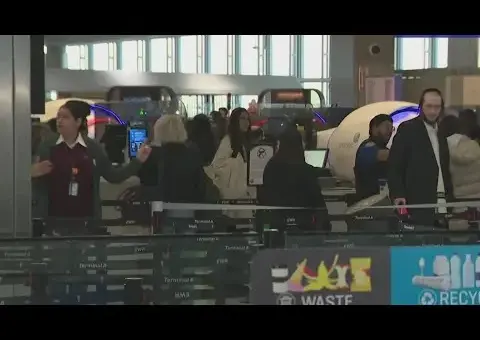
Jet Fuel Shockwaves: Airlines Warn of Fare Hikes, Flight Cuts
Rising jet fuel prices, driven by conflict in the Strait of Hormuz, are forcing airlines to warn travelers of higher fares and fewer flights. This comes as TSA lines ease, but worker pay remains uncertain, highlighting broader instability.
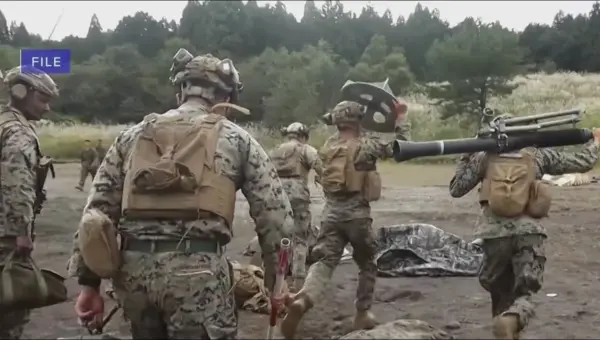
US Weighs Troop Deployment Amid Iran Deal Push
The U.S. is considering deploying ground troops to Iran while simultaneously pushing for a diplomatic deal to reopen the Strait of Hormuz. Air strikes are ongoing as President Trump increases pressure on Iran.