Billions in COVID Funds Stolen as Protections Were Disabled
Billions in COVID-19 relief funds were allegedly stolen as fraud protections were intentionally disabled by the Biden administration, according to Congressman Pat Fallon. These safeguards are now being reactivated under the Trump administration. The congressman cited political motivations and donor ties as potential reasons for the shutdown, highlighting a shift in organized crime towards less risky financial fraud.

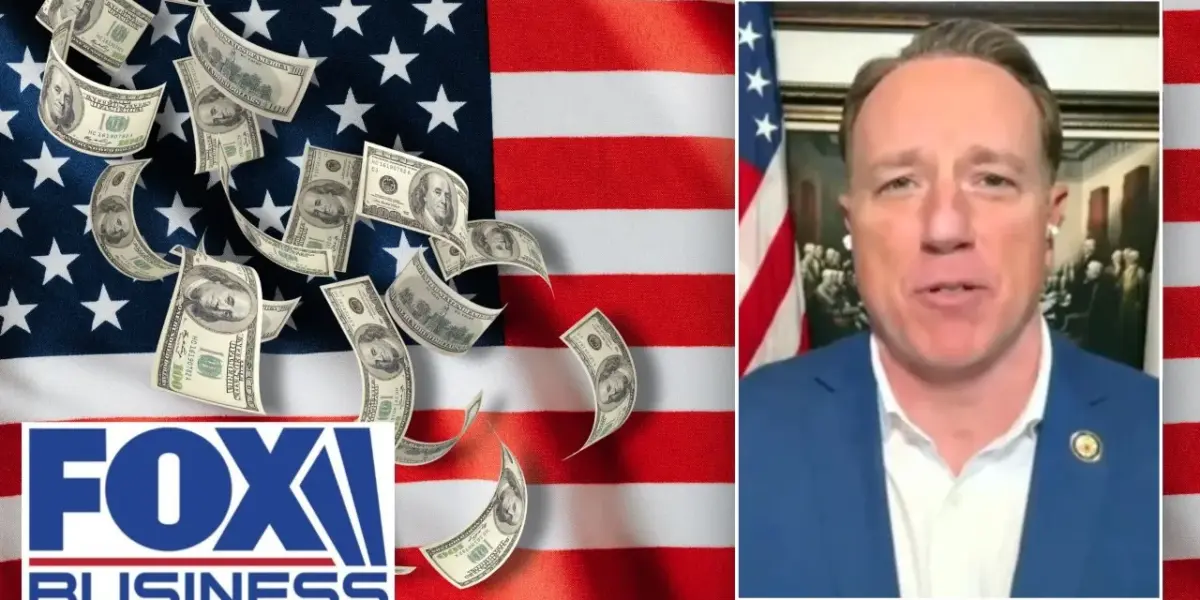
Billions Siphoned as COVID-19 Relief Safeguards Were Turned Off
Billions of taxpayer dollars meant for COVID-19 relief were stolen and spent on luxury items like boats, houses, and cars because key fraud protection systems were disabled. These systems, which were in place to prevent theft, were reportedly turned off by the Biden administration. Now, the Trump administration is working to reactivate them.
Allegations of Purposeful Shutdown
Andrew Ferguson, Vice Chair of the White House Fraud Task Force, stated that the Biden White House intentionally shut down fraud protections. This action allowed billions of dollars in COVID-19 spending to be stolen. The funds were allegedly used for personal gain, including purchases of boats, houses, and luxury cars, as well as travel.
Congressman Pat Fallon of the House Oversight Committee questioned why these systems, designed to stop thieves, would be deactivated. He suggested two main reasons for this decision.
Political and Donor Motivations Cited
First, Fallon believes the administration may have wanted to avoid the political fallout of having hundreds of millions of dollars stolen under their watch. Second, he pointed to potential conflicts of interest, suggesting that many individuals involved in the theft are donors to the Democratic Party. This creates what he described as an “incestuous” relationship, where stolen money could be channeled towards Democratic causes or candidates.
This raises serious questions about how taxpayer money is being managed and protected from misuse.
Widespread Fraud in Government Programs
The issue of stolen funds extends beyond COVID-19 relief. Congressman Fallon noted that he has seen significant overpayments to Non-Governmental Organizations (NGOs). Taxpayer money given to these organizations is sometimes used for purposes that are not permitted, which he called “ridiculous and silly.”
Furthermore, Fallon stated that he has known for a long time, even when he was in the statehouse, that a substantial portion of Medicaid spending involves fraud. He estimates that between 10% and 20% of all Medicaid spending may be fraudulent, amounting to hundreds of billions of dollars nationwide.
Organized Crime Shifts Focus to Financial Fraud
The Treasury Department has warned that transnational criminal groups are using illegal immigrants as fronts. These groups employ stolen identities and fake information to commit fraud. Banks have reported a 20% increase in suspicious activity reports since the Trump administration began highlighting this issue.
Congressman Fallon explained why organized crime might prefer financial fraud over traditional illegal activities. He highlighted that trafficking drugs like heroin carries risks of violence and long prison sentences, potentially up to 30 years or life. In contrast, stealing money from programs like Medicaid often results in civil penalties if caught, or the perpetrators can simply flee the country.
This lower risk and potential for high reward makes financial fraud, especially involving government programs, a more attractive option for criminal organizations. They can acquire substantial wealth with less personal danger compared to other criminal enterprises.
What Investors Should Know
The revelations about disabled fraud protections and widespread theft of government funds have significant implications. Investors should be aware that misallocation and theft of public money can impact government budgets and the broader economy. This can indirectly affect industries reliant on government spending or contracts.
The focus on reactivating fraud detection systems suggests a move towards greater accountability. This could lead to stricter oversight of government programs and increased scrutiny of financial transactions. For businesses operating in sectors that receive government funding, understanding these changes is crucial. The potential for increased audits and investigations means compliance will be paramount.
Furthermore, the shift of organized crime towards financial fraud highlights systemic vulnerabilities. Investors should consider how these vulnerabilities might affect financial institutions and the integrity of the financial system. Efforts to combat such fraud could lead to new regulations or technological investments in security and verification.
The long-term impact may involve a more robust framework for government spending oversight. This could ultimately lead to more efficient use of taxpayer money and greater confidence in public financial management. However, the immediate aftermath may see increased enforcement actions and a period of adjustment for businesses and individuals interacting with government programs.
Source: GOP rep calls out ‘INCESTUOUS’ money grab of taxpayer funds (YouTube)

Related Articles

Treasury Hunts Health Care Crooks: A New Crackdown
The U.S. Treasury Department is cracking down on fraud within Medicare and Medicaid. An advisory urges financial institutions to watch for schemes run by transnational criminal organizations that use stolen beneficiary information and complicit insiders to file false claims.
Veteran’s Outburst Exposes GOP’s Broken Promises
A veteran's passionate outburst at a GOP congressman's town hall meeting has ignited debate over broken promises, government spending, and freedom of speech. The incident highlights deep-seated frustrations among some citizens regarding national priorities and accountability.
Billions in Welfare Fraud Emerge in Minnesota
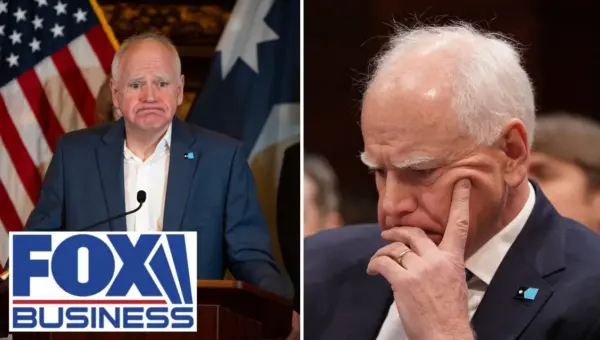
Millions, potentially billions, of taxpayer dollars may have been lost to welfare fraud in Minnesota over the past seven years. A congressional hearing has brought new scrutiny to state officials, with allegations of inaction and potential obstruction of justice. Whistleblower accounts and audio evidence suggest serious mishandling of federal funds, prompting calls for accountability.