Spain Blocks US Warplanes, Sparks NATO Rift
Spain has closed its airspace to US warplanes targeting Iran, citing violations of international law. This move forces US military planes to reroute and signals a potential rift within NATO. The decision tests economic ties and highlights national sovereignty in foreign policy.

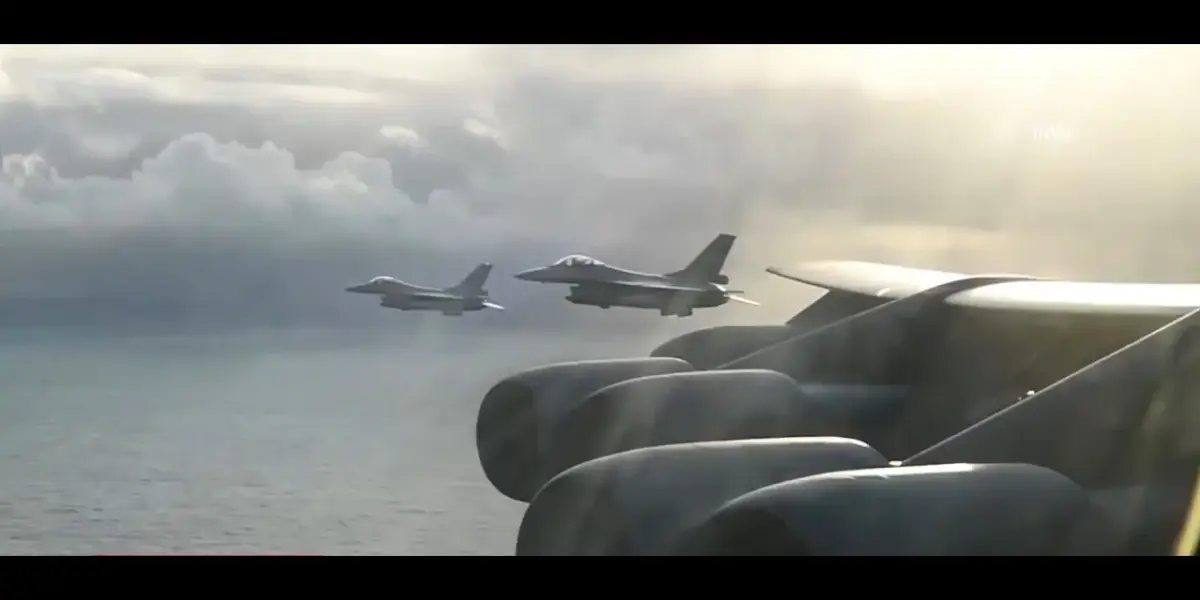
Spain Denies US Access, Citing War Illegality
Spain has taken a strong stance by closing its airspace to US military planes involved in attacks on Iran. This decision forces American aircraft to find alternative routes to the Middle East. The Spanish government has made it clear that landings will only be permitted in emergency situations.
This move signals a significant divergence from typical NATO alliances. The Spanish government views the US actions as a violation of international law. By denying airspace, Spain is refusing to be a part of what it sees as an illegal conflict. This is a bold statement from a key European ally.
Economic Ties Tested by Political Stance
The Spanish newspaper El País first reported on this airspace closure. According to their report, Spain’s economy minister explained the decision. It aligns with the government’s earlier commitment not to support the war effort. This policy directly impacts US military logistics in the region.
The situation has already created friction with the United States. President Trump has previously warned Madrid about potential trade consequences. He threatened to reduce trade with Spain if it continued to deny the US access to its military bases for war operations. This highlights the complex relationship between security alliances and national interests.
Historical Context: Alliances and Autonomy
Spain’s decision is not entirely out of the blue. While a NATO member since 1982, Spain has historically navigated its role within the alliance with a degree of independence. Public opinion and political sentiment within Spain often influence foreign policy decisions, particularly concerning military involvement in foreign conflicts.
The country has a history of being cautious about deep military commitments abroad. This caution is often rooted in domestic political considerations and a desire to maintain national sovereignty over foreign policy. Spain’s decision reflects a recurring theme: a nation asserting its right to disagree with allies on matters of war and peace, even at potential economic cost.
Implications and Future Outlook
Spain’s closure of its airspace has several important implications. It demonstrates that even within a strong military alliance like NATO, individual member states can and will make independent decisions. This could encourage other nations to question their involvement in US-led military actions.
The move also raises questions about the future of US military operations in Europe. If key allies are unwilling to provide logistical support for certain actions, the US may need to reconsider its strategies or face increased operational challenges. This could lead to a period of reassessment within NATO regarding burden-sharing and strategic alignment.
Furthermore, the economic threat from President Trump adds another layer of complexity. It shows how political disagreements can spill over into trade relations. This could set a precedent for how international disputes are handled, potentially leading to more trade-related tensions between allies.
Why This Matters
This event matters because it highlights the delicate balance of power and influence within international alliances. It shows that national sovereignty and adherence to international law can sometimes take precedence over the demands of a superpower. Spain’s action is a clear message that military cooperation is not unconditional.
It forces a conversation about the legitimacy of military actions and the responsibilities of allies. For the public, it’s a reminder that governments can choose a different path, even when faced with pressure from powerful partners. This assertion of independence could influence future international relations and how global conflicts are approached.
Conclusion: A Test for Transatlantic Relations
Spain’s decision to close its airspace to US warplanes involved in the conflict with Iran is a significant event. It underscores a growing assertiveness among some European nations regarding foreign policy. The repercussions will likely be felt within NATO and in the broader context of international relations.
The situation serves as a test for transatlantic relations, pushing both sides to navigate differing views on international law and military engagement. How the US and Spain resolve this disagreement could shape future cooperation and the overall unity of the Western alliance.
Source: Spain Closes Airspace to U S Planes Involved in Iran War (YouTube)

Related Articles


Middle East Conflict Sends Gas Prices Soaring Past $4
The national average gas price has surpassed $4 per gallon for the first time since 2022, driven by escalating conflict in the Middle East. Recent attacks on oil tankers and military strikes have heightened fears of energy supply disruptions, impacting consumers globally.


Netanyahu: Israel ‘Halfway’ Through Iran War Missions
Israeli Prime Minister Benjamin Netanyahu announced Israel is past the halfway point in its military missions against Iran, citing significant degradation of Iran's capabilities. Meanwhile, U.S. policy appears confused, with conflicting threats and potential ground operations discussed. A controversial new Israeli law allowing executions for Palestinians convicted of terror offenses also draws criticism.

US Munitions Shortage Threatens Troops in Middle East
A former Pentagon official warns that the U.S. faces a critical shortage of munitions needed to defend its troops in the Middle East. This revelation comes amid internal debate within the Trump administration over escalating military action in Iran versus seeking a diplomatic exit. The lack of sufficient supplies and the risks of ground operations create a precarious situation.