Birthright Citizenship Debate Ignites Over 14th Amendment Interpretation
The Supreme Court is examining the 14th Amendment's citizenship clause, a case that could redefine birthright citizenship. The Trump administration argues the clause was intended for freed slaves, not children of immigrants or those engaging in "birth tourism." This debate touches on national security, historical interpretation, and the very meaning of being American.

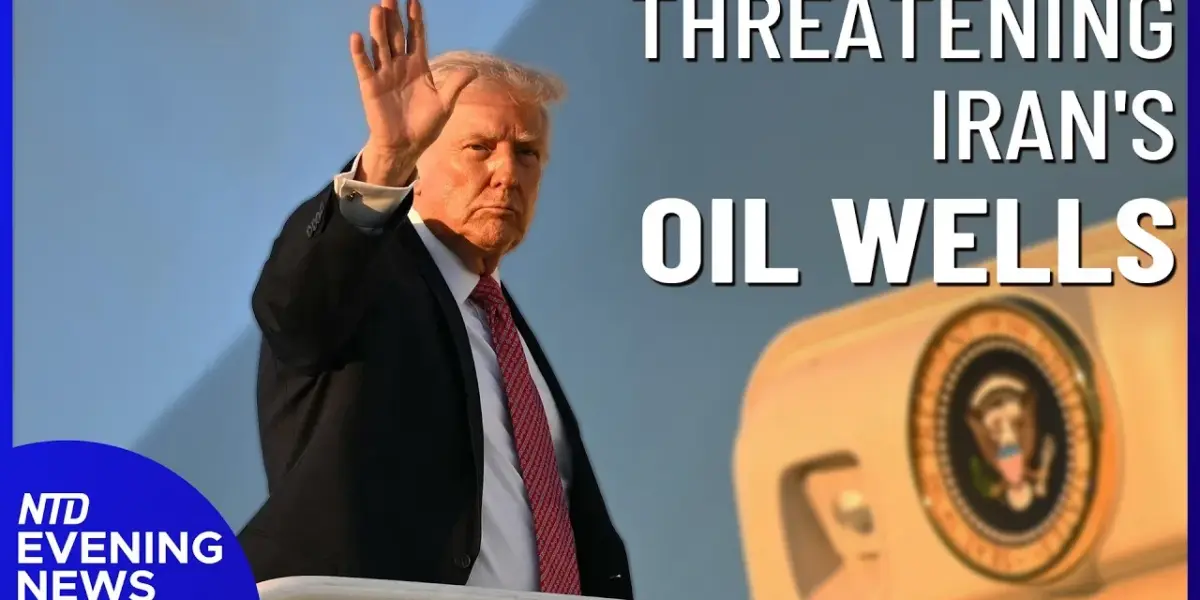
Trump Administration Challenges Birthright Citizenship
The Supreme Court is set to hear arguments this week in a high-profile case that could change what it means to be an American. The Trump administration is challenging the long-standing understanding of birthright citizenship, arguing that the Constitution’s 14th Amendment has been misunderstood for decades. At the heart of the debate is the phrase “subject to the jurisdiction thereof,” which is part of the amendment that grants citizenship to those born in the U.S.
Historical Context of the 14th Amendment
The 14th Amendment was ratified after the Civil War. Its main purpose was to grant citizenship to newly freed slaves and their children. For over a century, the common understanding has been that nearly everyone born in the United States is a citizen, regardless of their parents’ citizenship status. This interpretation has become a cornerstone of American identity and law.
The Administration’s Argument
The Justice Department argues that the 14th Amendment was specifically intended for former slaves, not for children of immigrants who are temporarily visiting or living in the U.S. illegally. President Trump has echoed this sentiment, stating that the U.S. is unique in discussing birthright citizenship and that the current system is being exploited. The administration believes that this interpretation of the amendment has been abused, leading to situations like “birth tourism,” where foreign nationals come to the U.S. specifically to give birth.
Concerns Over “Birth Tourism” and National Security
Some experts and officials have raised concerns about the potential national security risks associated with birthright citizenship and birth tourism. It’s argued that this practice can allow individuals, particularly those with ties to adversarial nations like China, to gain U.S. citizenship for their children. These children, who may be raised abroad, could potentially become citizens who are beholden to foreign governments. This raises worries about espionage, influence operations, and the potential for dual loyalties.
“China demands complete obedience for its citizens. So if China asks you, for example, to steal military secrets or to do any sort of espionage or sabotage against the United States, you have to do it.”
The Plaintiffs’ Position
On the other side, plaintiffs in the case, who are non-citizens living in the U.S., argue that the executive order attempts to rewrite the 14th Amendment. They believe the citizenship clause upholds a centuries-old tradition of citizenship by birth. Their legal filings suggest that the common law tradition of citizenship by birth was reaffirmed by the 14th Amendment and that the executive order represents a radical departure from this established understanding.
Potential Implications and Future Outlook
The Supreme Court’s decision could have far-reaching consequences. If the administration’s argument prevails, it could significantly alter immigration policy and the definition of U.S. citizenship. This could lead to stricter controls on who is considered a citizen by birth. On the other hand, if the court upholds the current interpretation, the longstanding understanding of the 14th Amendment would remain in place. The debate highlights a deep division in how Americans view citizenship and immigration, with polls showing a split on whether children of undocumented immigrants should have citizenship.
Broader Context: Government Shutdown and International Tensions
This legal battle unfolds against a backdrop of other significant national issues. The federal government faced a partial shutdown of the Department of Homeland Security, impacting TSA agents’ paychecks and airport operations. President Trump used executive action to ensure TSA employees were paid while urging Congress to resolve the funding dispute. Internationally, tensions remain high regarding Iran’s actions in the region, with the U.S. and Israel maintaining pressure. European nations are focused on reopening the Strait of Hormuz to lower energy prices, while NATO is prepared for threats from Iran. Meanwhile, the U.S. is also reopening its embassy in Caracas, Venezuela, signaling a shift in diplomatic relations.
Why This Matters
The Supreme Court’s consideration of birthright citizenship is more than just a legal case; it strikes at the core of national identity. The 14th Amendment has long been seen as a guarantee of inclusion, ensuring that those born on American soil are recognized as citizens. However, concerns about national security and the perceived exploitation of immigration laws have fueled a debate that questions this fundamental principle. The outcome will not only shape immigration policy for years to come but also redefine who belongs to the American family. It forces a national conversation about the meaning of citizenship, the intent of historical amendments, and the balance between national interests and humanitarian values.
Related Issues Discussed
The broadcast also touched upon other key topics:
- Operation Epic Fury: Ongoing military operations by the U.S. and Israel against Iran, with President Trump delaying planned strikes on Iranian power plants.
- TSA Pay and DHS Shutdown: TSA agents began receiving pay after President Trump’s executive action, but the Department of Homeland Security shutdown continued, impacting other essential workers.
- Russian Oil to Cuba: President Trump approved a Russian oil tanker’s arrival in Cuba, stating it would not impact Russia and that the Cuban people needed the resources.
- U.S. Embassy in Venezuela: The U.S. reopened its embassy in Caracas, following the restoration of full diplomatic relations.
- Protests and Alleged Foreign Influence: Rallies across the country, with concerns raised about potential funding and influence from communist and socialist groups tied to China.
- White House App Launch: The White House released a new app to provide direct news and updates from the Trump administration.
- Population Decline in Los Angeles: Census data showed Los Angeles County experienced the largest population decline in the nation.
- Lawsuit Against Minnesota: The Justice Department sued Minnesota over policies allowing boys to compete in girls’ sports, citing violations of Title IX.
- Fake Bomb Threats: The performing arts company Shen Yun faced another fake bomb threat, leading to cancellations despite no credible threat.
Source: Trump's New Warning to Iran; SCOTUS to Consider Birthright Citizenship | NTD Evening News (Mar. 30) (YouTube)

Related Articles

Gulf Allies Urge Trump to Continue Iran Conflict
U.S. allies in the Persian Gulf are urging President Trump to intensify military action against Iran, believing Tehran has not been sufficiently weakened. The ongoing conflict raises concerns about regional stability and global energy prices, while questions linger about the administration's long-term strategy.

Supreme Court Weighs Birthright Citizenship for Immigrants
The U.S. Supreme Court is reviewing a case that could alter birthright citizenship for children of undocumented immigrants. The central argument questions whether the 14th Amendment's citizenship clause applies to those whose parents are in the country illegally. This decision could have significant long-term implications for immigration policy and the nation's demographic future.


Millions Protest Trump Amidst War and Corruption Probe
Millions protested nationwide against President Trump over the weekend, with significant turnout in red states. Concerns are rising over potential corruption in detention facility contracts and the administration's challenge to birthright citizenship at the Supreme Court.