China, Russia Use Your Phone Data as a Weapon
Cybersecurity expert Rex Lee warns that data from your smartphone, often used for targeted ads, can be weaponized by countries like China and Russia. This collected information allows for real-time tracking, posing significant risks to personal privacy and national security.

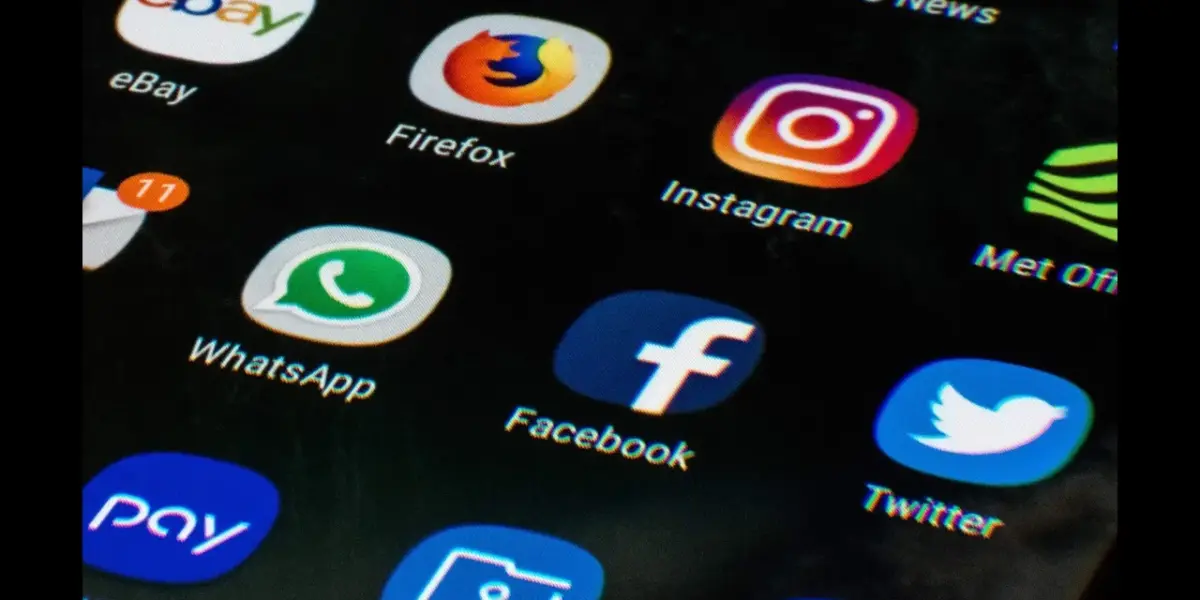
Your Smartphone Tracks More Than You Think
Have you ever noticed how ads seem to know exactly what you’re thinking about? Cybersecurity expert Rex Lee explains that this isn’t magic; it’s data collection. Companies, especially those linked to China and Russia, gather information from your smartphone. This data can be used for targeted advertising, but Lee warns it can also be turned into a weapon.
How Data Becomes a Weapon
Lee points out that the information collected goes far beyond your browsing history. Your phone knows your location, your contacts, and even your daily routines. This detailed picture of your life can be used to track individuals in real time. In times of conflict or political unrest, this tracking ability becomes a serious threat.
Imagine knowing where your opponents are at all times. This is the power data collection can give to hostile governments.
The Role of Targeted Ads
Targeted ads are the most common way we see this data being used. Advertisers want to show you products you’re likely to buy. To do this, they need to know your interests and habits. Apps and services often collect this data, and it can be sold or shared with third parties. This creates a vast database of personal information.
Lee suggests that this same system can be used for surveillance. By analyzing patterns in how people move and communicate, governments can identify and monitor specific individuals. This is especially concerning when the companies collecting the data have ties to nations with authoritarian regimes.
Historical Context: Data and Power
Throughout history, information has always been a source of power. From ancient spies to modern intelligence agencies, knowing more than your adversary gives you a significant advantage. In the digital age, smartphones have become a treasure trove of personal data. This makes them a powerful tool for those who can access and analyze it.
Before smartphones, gathering this level of detail about individuals was much harder. It required extensive surveillance operations. Now, much of the data is collected passively, simply by using the devices we carry everywhere. This shift has dramatically changed the landscape of personal privacy and national security.
Concerns About Chinese and Russian Influence
Lee specifically raises concerns about companies with connections to China and Russia. He notes that these governments have a history of using technology for state control and surveillance. When data collected by companies linked to these nations is involved, the risk of it being weaponized increases significantly.
For instance, the video touches on a company called Ganfeng and its potential stake in Lithium Americas. While the specifics of business dealings can be complex, the underlying concern is about strategic resources and foreign influence. If companies tied to geopolitical rivals have access to sensitive data or control key industries, it raises national security questions.
The Future Outlook: Protecting Your Data
The implications of this data weaponization are far-reaching. It affects personal privacy, national security, and even international relations. As technology advances, so do the methods of data collection and potential misuse.
Lee’s insights serve as a crucial reminder to be mindful of the data we share. Understanding how our smartphones are used is the first step toward protecting ourselves. This involves being cautious about app permissions, using privacy-focused services, and staying informed about data security practices.
Why This Matters
The ability for nations like China and Russia to track individuals through their smartphones is a modern-day threat. It moves beyond simple advertising and enters the realm of potential espionage and control. Your personal data, collected through everyday apps and services, could be used against you or your country’s interests. This highlights the urgent need for stronger data privacy laws and increased awareness among smartphone users worldwide.
Source: How China, Russia Weaponize Data From Smartphones (YouTube)

Related Articles


Gulf Allies Urge Trump to Continue Iran Conflict
U.S. allies in the Persian Gulf are urging President Trump to intensify military action against Iran, believing Tehran has not been sufficiently weakened. The ongoing conflict raises concerns about regional stability and global energy prices, while questions linger about the administration's long-term strategy.


Middle East Conflict Sends Gas Prices Soaring Past $4
The national average gas price has surpassed $4 per gallon for the first time since 2022, driven by escalating conflict in the Middle East. Recent attacks on oil tankers and military strikes have heightened fears of energy supply disruptions, impacting consumers globally.


US Weighs Troop Deployment Amid Iran Deal Push
The U.S. is considering deploying ground troops to Iran while simultaneously pushing for a diplomatic deal to reopen the Strait of Hormuz. Air strikes are ongoing as President Trump increases pressure on Iran.