China Pushes Taiwan; US and Allies Push Back
China is increasing pressure on Taiwan, seeking unification through various means. The U.S. and its allies, particularly Japan, are strengthening ties and support for Taiwan's defense. Taiwan's crucial role in global chip manufacturing makes its security a matter of international concern.

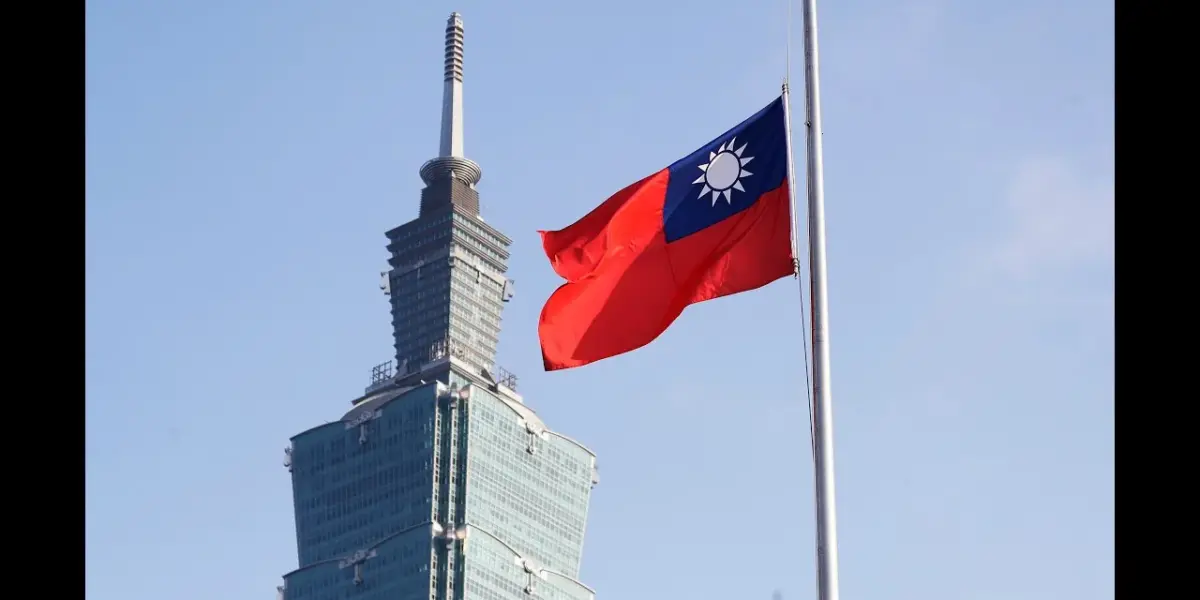
China Pushes Taiwan; US and Allies Push Back
Taiwan, a democratic island, finds itself at the center of a growing struggle for influence. Communist China is trying to bring Taiwan under its control, sometimes with pressure and sometimes with offers. The United States and its allies in Asia are watching closely and taking steps to support Taiwan. This complex situation involves technology, politics, and military readiness.
Taiwan Cracks Down on Tech Talent Drain
Recently, Taiwan announced it is investigating 11 Chinese companies. These companies are accused of illegally hiring skilled Taiwanese workers, especially in high-tech fields. Taiwan says these Chinese businesses hide their ownership through fake companies or unofficial offices. Their work includes making electronics, computer chips, and circuit boards. Taiwan’s government took this action after the U.S. placed restrictions on exporting advanced computer chips to China. This is important because Taiwan makes more than 90% of the world’s most advanced semiconductors. These tiny chips are essential for everything from smartphones to advanced military equipment.
Japan’s Stake in Taiwan’s Security
The security of Taiwan matters a great deal to Washington and its allies, especially Japan. China recently placed sanctions on a Japanese lawmaker, Keiji Furuya. This happened after Furuya visited Taiwan and met with its president. Beijing claimed Furuya supported Taiwan’s independence. Furuya is also a close friend of Japanese Prime Minister Fumio Kishida. Kishida has suggested that Japan might send troops to help Taiwan if China invades or blockades the island. He believes an attack on Taiwan would be a serious danger to Japan itself. The Taiwan Strait, the body of water between China and Taiwan, is a critical shipping route for Japan. It’s like a vital lifeline for their trade and economy.
Taiwan Opposition Leader Visits China
Meanwhile, China’s leader, Xi Jinping, invited Taiwan’s opposition party leader, Hung Hsiu-chu, to visit. She accepted the invitation. This visit is expected to happen before U.S. President Trump plans to visit China in May. Hung’s meetings with Beijing officials are causing mixed feelings in Taiwan. Some people worry that her close ties to China’s ruling Communist Party could hurt Taiwan’s relationship with the United States. Beijing’s efforts to engage with Taiwanese politicians happen at the same time as a visit from a U.S. delegation.
U.S. Shows Support for Taiwan
A group of U.S. senators arrived in Taiwan earlier this week. This visit signals America’s continued commitment to the island’s defense. The senators also encouraged Taiwan’s lawmakers to approve a plan for an extra $40 billion in defense spending. One senator told Taiwan’s legislature that Washington notices and supports their efforts to increase defense spending. This shows that the U.S. and its allies are actively involved in supporting Taiwan.
Why This Matters
The situation around Taiwan is a clear example of the growing competition between the United States and China. Taiwan’s strategic location and its dominance in chip manufacturing make it incredibly important globally. For China, taking control of Taiwan would be a major victory, expanding its influence and control over key technologies. For the U.S. and its allies, Taiwan’s independence and security are vital to regional stability and the global economy. The island’s chip industry is so critical that any disruption could have worldwide consequences.
Historical Context
Taiwan has been self-governing since 1949, when the losing side of China’s civil war retreated to the island. The Communist Party, which won the war on the mainland, has always claimed Taiwan as part of China. However, Taiwan has developed its own democratic government and distinct identity. For decades, the U.S. recognized Taiwan as the legitimate government of China. But in 1979, the U.S. switched its diplomatic recognition to Beijing, while still maintaining unofficial relations with Taiwan and promising to help it defend itself.
Implications and Future Outlook
The actions by both China and the U.S. highlight the increasing tension. China’s strategy of pressuring Taiwan economically and politically, while also building up its military, aims to isolate the island and force reunification. The U.S. and its allies are responding by strengthening their own military presence in the region, increasing diplomatic ties with Taiwan, and supporting its defense capabilities. The global economy, particularly the technology sector, is heavily reliant on Taiwan’s stability. Any conflict or major disruption would have far-reaching negative effects worldwide.
The coming months will be crucial. China’s actions, Taiwan’s responses, and the commitment of allies like the U.S. and Japan will shape the future of this strategically vital region. The world watches as this geopolitical chess game unfolds, with the future of democracy and the global technology supply chain at stake.
Source: US, China Wrestling For Influence Over Taiwan (YouTube)

Related Articles

Gulf Allies Urge Trump to Continue Iran Conflict
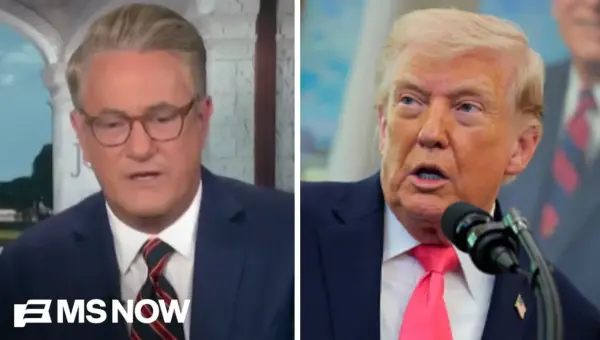
U.S. allies in the Persian Gulf are urging President Trump to intensify military action against Iran, believing Tehran has not been sufficiently weakened. The ongoing conflict raises concerns about regional stability and global energy prices, while questions linger about the administration's long-term strategy.


Middle East Conflict Sends Gas Prices Soaring Past $4
The national average gas price has surpassed $4 per gallon for the first time since 2022, driven by escalating conflict in the Middle East. Recent attacks on oil tankers and military strikes have heightened fears of energy supply disruptions, impacting consumers globally.
US Weighs Troop Deployment Amid Iran Deal Push
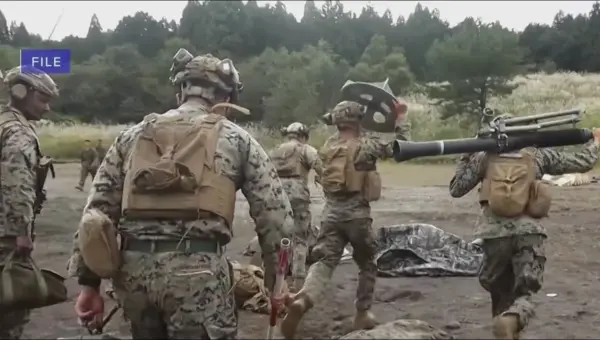
The U.S. is considering deploying ground troops to Iran while simultaneously pushing for a diplomatic deal to reopen the Strait of Hormuz. Air strikes are ongoing as President Trump increases pressure on Iran.