US Signals Control of Hormuz Strait Amid Oil Supply Talk
US officials have indicated the global oil market is well-supplied and that the US intends to take control of the vital Strait of Hormuz. This statement comes amid presidential warnings to Iran regarding potential strikes on its energy infrastructure if a deal is not reached to reopen the critical shipping lane.

US Signals Control of Hormuz Strait Amid Oil Supply Talk
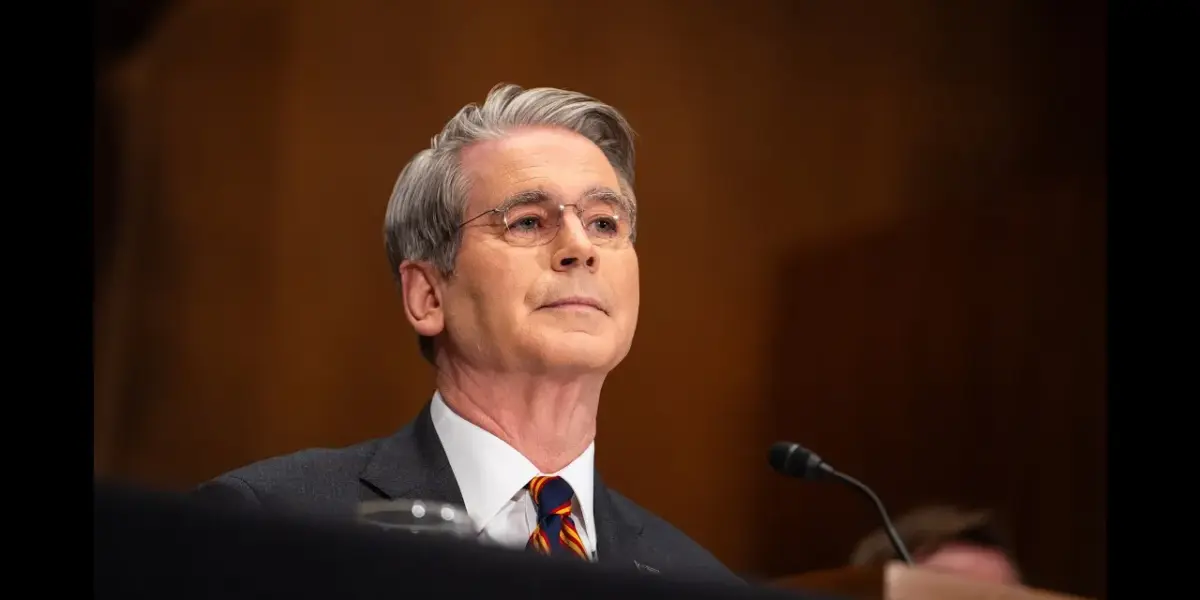
Treasury Secretary Scott Bessant recently stated that the global oil market is well-supplied. He also indicated that the United States plans to take control of the Strait of Hormuz. This strait is a vital waterway for oil transport. Bessant made these comments on Fox News, suggesting a shift in US policy regarding this critical region.
Market Stability and Regional Concerns
Bessant explained that more ships are passing through the Strait of Hormuz daily. This is happening as individual countries make separate deals with Iran. While these temporary deals help supply for now, Bessant emphasized the US intention to regain control over time. He believes any increase in oil supply is beneficial and aims for a return to normal trade conditions.
The market is well supplied and we are seeing more and more ships go through on a daily basis as individual countries cut deals with the Iranian regime for the time being. But over time the US is going to retake control of the straits. Any supply is helpful and we want to get back to normal.
Presidential Warnings and Diplomatic Pressure
These remarks from Secretary Bessant followed a stern warning from President Donald Trump. Trump posted on Truth Social, stating that Washington is in serious talks with Iran’s current leaders. He urged Iran to reach an agreement to reopen the Strait of Hormuz. The President warned of potential US attacks on Iran’s energy infrastructure and water desalination plants if no deal is reached soon.
Trump’s message was direct and forceful. He wrote that if an agreement isn’t reached quickly and the Strait of Hormuz isn’t immediately opened for business, the US would respond by targeting Iran’s power plants, oil wells on Kharg Island, and possibly its desalination facilities. This statement underscores the high stakes involved in the ongoing tensions in the region.
Historical Context and Geopolitical Significance
The Strait of Hormuz has long been a focal point of geopolitical strategy. It connects the Persian Gulf to the Gulf of Oman, serving as a critical chokepoint for global oil shipments. Approximately 30% of the world’s seaborne oil trade passes through this narrow waterway. Any disruption here can send oil prices soaring and impact global energy security.
Historically, the US has played a significant role in ensuring freedom of navigation in the Strait. However, the current administration’s explicit statement about retaking control signals a more assertive stance. This approach comes amid complex regional dynamics, including Iran’s nuclear program and its influence in the Middle East.
Why This Matters
The comments from both Bessant and Trump highlight the delicate balance of power and influence in the Middle East. The US aims to ensure stable oil markets and freedom of navigation, while Iran seeks to exert its regional influence. The potential for military action, even if stated as a threat, carries significant implications for global energy prices and international relations. A conflict or escalation in this region could disrupt oil supplies, leading to higher costs for consumers worldwide and increased economic uncertainty.
Implications, Trends, and Future Outlook
The US’s stated intention to control the Strait of Hormuz suggests a potential increase in naval presence and strategic maneuvering. This could lead to a more tense standoff with Iran. The reliance on individual country deals with Iran indicates a temporary solution to supply issues, but the long-term stability remains uncertain. The trend towards direct presidential warnings about economic and infrastructure targets shows a willingness to use strong economic and military pressure.
Looking ahead, the situation hinges on diplomatic outcomes and Iran’s response to US pressure. The success of any deal will depend on the willingness of both sides to compromise. If diplomatic channels fail, the risk of escalation remains a significant concern. The global energy market will continue to watch this situation closely, as any instability in the Strait of Hormuz could have far-reaching economic consequences.
Source: Global Oil Markets Well Supplied, US to Take Control of Strait of Hormuz: Bessent (YouTube)

Related Articles

Gulf Allies Urge Trump to Continue Iran Conflict
U.S. allies in the Persian Gulf are urging President Trump to intensify military action against Iran, believing Tehran has not been sufficiently weakened. The ongoing conflict raises concerns about regional stability and global energy prices, while questions linger about the administration's long-term strategy.

Jet Fuel Shockwaves: Airlines Warn of Fare Hikes, Flight Cuts
Rising jet fuel prices, driven by conflict in the Strait of Hormuz, are forcing airlines to warn travelers of higher fares and fewer flights. This comes as TSA lines ease, but worker pay remains uncertain, highlighting broader instability.


Middle East Conflict Sends Gas Prices Soaring Past $4
The national average gas price has surpassed $4 per gallon for the first time since 2022, driven by escalating conflict in the Middle East. Recent attacks on oil tankers and military strikes have heightened fears of energy supply disruptions, impacting consumers globally.