Brooklyn Fights Back: Shelters Spark Resident Outrage
Brooklyn residents are protesting the construction of homeless shelters, citing safety concerns and potential profit motives by developers. Intense demonstrations, including blocking construction vehicles, highlight a growing conflict between community needs and the city's efforts to house its homeless population.

Brooklyn Fights Back: Shelters Spark Resident Outrage
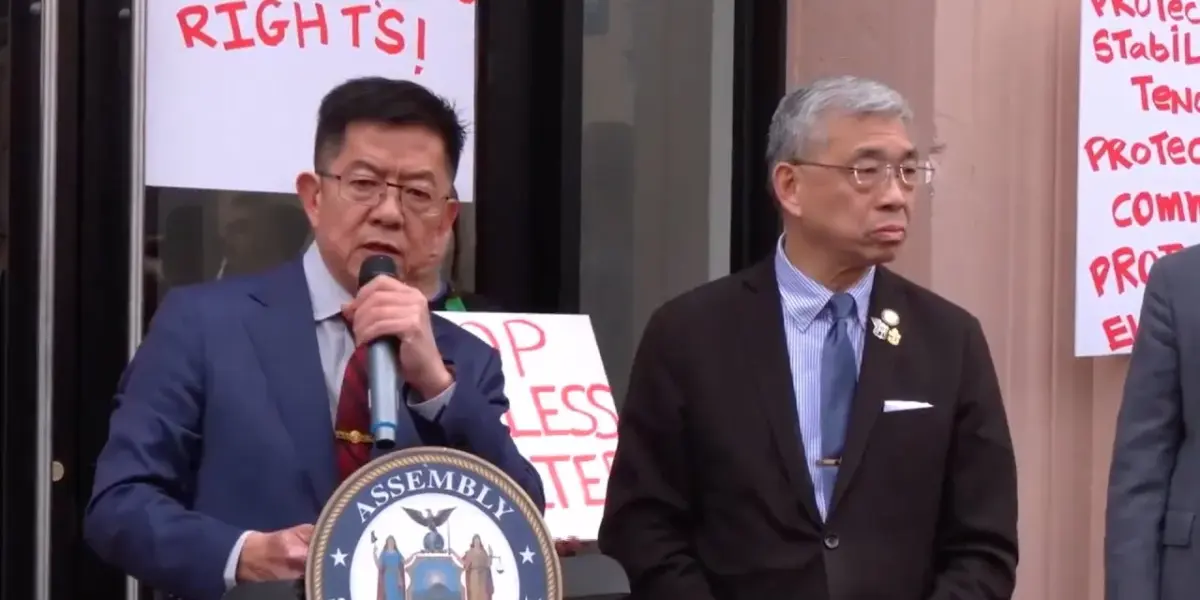
Residents in Brooklyn are voicing strong opposition to the construction and placement of homeless shelters in their neighborhoods. Recent protests have turned intense, with over 100 people blocking construction vehicles in Bensonhurst. Police even had to use crowd control measures, with some officers in riot gear, to manage the situation.
This isn’t an isolated incident. Just a few days earlier, another protest aimed to stop a building from being turned into a homeless shelter. Local officials, like Senator Steve Chan and Assembly Member Lester Chang, have shown up to support the residents. They argue that the city needs to better protect its citizens.
Concerns Over Safety and Location
One of the main worries for residents is safety. Senator Chan mentioned concerns about people being released from jail who may not be used to society and could become violent. He also brought up mental health issues among some individuals needing shelter. The feeling is that these shelters are being placed without careful consideration of the neighborhoods.
“It’s better to carefully select the locations of where we’re placing these homeless,” Senator Chan stated. He emphasized that while he supports helping the homeless, there must be a smarter way to choose where shelters go.
Accusations of Profit Motives
Beyond safety, there are suspicions that profit plays a significant role in the decisions. Some believe that non-profit organizations might be more motivated by the money earned from operating homeless shelters compared to other housing projects. The idea is that shelters, especially those with extra services, can be financially more appealing.
Assembly Member Lester Chang raised a point about potential double-dipping. He suggested that some developers might receive payments from the city for housing individuals and then again for providing wraparound services like mental health support or job training. This could mean multiple income streams from the same residents, raising questions about efficiency and true need.
Historical Context and Current Challenges
The issue of housing the homeless is not new for New York City. For decades, the city has grappled with finding solutions for its growing homeless population. Past approaches have included large-scale shelters, SROs (single-room occupancy hotels), and efforts to move people into permanent housing. However, the current situation seems to be testing the patience and trust of many long-term residents.
The city often faces a difficult balancing act. On one hand, there’s a moral and legal obligation to provide shelter and services to vulnerable populations. On the other hand, residents in affected areas have legitimate concerns about the impact on their communities, property values, and daily lives. Finding locations that are both suitable for shelters and acceptable to the public is a persistent challenge.
Why This Matters
These conflicts highlight a critical tension in urban policy: the needs of the most vulnerable versus the concerns of established communities. When residents feel their voices aren’t heard or that decisions are being made without proper consultation, it can lead to strong opposition and distrust in local government. It also raises questions about how taxpayer money is being used and whether the most effective solutions are being implemented.
The protests in Brooklyn are a symptom of a larger debate about how cities should manage homelessness. It forces a conversation about the best practices for siting shelters, ensuring community safety, and making sure that resources are used efficiently and ethically. The financial incentives for non-profits also warrant closer examination to ensure that the primary goal remains helping those in need, not maximizing profit.
Implications and Future Outlook
The current situation in Brooklyn could set a precedent for how other neighborhoods react to similar proposals. If opposition continues to be strong and vocal, city officials may need to rethink their strategies for site selection and community engagement. More transparency and collaboration with residents could be key to moving forward.
Looking ahead, cities everywhere will likely face similar challenges. As housing costs rise and social issues persist, the demand for services for the homeless will continue. Finding humane and effective solutions requires a thoughtful approach that considers the needs of everyone involved – the homeless, the service providers, and the residents of the communities where these facilities are located. The events in Brooklyn serve as a powerful reminder that community buy-in is essential for any policy to succeed.
One of the shelters mentioned, located in Her kimer, is still planned to open in late 2027. This timeline suggests that these debates and potential conflicts will continue for some time.
Source: Brooklyn Residents Oppose Construction of Homeless Shelters (YouTube)

Related Articles


Bass Leads Mayor Race Amidst Voter Doubts
A new poll shows Los Angeles Mayor Karen Bass leading her reelection bid with 25% of the vote, but her lead is narrow. Over half of voters view her unfavorably, raising concerns for her campaign. Other candidates are actively debating key city issues like housing, aiming to capture undecided voters.


UK Govt Condemns “Attack On Us All” After Arson of Jewish Ambulances
Four ambulances owned by a Jewish volunteer group were destroyed in a suspected anti-Semitic arson attack in North London. The government condemned the incident as an "attack on us all" while also addressing concerns about potential Iranian missile threats and announcing plans for seven new towns.


Housing Crisis Deepens: Why Local Rules Hamper Building
America faces a severe housing shortage, preventing a generation from achieving homeownership and independence. Experts identify restrictive zoning and complex development rules at the local level as major roadblocks. Solutions likely involve state and local governments reforming land use policies to allow for more diverse housing types.