TSA Workers Paid, But Shutdown Frustration Grows
TSA workers are receiving partial paychecks amid the ongoing Department of Homeland Security shutdown, offering some relief but not ending worker frustration. The payment comes as airport lines ease, yet the underlying political stalemate over border security funding continues, leaving the long-term outlook uncertain for federal employees.

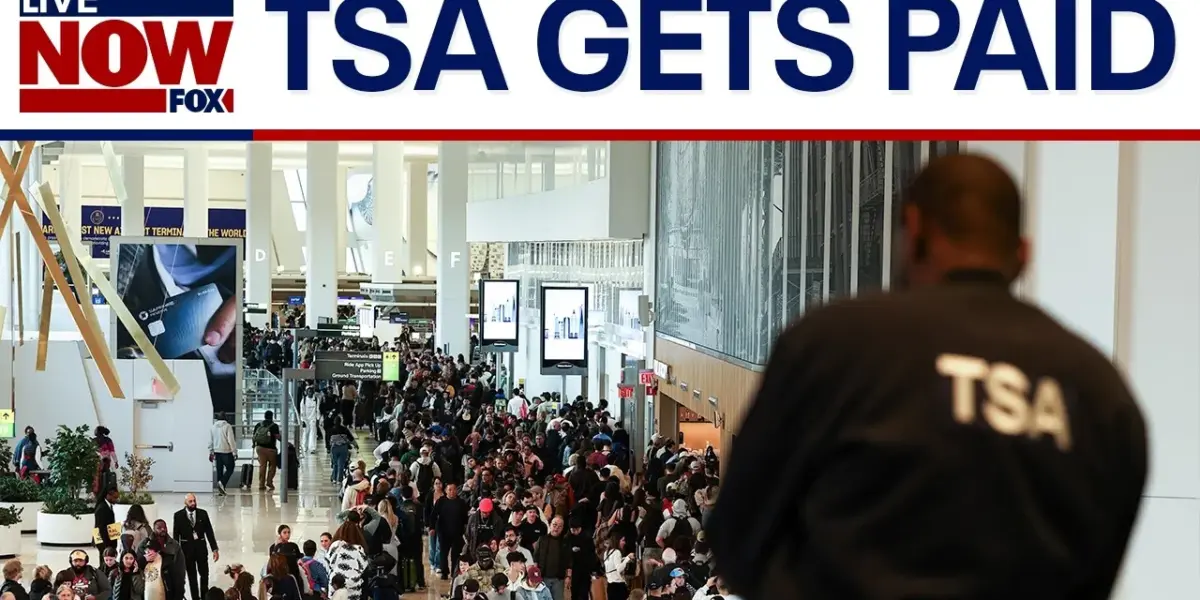
TSA Workers Receive Pay Amid Ongoing Shutdown
Transportation Security Administration (TSA) agents began receiving paychecks on Monday, offering a glimmer of relief amid the longest partial government shutdown in Department of Homeland Security (DHS) history. While this payment addresses the immediate financial strain for many workers, it does not cover the entire period of the shutdown, leaving many with lingering uncertainty and frustration.
Airport Lines Ease, But Future Uncertain
The partial payment has led to an easing of the record-long lines that plagued major airports across the country. Wait times at hubs like Atlanta and Houston saw significant improvements on Monday morning. However, TSA officers caution that this improvement is temporary. “We are getting paid, and we’re very, very grateful for that, but there’s still questions regarding next pay period. We don’t know if we’re going to be funded,” one lead TSA officer told Fox News. This uncertainty is a primary reason why many TSA agents continue to call out of work, with over 10% of the workforce, more than 3,000 agents, absent on Sunday alone.
Political Stalemate Fuels Worker Exodus
The ongoing partial government shutdown, now nearing six weeks, stems from a political deadlock between Republicans and Democrats over funding for ICE (Immigration and Customs Enforcement) and Border Patrol. TSA workers find themselves caught in the middle of this larger legislative fight, which has little to do with air travel itself. “Nothing will be truly normal again until Democrats do the right thing to fund this agency fully,” a TSA officer stated. Republicans have proposed simple reforms such as body cameras for agents and clear identification of agencies, but negotiations have stalled.
Congress Departs Without a Deal
Lawmakers left Washington for their scheduled Easter recess on Friday without a resolution. The White House has urged Congress to cut their recess short to address the shutdown. However, as of now, there are no plans for lawmakers to return, as no viable path forward for a deal is apparent. The Senate passed a bill early Friday morning to fund the Department of Homeland Security, excluding funding for ICE and Border Patrol, as an agreement on those specific agencies could not be reached. House Republicans, however, rejected this measure, with hardline conservatives insisting on full DHS funding that includes ICE and CBP. Speaker Mike Johnson then introduced a short-term extension of DHS funding, which passed the House late Friday night with nearly unanimous Republican support and three Democratic votes. Senate Democrats quickly announced they would not accept this proposal, stating that six weeks of negotiations had yielded no progress on ICE funding.
Internal Republican Divisions Surface
The legislative gridlock has also exposed divisions within the Republican party. Senate Majority Leader John Thune’s proposal was rejected by House Republicans, with Speaker Johnson reportedly calling it “a joke.” House Republicans have been vocal in their criticism of the Senate, urging senators to return to Washington and pass the bill that the House approved. This internal conflict adds another layer of complexity to an already challenging situation. For weeks, the narrative from Republicans focused on Democrats’ unwillingness to fund ICE. Now, the conflict has shifted to an intra-party dispute between the House and Senate Republicans over blame and the path forward.
Filibuster Reform Discussed, But Unlikely
Amidst the shutdown, some Republican senators have considered, or are being pressured to consider, changing Senate rules to eliminate the filibuster, which currently requires 60 votes for most legislation to pass. President Trump has been a vocal proponent of this idea for years. However, such a change would require 50 votes in the Senate, and at least four senators have stated they would never support altering the filibuster rules. This makes changing the rules to a 50-vote threshold unlikely in the near future.
Potential Workarounds and Long-Term Solutions
The Trump administration and Senate Republicans have discussed potential workarounds to keep essential agencies like TSA operational. One possibility is funding specific agencies through a process called reconciliation, which only requires a simple majority (50 votes) in the Senate and would only need Republican support. However, this is a lengthy and complex process that could take months. The immediate focus remains on finding a legislative solution to end the broader DHS shutdown and address the funding disagreements over ICE and Border Patrol.
Public Frustration Mounts
The prolonged shutdown and its impact on public services like air travel have led to widespread frustration. Many House lawmakers are calling on senators to return to Washington and pass the funding bill. The Senate held a pro-forma session, a brief meeting where little is accomplished, on Sunday. Some House Republicans hoped a senator would object to a unanimous consent agreement to pass their bill, but this did not happen. Democrats, with senators geographically close to D.C., are prepared to object to any attempts to pass legislation without broader agreement, ensuring that legislative progress remains stalled without a bipartisan consensus.
Looking Ahead
With lawmakers on recess and no clear path to a resolution, the shutdown is likely to continue. The White House’s call for Congress to shorten their recess may or may not be heeded. The focus will remain on whether Republicans and Democrats can bridge their divide on border security and immigration funding, and whether internal party disagreements can be resolved to allow for legislative action. The impact on federal workers and the public services they provide will continue to be a critical concern.
Source: TSA workers begin to get paid amid record-long DHS shutdown (YouTube)

Related Articles

Jet Fuel Shockwaves: Airlines Warn of Fare Hikes, Flight Cuts
Rising jet fuel prices, driven by conflict in the Strait of Hormuz, are forcing airlines to warn travelers of higher fares and fewer flights. This comes as TSA lines ease, but worker pay remains uncertain, highlighting broader instability.


Trump Threatens Iran; TSA Workers Get Back Pay
Tensions escalate in the Middle East as President Trump threatens severe action against Iran if a deal isn't reached, while Iran denies ongoing U.S. negotiations. Meanwhile, TSA workers receive partial back pay amid a prolonged government shutdown, and lawmakers face scrutiny over potential insider trading in online prediction markets.


Trump’s War Focus Alienates MAGA Base, Fuels Protests
Frustration is mounting as President Trump's focus on foreign wars clashes with domestic needs and promises to his MAGA base. Protests like 'No Kings' highlight public anger over war spending, rising costs, and neglected issues, while Democrats seek common ground on practical solutions.