Spain Bans US Warplanes From Its Airspace
Spain has closed its airspace to US warplanes involved in the Iran conflict, citing opposition to the war as illegal and unjust. This move escalates tensions with Washington and aligns with Spain's vocal anti-war stance. While presenting logistical hurdles for US operations, the broader impact on the war and economic repercussions from US President Trump appear limited.

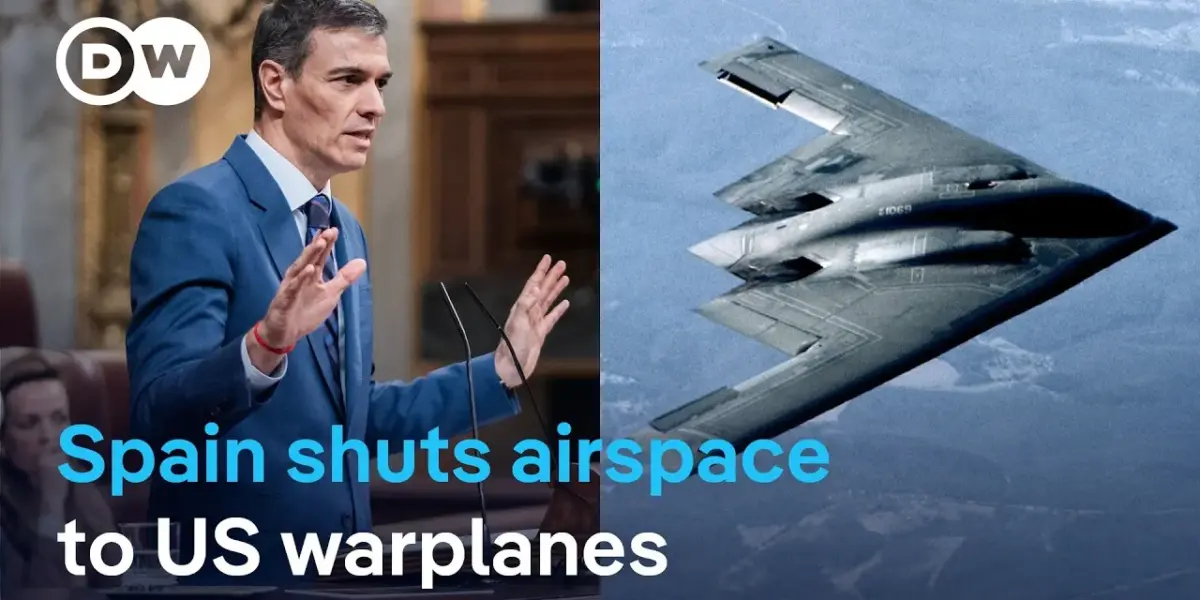
Spain Closes Airspace to US Warplanes in Iran Conflict
Spain has taken a firm stance against the US-led war in Iran, closing its airspace to American warplanes involved in the conflict. This move marks a significant escalation in the growing disagreement between Madrid and Washington. Spain has emerged as one of Europe’s most vocal opponents of the war, with Prime Minister Pedro Sanchez describing the campaign as reckless and illegal.
Government Cites Opposition to War, International Law
The Spanish government’s decision follows previous actions, including barring the US from using two jointly operated military bases in Spain. Defense Minister Margarita Robles explained the reasoning behind the latest decision, stating that the US military was clearly informed from the outset that the use of Spanish bases and airspace for operations related to the war in Iran was not authorized. She emphasized that Spain believes the war should not be used to engage in conflict, as they are entirely opposed to it, do not believe in it, and consider it profoundly illegal and unjust.
Carlos Quero, Spain’s Economy Minister and Deputy Prime Minister, echoed these sentiments, calling the war unilateral and against international law. These legal considerations are central to the Spanish government’s position, aligning with Prime Minister Sanchez’s long-held stance that has gained international attention.
Domestic Politics Play a Role in Foreign Policy
Beyond international law and ethical objections, the decision also has roots in Spanish domestic politics. With regional elections approaching next year and general elections on the horizon, Prime Minister Sanchez appears to be cultivating a strong image on the foreign policy front. This approach is seen by critics as resonating with the Spanish electorate, which holds strong anti-war sentiments. By taking a firm stance, Sanchez aims to consolidate his political standing and appeal to voters concerned about the ongoing conflict.
Impact on US Operations and Population’s View
Regarding the impact of Spain’s actions on US military operations, Barcelona correspondent Nicole Ris explained that it presents another obstacle. US forces can no longer use Spanish airspace or the two shared military bases, adding logistical complexity. This could lead to longer flight routes and increased fuel consumption for US operations. However, Ris noted that there isn’t strong hope among the Spanish population that these measures will significantly alter the course of the war.
Despite the potential limited impact on the war itself, many Spaniards view their government’s stance with pride. The population largely opposes war, and the government’s actions reflect this widespread sentiment. This anti-war feeling is a key driver behind the public’s support for the government’s firm position.
Economic Threats from Trump Appear to Fade
US President Donald Trump had previously threatened to cut trade ties with Spain after the initial refusal to allow the use of military bases. However, this threat seems to have lost momentum. While the announcement was loud at the time, the situation in the background has remained normal. The discussion has moved on, and the prospect of such economic sanctions appears unlikely. Spain’s membership in the European Union, where economic matters are typically negotiated as a bloc, would have made unilateral action by the US particularly difficult.
Furthermore, Spain is a significant buyer of energy from the US, making punitive economic measures potentially detrimental to American interests as well. The immediate concern over Trump’s threat has subsided, with both countries seemingly continuing their economic relationship without disruption.
Looking Ahead
As the conflict in Iran continues, Spain’s firm stance highlights a growing divide among Western allies regarding the approach to the war. Future developments will likely involve monitoring whether other European nations follow Spain’s lead and how the US responds to increased international pressure. The domestic political calculus in Spain will also be crucial as the country heads towards upcoming elections, with foreign policy potentially playing a significant role in voter decisions.
Source: Do the Spanish expect this decision to have any impact on the war in Iran? | DW News (YouTube)

Related Articles


Trump Threatens Iran; TSA Workers Get Back Pay
Tensions escalate in the Middle East as President Trump threatens severe action against Iran if a deal isn't reached, while Iran denies ongoing U.S. negotiations. Meanwhile, TSA workers receive partial back pay amid a prolonged government shutdown, and lawmakers face scrutiny over potential insider trading in online prediction markets.


Millions Protest Trump Amidst War and Corruption Probe
Millions protested nationwide against President Trump over the weekend, with significant turnout in red states. Concerns are rising over potential corruption in detention facility contracts and the administration's challenge to birthright citizenship at the Supreme Court.

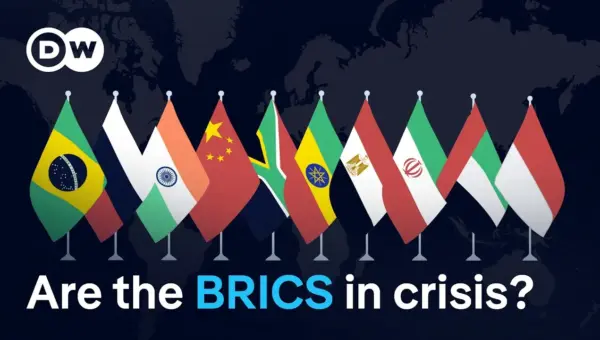
BRICS Faces Internal Conflict After Iran-UAE Tensions
BRICS, a group of 10 emerging nations, is grappling with internal conflict following the recent expansion that included Iran and the UAE. The escalation of tensions between these two members challenges the group's consensus-based decision-making. BRICS is currently relying on quiet diplomacy and an 'agree to disagree' approach to manage the crisis and avoid a split.