Treasury Hunts Health Care Crooks: A New Crackdown
The U.S. Treasury Department is cracking down on fraud within Medicare and Medicaid. An advisory urges financial institutions to watch for schemes run by transnational criminal organizations that use stolen beneficiary information and complicit insiders to file false claims.

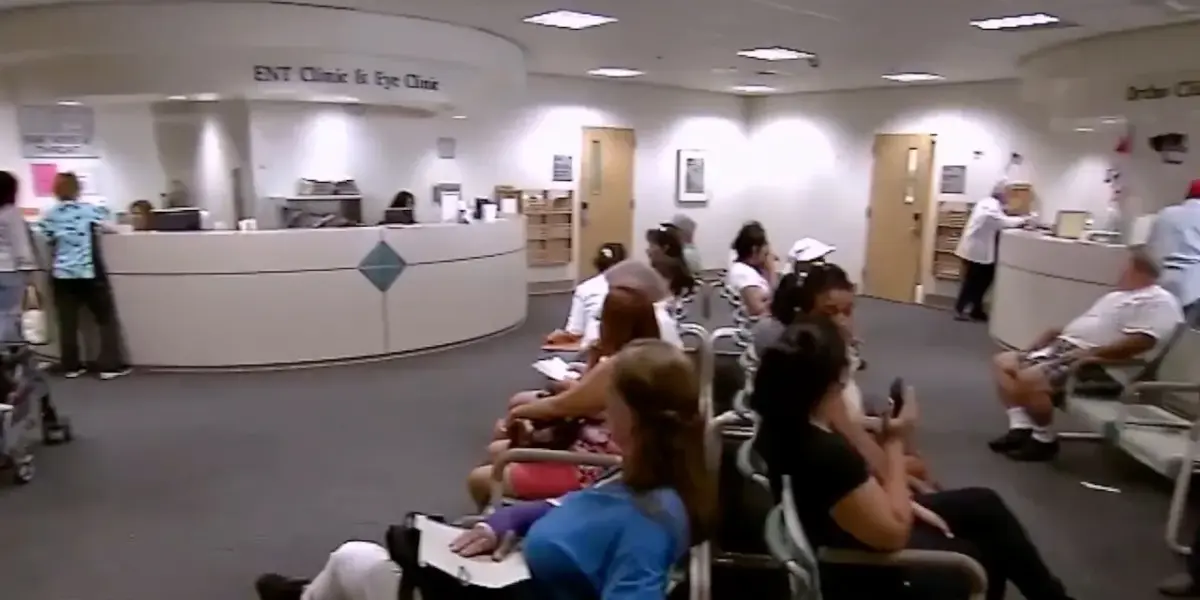
Treasury Hunts Health Care Crooks: A New Crackdown
The U.S. Treasury Department is taking aim at a serious problem: fraud in our nation’s health care systems. Programs like Medicare and Medicaid, which provide vital care for millions, are being targeted by criminals. In a recent advisory, the Treasury urged banks and other financial companies to be extra watchful for suspicious activities.
These aren’t just small-time scams. The Treasury’s warning points to organized groups, often from other countries, that are running complex fraud schemes. They set up fake health care businesses in the U.S. using people from overseas. Then, they illegally get the names of people who are supposed to receive benefits from Medicare and Medicaid. With this stolen information, they submit false claims asking for money that isn’t owed.
How the Schemes Work
The advisory details how these criminal groups operate. They don’t do it alone. These operations often rely on help from inside the financial system and even from doctors and nurses. These insiders are paid off with bribes and kickbacks to keep the fraudulent claims flowing and to help hide the money.
Think of it like this: imagine a group creating fake invoices for a service that never happened. They then use a corrupt cashier to process these fake bills and get paid. In the health care world, this means real people might not get the care they need because resources are being stolen. The Treasury is trying to stop this by providing clear signs, or ‘red flags,’ that financial institutions can look for.
“Treasury will continue to find and disrupt fraud schemes wherever they exist, and we will work with our law enforcement partners to hold perpetrators accountable,” said Secretary of the Treasury Scott Bessent. This statement shows a clear commitment to fighting back against these crimes.
Why This Matters
Fraud in Medicare and Medicaid isn’t just about stolen money. It directly impacts all of us. When billions of dollars are lost to these schemes, it means less funding is available for actual medical care, research, and improving health services. This theft can also lead to higher costs for everyone through increased insurance premiums and taxes.
Furthermore, these criminal operations can put patients at risk. Fake providers might offer unqualified services, or patient data could be misused. Protecting these programs means protecting the health and financial well-being of millions of Americans. It’s a fight for the integrity of a system designed to help those in need.
Historical Context and Background
Government programs like Medicare, created in 1965, and Medicaid, also established in 1965, have always been targets for fraud. The sheer scale of these programs, with vast sums of money changing hands, makes them attractive to criminals. Over the decades, as technology has advanced, so have the methods used by fraudsters.
Early fraud might have been simpler, involving paper claims and less sophisticated tracking. Today, criminals use advanced techniques, including cybercrime and international networks, to carry out their schemes. The Treasury’s advisory reflects this evolution, highlighting the role of transnational criminal organizations and the need for financial institutions to use modern tools to detect fraud.
Implications, Trends, and Future Outlook
This latest move by the Treasury signals a growing focus on tackling health care fraud, especially the kind involving organized international criminal groups. Financial institutions are now on notice. They are expected to play a bigger role in identifying and reporting suspicious transactions linked to these schemes.
We can expect to see more collaboration between government agencies like the Treasury and law enforcement. They will likely share more information and develop better strategies to track down criminals. For financial institutions, this means investing in better fraud detection technology and training their staff. The trend is toward greater accountability for those who facilitate or turn a blind eye to these crimes.
Looking ahead, the fight against health care fraud will likely become more sophisticated. As criminals adapt, so will the methods used to catch them. The Treasury’s advisory is a key step in this ongoing battle, aiming to protect valuable public resources and ensure that Medicare and Medicaid serve their intended purpose: providing care for those who need it.
Source: Treasury Targets Medicare and Medicaid Fraud (YouTube)

Related Articles

Billions in COVID Funds Stolen as Protections Were Disabled
Billions in COVID-19 relief funds were allegedly stolen as fraud protections were intentionally disabled by the Biden administration, according to Congressman Pat Fallon. These safeguards are now being reactivated under the Trump administration. The congressman cited political motivations and donor ties as potential reasons for the shutdown, highlighting a shift in organized crime towards less risky financial fraud.
Whistleblower Exposes Massive Fraud, Threatens State Government
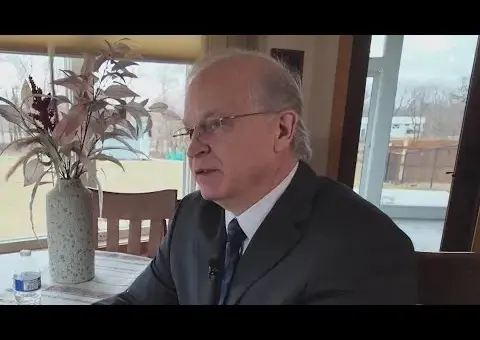
A former Minnesota DHS employee, Scott Stillman, blew the whistle on massive fraud years ago but claims he was targeted. Now, U.S. Attorney Joe Thompson estimates $9 billion in fraud, validating Stillman's warnings and raising questions about government accountability.
Congress Probes $3.5B California Hospice Fraud Scheme
The House Oversight Committee has launched an investigation into a massive hospice fraud scheme in California, allegedly costing taxpayers $3.5 billion. Chairman James Comer is examining the role of Governor Gavin Newsom's administration and aiming to prosecute those responsible for stealing federal funds.