US-Iran Peace Deal Demands a New Iran
A potential US-Iran peace deal requires more than just an agreement; it demands a fundamental transformation within Iran. Analyst Babak Shakarabi explains the conflicting goals of the US and Israel, and the crucial role of the Iranian people in shaping any future outcome. The path forward is complex, with risks of widespread suffering and regional instability.

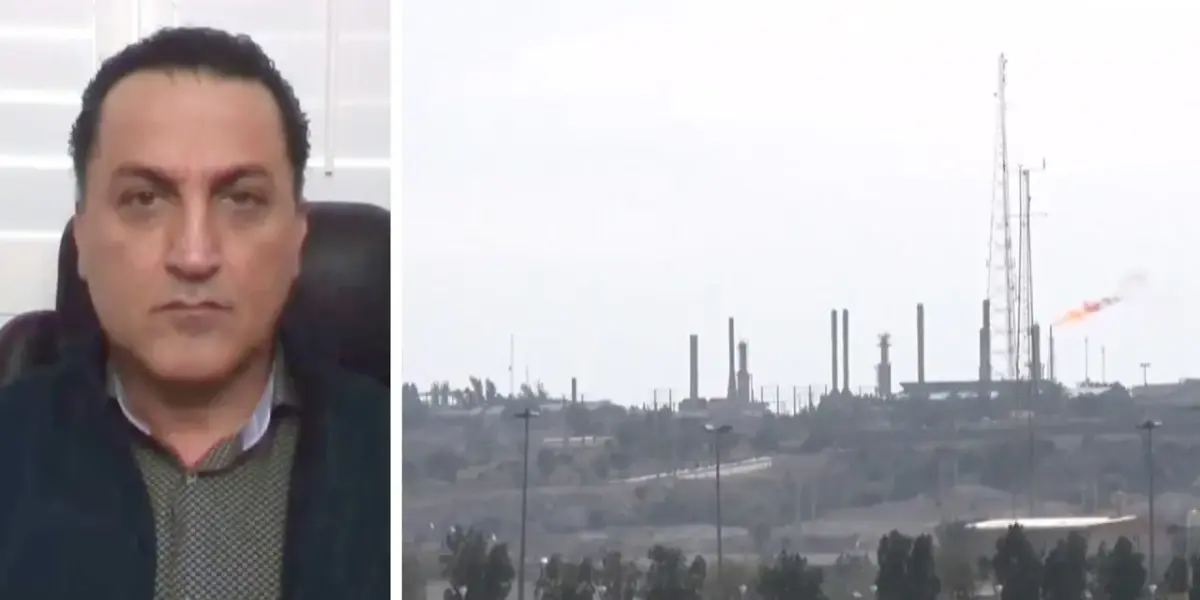
US-Iran Peace Deal Demands a New Iran
President Trump has suggested the US might invade Iran’s Kar Island. However, he also stated a preference for a diplomatic solution. This complex situation involves different goals from the US, Israel, and the Iranian people. Understanding these different aims is key to seeing what a potential peace deal might look like.
Conflicting Goals in Play
The US and Israel share a desire to see a change in Iran’s current leadership. Israel, in particular, seems to want the complete removal of the existing regime. The US, on the other hand, might have different political and military objectives. Their aim could be to pressure the current government into a new form of leadership. This new leadership would ideally be more friendly to the US, eliminate Iran’s nuclear weapons program, and address its missile development.
The US also wants to achieve these goals with minimal cost, both economically and politically, especially with upcoming elections. These objectives are mostly aligned, but there are subtle differences. The political side of US efforts seems focused on creating a situation where, even if a peace deal is reached, Iran would be a very different country, more open to the West.
The Wild Card: The Iranian People
Adding another layer to this situation are the Iranian people themselves. They have repeatedly shown a strong desire to overthrow the current regime. They are looking for a “new era” where Iran can be a trusted partner in the international community. Recent political events in Iran highlight a strong public call for a specific leader, Prince Reza Pahlavi. He has spoken about a vision for Iran that includes friendly relations with Western countries.
This dynamic creates three main forces influencing the situation: the US, Israel, and the Iranian people. President Trump’s approach seems to use military power to push for a quick resolution, potentially so he can then focus on other global issues like China. This is different from Israel’s goal of completely dismantling the current regime, a sentiment shared by many Iranians.
Potential Peace Deal Outcomes
If a peace deal is made, the immediate reaction from the Iranian people might be one of feeling betrayed. However, the analyst suggests it could lead to dealing with a much weaker regime. This weaker regime might then be more vulnerable to being overthrown by its own people. The current government in Iran is aware of this threat.
Any peaceful resolution could weaken the ruling faction, as they would lose support from the majority of Iranians who want change. While this might prolong the regime’s existence, it’s unlikely to lead to a fundamental change in its behavior. History shows that Iran has not always kept its agreements, often continuing to destabilize the region. This makes it difficult for countries like Israel and those in the Persian Gulf to trust Iran.
The Threat of Infrastructure Destruction
President Trump has warned of potentially destroying Iran’s electrical plants, oil wells, and other critical infrastructure if a deal is not reached. Many of these are vital for the Iranian people, especially during times of unrest. Such an attack would likely paralyze the regime and could lead to an uprising.
However, rebuilding this infrastructure would take a very long time. This would cause immense suffering for the Iranian people. The analyst warns that attacking infrastructure carries a significant risk for the US. It could alienate the Iranian population, potentially turning them against the US. This would allow the regime’s long-standing propaganda about America being the enemy to resonate with the people.
The long-term negative effects of such an attack could outweigh any immediate benefits. A future government in Iran would face the immense challenge of easing economic pressure on its citizens. This economic hardship has been a major driver of public protests. If the new leadership cannot quickly address these needs, it could face similar unhappiness and instability.
Future Challenges and Considerations
Beyond economic struggles, a post-regime Iran could face other serious issues. These include the risk of sectarian conflict and mass migration. Furthermore, forces trained by the current regime, like the IRGC, could become mercenaries for whoever pays them if they face economic hardship. This has been seen in other conflict zones like Libya and Iraq.
The US needs to be mindful of these potential consequences. There has been inconsistency in President Trump’s approach, sometimes suggesting regime change and other times open to negotiation with a reformed government. A clear recognition of Prince Reza Pahlavi as a potential leader of the opposition, a figure strongly supported by the Iranian people, is something the US could consider.
Supporting internal forces for change could be more effective than expanding military operations. This could help avoid the need for a larger US military presence in the region. The current US troop presence is estimated at around 2,500, with more potentially being positioned nearby.
Why This Matters
The situation in Iran is a delicate balancing act. The US is trying to achieve its foreign policy goals, while Israel seeks a more drastic change. The Iranian people are yearning for freedom and a better future. A peace deal that doesn’t consider the aspirations of the Iranian people, or one that leads to widespread destruction, could have severe long-term consequences.
Understanding the different motivations at play—the US political aims, Israel’s security concerns, and the deep-seated desire for change among Iranians—is crucial. Any path forward must weigh the immediate benefits against the potential for prolonged suffering and regional instability. The potential for Iran to become a stable, friendly nation hinges on addressing the needs and hopes of its own population.
Looking Ahead
The future of Iran remains uncertain. The path to peace or further conflict is fraught with complex challenges. The decisions made by the US and the reactions of the Iranian regime and its people will shape the region for years to come. The possibility of a truly new era for Iran depends on finding a solution that respects the will of its people and leads to lasting stability.
Source: A US–Iran Peace Deal Would Require a ‘New Era’ for Iran: Analyst (YouTube)

Related Articles

Gulf Allies Urge Trump to Continue Iran Conflict
U.S. allies in the Persian Gulf are urging President Trump to intensify military action against Iran, believing Tehran has not been sufficiently weakened. The ongoing conflict raises concerns about regional stability and global energy prices, while questions linger about the administration's long-term strategy.
US Weighs Troop Deployment Amid Iran Deal Push
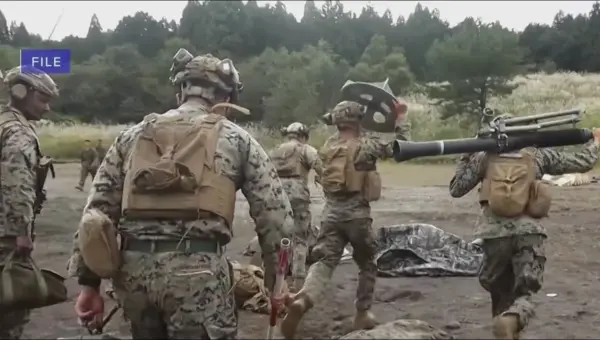
The U.S. is considering deploying ground troops to Iran while simultaneously pushing for a diplomatic deal to reopen the Strait of Hormuz. Air strikes are ongoing as President Trump increases pressure on Iran.

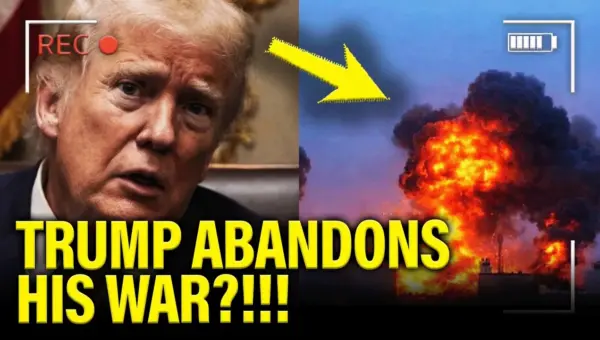
Trump’s Iran War Falters, Retreat Looms Large
Reports indicate a potential shift in the Trump administration's strategy regarding Iran, moving from ambitious military goals to a possible withdrawal. This pivot raises questions about effectiveness, regional stability, and the evolving nature of modern warfare.