Birthright Citizenship: Supreme Court Weighs End to Key Right
The Supreme Court is hearing a case that could end birthright citizenship for children of undocumented immigrants. President Trump argues it's not for wealthy foreigners but for descendants of slaves. This decision could redefine citizenship and impact millions.

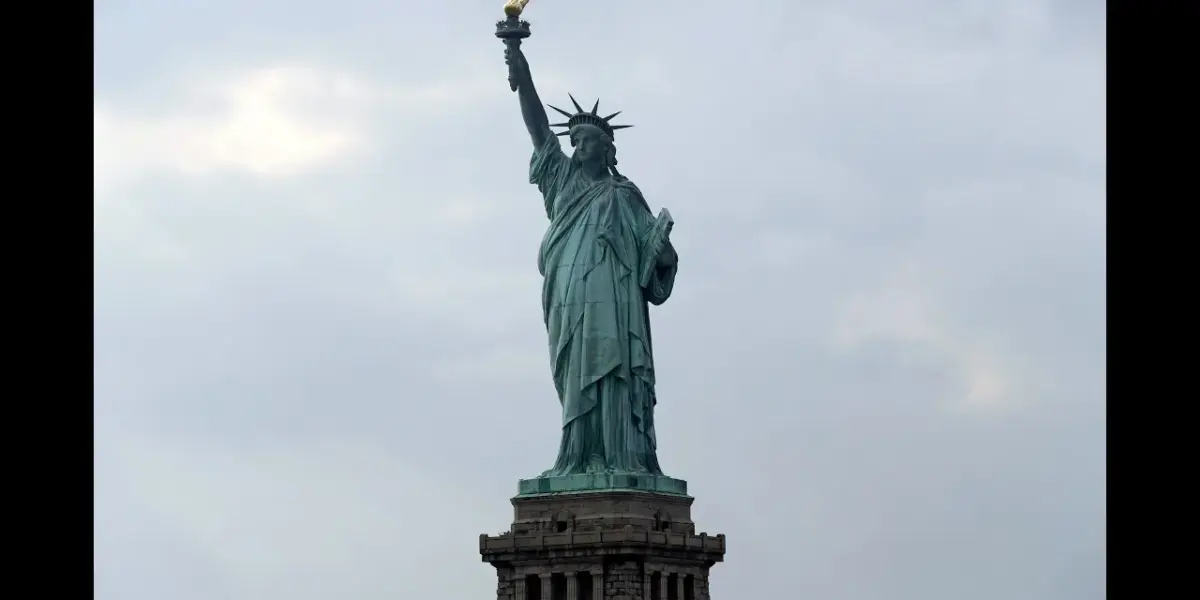
Supreme Court Takes On Birthright Citizenship
The Supreme Court is set to hear a major case that could change who automatically becomes a U.S. citizen. This case questions whether all children born on American soil will continue to receive citizenship. The focus is on an executive order from President Trump that aims to stop birthright citizenship for children born to parents who are in the country illegally.
President Trump’s Stance on Birthright Citizenship
President Trump recently shared his thoughts on this upcoming hearing. He posted on social media that birthright citizenship isn’t for wealthy people from other countries who want to gain citizenship for their children. Instead, he said it’s about the children of slaves. He also pointed out that the United States is the only country that even discusses this issue.
“Birthright citizenship is not about rich people from China and the rest of the world who want their children and hundreds of thousands more for pay to ridiculously become citizens of the United States of America. It is about the babies of slaves.”
“The world is getting rich, selling citizenships to our country, while at the same time laughing at how stupid our US court system has become.”
Historical Context of Birthright Citizenship
Birthright citizenship, also known as jus soli, has a long history in the United States. It is based on the principle that anyone born within a country’s borders is a citizen of that country. This idea is rooted in English common law. In the U.S., it was largely solidified by the 14th Amendment to the Constitution, passed after the Civil War. The amendment states that all persons born or naturalized in the United States, and subject to its jurisdiction, are citizens of the United States and of the state wherein they reside. For over a century, this has been the standard for determining citizenship for most people born in America.
Arguments and Counterarguments
The core of the debate lies in how to interpret the 14th Amendment. Supporters of birthright citizenship argue that it is a fundamental right clearly established by the Constitution. They believe that changing it would create a class of stateless people born in the U.S. and undermine the principle of equal citizenship. This view often highlights the historical context of the 14th Amendment, which was intended to grant citizenship to formerly enslaved people.
On the other hand, those who question birthright citizenship, like President Trump, argue that the amendment might not apply to children of parents who are not legal residents. They suggest that citizenship should be tied to parents’ legal status. Some also point to other countries that do not automatically grant citizenship based on birthplace. They believe that this practice is being exploited by people seeking to gain U.S. citizenship for their children through birth alone.
Why This Matters
The Supreme Court’s decision in this case will have significant consequences. It could affect millions of families and redefine what it means to be an American citizen. If birthright citizenship is limited, children born in the U.S. to undocumented parents might not automatically be citizens. This could lead to complex legal and social issues, including questions about their rights and future in the country. It also touches on broader debates about immigration, national identity, and the interpretation of constitutional law.
Implications and Future Outlook
The outcome of this case could set a new precedent for citizenship in the United States. It might lead to legal challenges and further political debate. Depending on the court’s ruling, future immigration policies and family reunification efforts could be significantly impacted. The discussion also highlights a growing global trend where countries are re-evaluating their citizenship laws. Many nations are considering stricter rules, making the U.S. situation part of a larger international conversation about who belongs and how citizenship is granted.
This case forces a deep look at the foundational principles of American citizenship. The Supreme Court’s interpretation will shape the nation’s identity for generations to come. It’s a complex issue with deep historical roots and far-reaching modern implications.
Source: Supreme Court to Hear Birthright Citizenship Case (YouTube)

Related Articles


Indiana Tightens Trucking Rules for Immigrants
Indiana is now the first state to revoke commercial driver's licenses for undocumented immigrants, citing public safety concerns. The new law imposes strict English proficiency requirements and hefty fines for businesses that violate the rules. This move sparks debate about immigration, safety, and the future of trucking regulations.

DHS Shutdown Hits Day 46: Congress Flees Recess
The Department of Homeland Security (DHS) faces its longest-ever shutdown on day 46 as lawmakers depart for an Easter recess. House Republicans rejected a Senate funding bill, demanding more robust funding for ICE and CBP, leading to a stalemate that has left critical agencies without full appropriations.

Supreme Court Weighs Birthright Citizenship for Immigrants
The U.S. Supreme Court is reviewing a case that could alter birthright citizenship for children of undocumented immigrants. The central argument questions whether the 14th Amendment's citizenship clause applies to those whose parents are in the country illegally. This decision could have significant long-term implications for immigration policy and the nation's demographic future.