Trump’s Iran Threat: War or Peace on the Horizon?
President Trump has issued a stark warning to Iran, threatening to "completely obliterate" its energy infrastructure if peace talks fail. This aggressive stance comes amid increased U.S. military presence in the Middle East and mixed signals from Iran regarding negotiations.

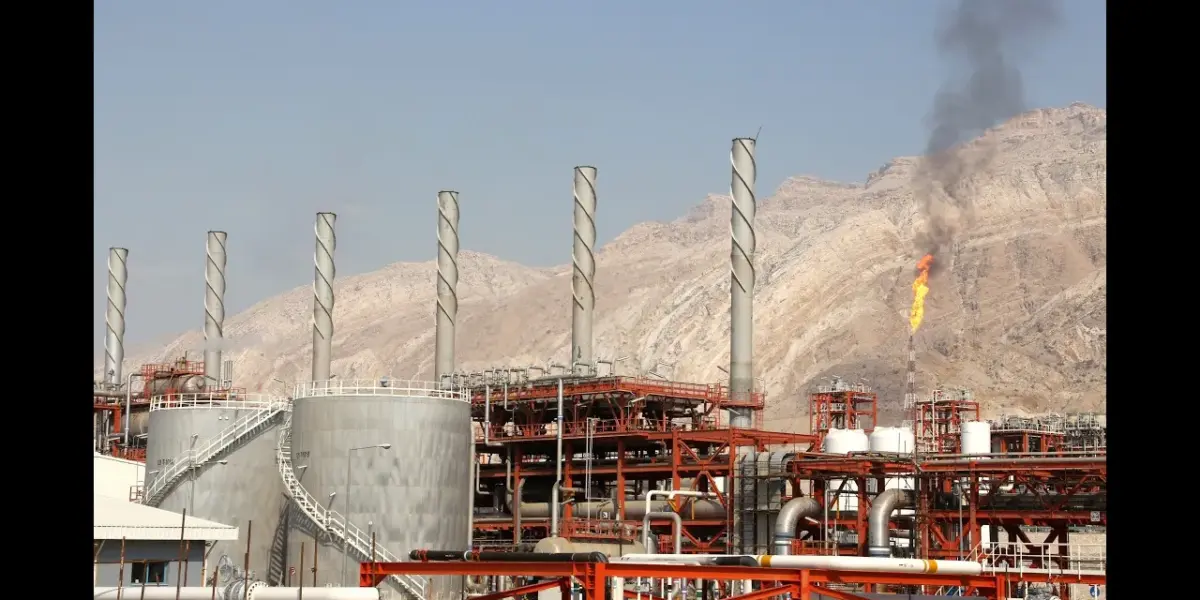
Trump Threatens ‘Obliteration’ of Iran’s Energy Sector
President Trump has issued a stark warning to Iran, threatening to “completely obliterate” its energy infrastructure if peace talks fail. This aggressive stance comes as the United States increases its military presence in the Middle East. The president’s message, posted on his social media platform, suggests ongoing discussions with what he describes as a “new and more reasonable regime” in Iran. However, he made it clear that if a deal isn’t reached quickly or if the Strait of Hormuz isn’t immediately reopened for commerce, the U.S. would respond with devastating force. This includes destroying all of Iran’s power plants, oil wells, and related facilities.
Mixed Signals in U.S.-Iran Relations
This stern warning follows a recent development where Iran reportedly allowed 20 oil tankers to pass through the Strait of Hormuz. President Trump viewed this as a positive gesture, calling it a “sign of respect.” He indicated that negotiations were progressing well, though he also noted the unpredictable nature of talks with Iran, saying, “we negotiate with them and then we always have to blow them up.” This highlights a complex dynamic where diplomatic efforts are shadowed by the threat of military action.
Pakistan Offers to Host Peace Talks
In a potential diplomatic opening, Pakistan has offered to host peace talks between the U.S. and Iran in the coming days. However, Iran has consistently denied engaging in public peace deals or even direct talks with the United States. This outright rejection complicates efforts to de-escalate tensions and find a peaceful resolution to the ongoing standoff. While the U.S. continues to emphasize diplomatic channels, the military option remains a prominent part of the strategy.
U.S. Military Buildup in the Region
The Pentagon is actively reinforcing its military presence in the Middle East. The USS Tripoli, an amphibious assault ship carrying approximately 2,500 Marines, arrived in the region over the weekend. Another similar ship, the USS Boxer, is also en route. This deployment of naval assets and personnel signals the administration’s readiness to project power and provide military options should diplomatic efforts falter. When asked about potentially sending troops on the ground, President Trump indicated he had “lots of alternatives” and highlighted the significant naval power already present.
The White House Briefing and Future Outlook
Further clarity on the administration’s approach was expected from a White House press briefing scheduled for later in the day. The situation remains fluid, with diplomatic overtures being made alongside a clear military threat. The coming days will be crucial in determining whether negotiations can overcome Iran’s public stance and whether the threat of military action will be averted.
Why This Matters
The escalating tensions between the United States and Iran carry significant global implications. A direct military conflict could disrupt global oil supplies, leading to price spikes and economic instability worldwide. The Middle East is already a volatile region, and further conflict could have far-reaching consequences for regional security and international relations. The threat to Iran’s energy sector is particularly noteworthy, as it represents a critical part of the country’s economy and a potential target that could inflict severe damage.
Historical Context: A Long-Standing Rivalry
The relationship between the U.S. and Iran has been fraught with tension for decades, dating back to the 1979 Iranian Revolution. This history of mistrust and confrontation has shaped their current interactions. Past incidents, including the seizure of American hostages and various sanctions, have created a deep-seated animosity. President Trump’s “maximum pressure” campaign has aimed to curb Iran’s nuclear program and regional influence, often leading to bellicose rhetoric and increased military posturing from both sides.
Trends and Future Outlook
The current situation reflects a recurring pattern in U.S.-Iran relations: a cycle of threats, limited engagement, and military posturing. While President Trump has expressed a desire for a deal, the administration’s strategy often involves using the threat of force to achieve diplomatic objectives. Iran, meanwhile, maintains a defiant public stance while potentially engaging in subtle diplomatic signaling, such as allowing oil tankers to pass. The future outlook remains uncertain. Success will likely depend on whether diplomatic channels can be effectively utilized, or if the situation will inevitably lead to a military confrontation. The involvement of third-party mediators like Pakistan could play a crucial role in bridging the gap between the two nations.
Source: Trump Threatens to ‘Obliterate’ Iran’s Energy Sites if Peace Rejected (YouTube)

Related Articles


Iran’s Strategy: Humiliate the West, Cause Global Pain
Iran's leaders are reportedly using energy and fertilizer shortages to inflict global pain and humiliate the West. This strategy could lead to a harsh winter for Europe and food crises worldwide. The situation raises concerns about potential military escalation.
US Troops Show ‘Urgency’ in Middle East Fight
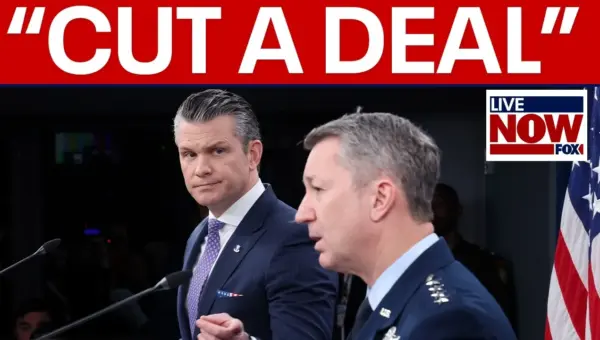
U.S. troops in Operation Epic Fury are demonstrating "wartime speed" and a powerful sense of mission focus, according to a recent Pentagon visit. Service members expressed a strong desire to finish the fight quickly for future generations, requesting more resources for operations rather than personal comforts. The ongoing pressure aims to compel Iran to negotiate, with continued military action planned if diplomacy fails.

US Strikes Iran’s Secret Sites, Threatening Strait of Hormuz Control
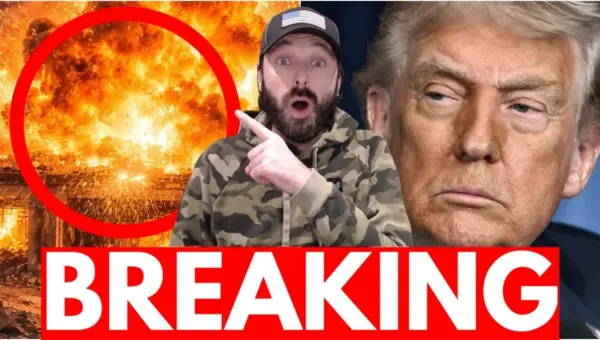
The United States has launched significant strikes against secret Iranian facilities, utilizing advanced bombers and electronic warfare aircraft. Despite these attacks, Iran continues its aggression, and concerns are rising over control of the vital Strait of Hormuz, a crucial waterway for global oil transport.