Trump Fuels Conflict With False Iran Claims
Donald Trump's claims of 'productive' Iran talks are being rejected by Iran itself, sparking concerns about his market manipulation-like tactics in foreign policy. Experts warn of dangerous escalation and potential war crimes, while allies voice opposition.


Trump Fuels Conflict With False Iran Claims
Donald Trump is reportedly using tactics that resemble market manipulation, but instead of stocks, he’s playing with international relations. He recently claimed to be having “productive” talks with Iran about a ceasefire. However, Iran has openly rejected these claims and his proposed ceasefire plan. This situation highlights a dangerous approach to foreign policy, where public statements seem to be made for effect rather than based on actual diplomatic progress.
Experts are warning that Trump’s actions, including threats against Iranian infrastructure, could lead to serious international consequences. Some even suggest these threats could be considered war crimes. Meanwhile, European allies are starting to voice their opposition to what they see as a reckless path toward a wider conflict. This suggests a growing divide between the U.S. and its traditional partners on how to handle sensitive international issues.
Inside the White House Briefing Room
The chaos isn’t just happening on the international stage; it’s also spilling into the White House press briefings. Karoline Leavitt, a spokesperson, has been struggling to defend Trump’s contradictory statements and inflammatory language. Journalists are asking tough questions, and it appears difficult to provide clear answers when the underlying message is inconsistent. This public relations struggle shows the challenges of managing public perception when faced with complex and controversial policies.
Historical Context: The Art of Diplomacy vs. Rhetoric
Throughout history, effective diplomacy has often relied on careful communication and building trust between nations. Leaders have historically used private channels and measured language to de-escalate tensions and find common ground. This approach aims to avoid provoking adversaries or alarming allies unnecessarily. Think of it like a delicate negotiation where revealing your entire strategy too early can backfire.
In contrast, Trump’s reported strategy seems to prioritize bold public pronouncements. This can sometimes create short-term attention but may undermine long-term diplomatic goals. When leaders make grand claims that are quickly disproven by other parties, it can damage their credibility. This can make future negotiations much harder, as trust erodes. The current situation with Iran echoes past instances where strong rhetoric outpaced actual diplomatic achievements.
Why This Matters
The stakes in international relations are incredibly high. Misinformation or misleading statements about potential conflicts can have devastating real-world consequences. When leaders make false claims about diplomatic progress, it can create a false sense of security or, conversely, unnecessarily inflame tensions. This directly impacts global stability and the safety of people around the world.
For allies, this approach creates uncertainty and can strain long-standing relationships. If partners cannot rely on consistent and truthful communication, it becomes difficult to coordinate foreign policy efforts. This can weaken collective security and make it harder to address global challenges effectively. The situation also raises questions about accountability and the truthfulness of public statements made by high-ranking officials.
Implications, Trends, and Future Outlook
This incident points to a broader trend where political communication often prioritizes immediate impact over factual accuracy. The ease with which information, or misinformation, can spread online means that such tactics can gain traction quickly. This makes it harder for the public to discern what is real and what is not.
Looking ahead, the challenge will be to find a balance between strong leadership and responsible communication. Can leaders effectively pursue national interests without resorting to tactics that alienate allies or provoke adversaries? The international community will likely continue to grapple with how to verify claims and hold leaders accountable for their words, especially in sensitive geopolitical situations. The effectiveness of diplomacy in the future may depend on a renewed commitment to transparency and factual reporting.
The ongoing situation with Iran and Trump’s statements underscores the critical need for clear, honest communication in international affairs. It serves as a reminder that words have power, and when used carelessly, they can lead to dangerous outcomes. The world watches to see how these complex diplomatic challenges will be navigated and what lessons will be learned.
Source: LIVE: MeidasTouch RESPONDS to MAJOR BREAKING NEWS – 3/30/26 (YouTube)

Related Articles
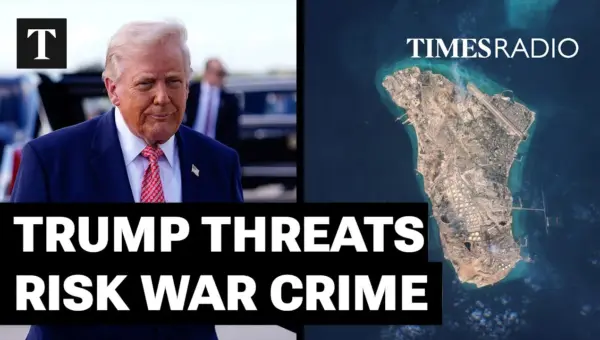
Trump’s War Crime Threat: Targeting Iran’s Water Plants
Former President Donald Trump's threats to target Iran's water desalination plants are drawing sharp criticism from legal and military experts, who warn of potential war crimes. While U.S. forces have degraded Iran's military, a clear path to victory remains uncertain, highlighting the need for diplomacy alongside continued military pressure.
Trump Signs Order: What Does It Mean Now?
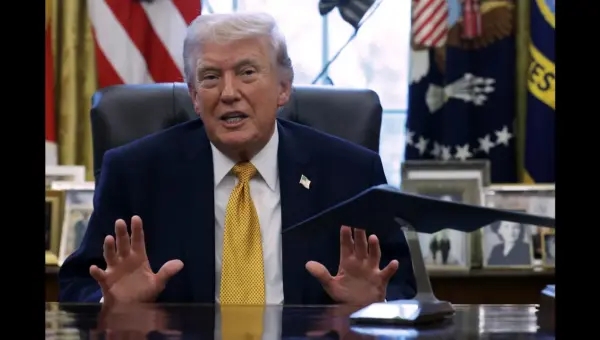
President Donald Trump signed an executive order on March 31st, a significant act that directs federal agencies. Executive orders are powerful tools, acting like directives from the President that carry the force of law. Their impact can be wide-ranging, affecting policy, the economy, and citizens' lives.
Iran Strike Costs US $750M, Hints at Russian Aid
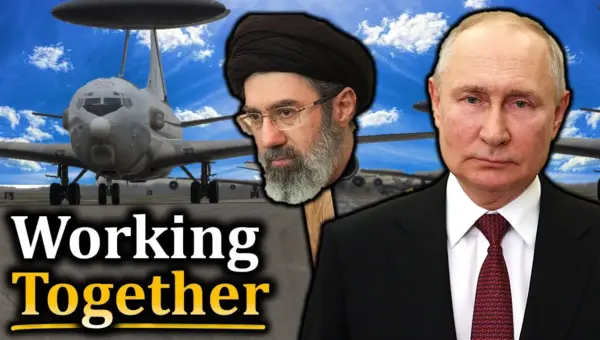
An Iranian strike on Prince Sultan Air Base destroyed at least $750 million in U.S. assets, including a vital AWACS aircraft. The attack, which injured ten personnel, raises questions about U.S. defenses and suggests potential Russian intelligence assistance to Iran.