US War Timeline With Iran Holds Amidst Diplomatic Push
The White House confirms the US war timeline with Iran remains in effect amid ongoing diplomatic efforts. Recent Iranian attacks on infrastructure have prompted warnings of potential US strikes on Iran's energy sector if negotiations fail. Pentagon prepares for ground operations, while mediators work behind the scenes.

US War Timeline With Iran Holds Amidst Diplomatic Push
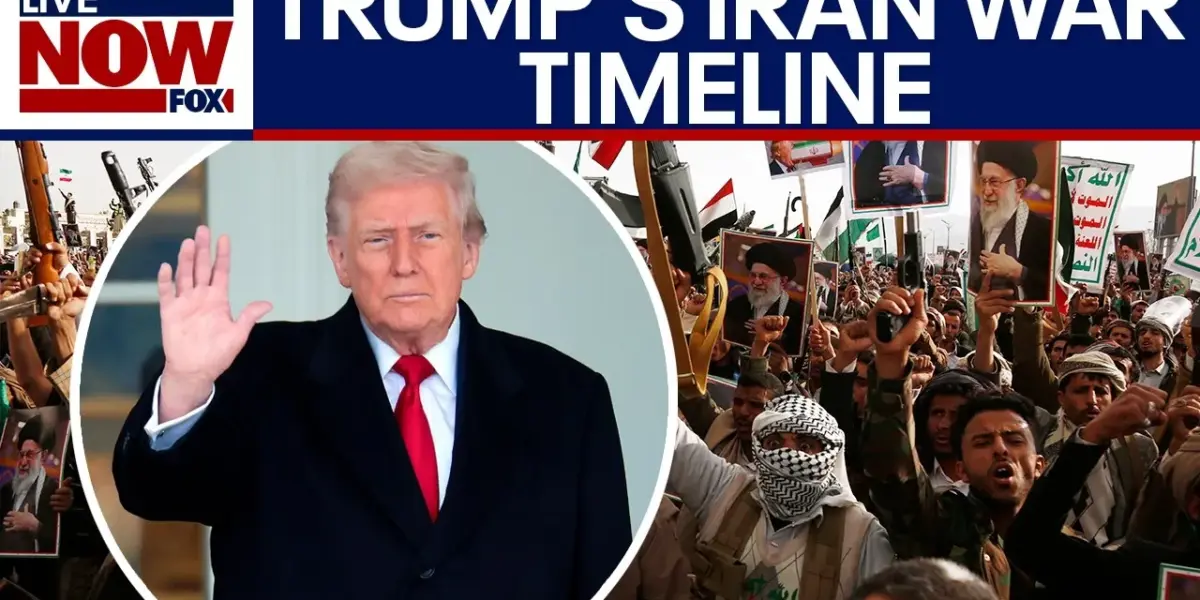
The White House has stated that the United States’ timeline for potential military action against Iran remains in place, even as diplomatic efforts to avoid further escalation continue. This comes more than five weeks after the launch of Operation Epic Fury. While President Trump is reportedly seeking to negotiate with regional powers, the Pentagon is preparing for possible ground troop deployments.
Iran’s Actions and Potential US Targets
Iranian forces have recently targeted critical infrastructure in the region. Missiles struck water and electrical plants in Kuwait, and an oil refinery in Israel. These actions have led to calls for a stronger response. “This is not time to pull back,” one commentator stated. “We need to take down this system entirely.”
Despite these provocations, President Trump has indicated that negotiations with Iran are progressing positively, with a potential deal being finalized soon. However, if diplomatic efforts fail, Iran’s energy infrastructure, including facilities on Car Island, could become targets. The administration has warned that if Iran rejects this “golden opportunity,” the U.S. military is prepared to take further action to ensure the regime faces consequences. This includes the presence of thousands of U.S. Marines, Army paratroopers, Navy SEALs, and Army Rangers in the region.
Pentagon’s Ground Operation Plans
Reports suggest the Pentagon is preparing for weeks of ground operations in Iran, focusing on targeted raids rather than a full-scale invasion. “Quite frankly, the United States is in a very strong position,” a source commented. “There’s nothing that should be given in order to get them to agree to end the hostilities.”
Trump’s Ultimatum and Diplomatic Track
President Trump has set a deadline, now extended to a week from today, for Iran to demonstrate its commitment to ending hostilities and reopening the Strait of Hormuz. He recently posted on social media, stating that significant progress has been made. However, he warned that if a deal is not reached shortly, particularly if the Strait of Hormuz remains closed, the U.S. would “completely obliterat[e] all of their electric generating plants.”
Maximum Pressure and Behind-the-Scenes Talks
White House correspondent Trevor Honeyut explained the current situation as a “maximum pressure” campaign. This involves ongoing bombing operations and the threat of extending attacks to civilian infrastructure. Simultaneously, a diplomatic track is active, with conversations happening, possibly through intermediaries, to reach a deal.
Honeyut highlighted the importance of understanding the timeline. While military operations might end in two to four weeks, the diplomatic process could extend beyond that. The U.S. could claim victory based on achieving objectives, such as influencing Iran’s nuclear program, even if other activities continue.
The Role of Pakistan and Negotiation Dynamics
Pakistan is playing a key role as a mediator in the negotiations. This involves more than just relaying messages; Pakistan can help shape outcomes by informing each side about the other’s willingness to compromise. These behind-the-scenes conversations are crucial and differ significantly from public posturing.
For observers, a key indicator of progress is a decrease in hostility. This would include Iran allowing more ships through the Strait of Hormuz and the U.S. halting bombing raids. The continued violence suggests that a diplomatic breakthrough has not yet occurred.
Israel’s Position and Potential Influence
Israel, while a critical player, is not directly involved in the current negotiations. Officials and analysts, including those from Israel, have expressed a different perspective on the desired endgame. Israel plans to observe the developments and may influence President Trump if a deal emerges that does not align with its interests.
Unanswered Questions and Future Escalation
Key questions remain regarding the extent of further escalation the U.S. is willing to undertake. This includes whether civilian energy infrastructure and desalination plants will be attacked, or if such threats are primarily for posturing. Additionally, the specific concessions the U.S. is prepared to make in negotiations are still unclear. The pressure to reopen the Strait of Hormuz and mitigate global economic impacts remains a significant factor.
Source: Middle East update: White House says Iran war timeline remains in place (YouTube)

Related Articles

US Forces Unleash Lethal Power in Operation Epic Fury
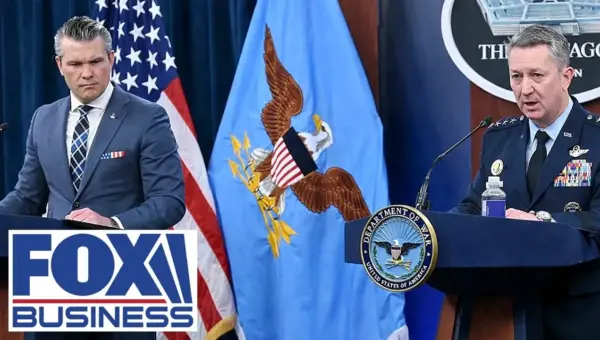
Operation Epic Fury showcases heightened U.S. military readiness and decisive action against Iran. Troops exhibit remarkable competence and urgency, supported by a robust defense industrial base. The operation aims to dismantle Iran's military capabilities, with a focus on rapid strikes and strategic degradation.


Zelenskyy Outmaneuvers Trump on Global Stage
Ukrainian President Zelenskyy is forging new defense and energy partnerships in the Middle East while strengthening European ties. This strategic diplomacy aims to secure Ukraine's future and counter Russian aggression, offering expertise in drone warfare. These moves come as former U.S. President Trump's policies are seen by some as benefiting Russia, creating a complex global security environment.

Rubio Sparks NATO Debate After Iran Conflict
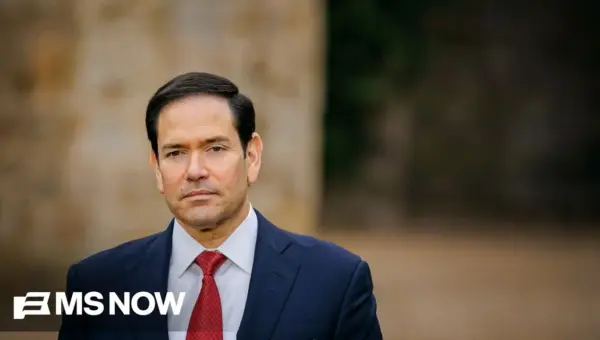
Senator Marco Rubio has sparked a debate on the future of NATO, calling for a U.S. re-evaluation of the alliance after the recent conflict with Iran. Critics argue Rubio's stance contradicts his past positions, while former diplomats defend NATO's historical support for the U.S. and express concern over the current state of American diplomacy.