GOP Slams Trump’s ‘Chaotic’ Iran Strategy as War Risk Grows
President Trump's Iran strategy is facing backlash from GOP critics who call it "chaotic" and warn of a potential "quagmire." Conflicting statements on military action and diplomacy, coupled with low public support and economic gains for Iran, raise concerns about the administration's objectives and the risk of prolonged conflict.

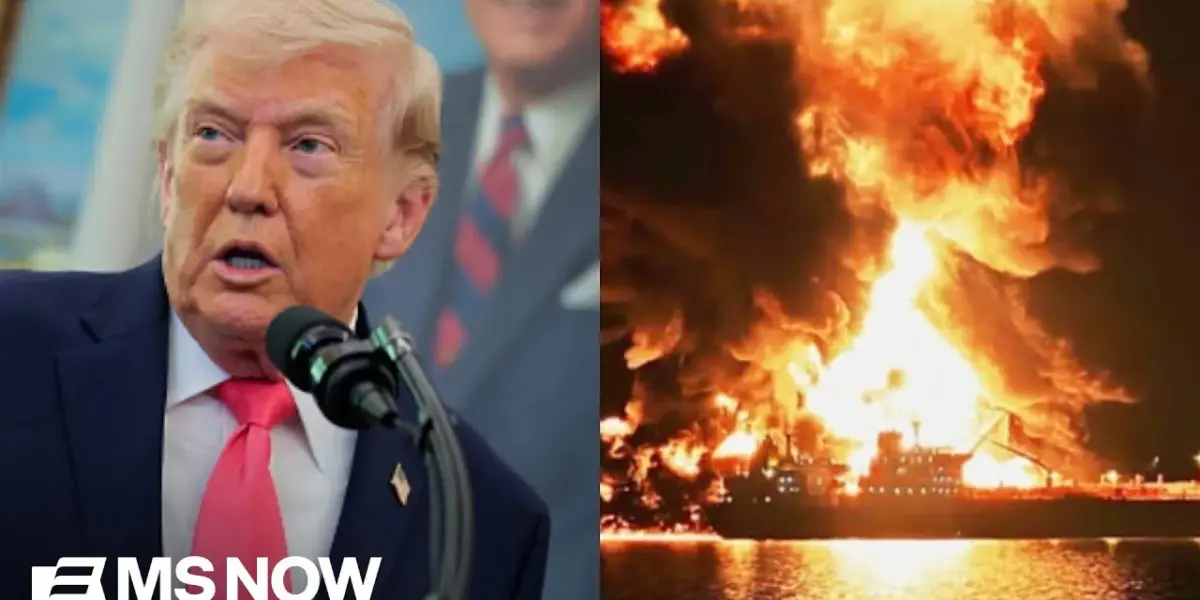
GOP Critics Decry Trump’s Iran Policy as ‘Chaotic’ and ‘Quagmire’
President Trump’s approach to Iran is facing sharp criticism from within his own party, with some Republicans labeling his strategy “chaotic” and warning of a looming “quagmire” just one month into escalating tensions. The concerns highlight a growing risk of wider conflict, a sentiment echoed by prominent commentators and conservative outlets.
Conflicting Signals on Iran Strategy
A key point of contention is the President’s seemingly contradictory public statements regarding Iran. In one instance, Trump told the Financial Times that taking Iranian oil fields, potentially including “Karg Island,” was a “favorite thing” and that U.S. troops might need to remain there for an extended period. This statement suggested a significant escalation and prolonged military engagement.
However, just days earlier, Trump had described negotiations with the Iranian regime as “reasonable” and indicated progress. “We are negotiating with them directly and indirectly,” he stated, adding, “Frankly, they’ve been very reasonable.” This juxtaposition of aggressive military threats and conciliatory diplomatic language has left many observers confused about the administration’s actual objectives and plans.
“He doesn’t have control. The lid has been blown off on Iran now and the countries in the region are being threatened.”
Expert Calls Strategy ‘Mayhem’
Paul Rykoff, a national security and political analyst, described Trump’s approach as “vintage president mayhem.” Rykoff suggested that while the President’s actions might appear strategic, they lack clear planning and control. “What’s clear is he doesn’t have control,” Rykoff stated, adding that the situation has become volatile, with regional countries feeling threatened and public outrage growing.
Historic Low Public Support for War
The analysis further points to a significant disconnect between the administration’s actions and public opinion. Reports indicate that only 12% of Americans support the current military actions in the region, a historically low figure. Rykoff emphasized the potential negative impact of this low support on the morale and standing of American troops.
“The American military has been like the last bastion of respect in America, and he is blowing that apart every day with his culture war,” Rykoff commented. He warned that this could erode trust not only within the United States but also globally regarding American military effectiveness and objectives.
Economic Repercussions and Iran’s Gains
Beyond the geopolitical and military concerns, the economic consequences of the conflict are also coming under scrutiny. Contrary to expectations, Iran appears to be benefiting economically from the heightened tensions and subsequent military actions. Reports suggest Iran is earning nearly twice as much from oil sales daily compared to before the U.S. and Israeli bombing campaigns began.
This economic resilience, coupled with rising gas prices in the U.S. (up almost a dollar per gallon), has led to criticism that Iran is winning the “energy war.” The speaker of Iran’s parliament has reportedly mocked President Trump’s attempts to manipulate the stock market, suggesting Iran holds significant leverage over the global economy.
Enemies Celebrating, Global Order Weakened
The current situation is seen by critics as strengthening America’s adversaries. Rykoff noted that enemies are celebrating and that global powers like China are likely observing with satisfaction as the U.S. expends resources and faces potential entanglement in a prolonged conflict.
The prospect of deploying troops on the ground, or “boots on the ground,” is particularly concerning. With approximately 50,000 American troops already in the region facing daily threats from rocket and drone attacks, the risk of escalation is significant. The cost of such deployments, in terms of personnel and resources, remains an unanswered question from the administration.
Military Challenges of Occupation
From a military perspective, the idea of landing thousands of troops within Iran, or occupying strategic locations like Karg Island, presents immense challenges. American bases across the region are already under attack, and casualties have been sustained. Placing troops in close proximity to Iranian forces, especially in contested areas like Karg Island, would drastically increase their vulnerability.
While taking a location might be militarily feasible, holding and defending it against persistent attacks is a far greater challenge. The comparison to the Iraq War is often drawn, where capturing territory was easier than securing it long-term against insurgent tactics. Critics argue that Iran could seek to “bleed” American forces through sustained, low-level attacks, betting that domestic and international support for a prolonged war will eventually erode, leaving U.S. troops in a dangerous and unsustainable position.
Looking Ahead
As tensions continue to rise, the focus remains on whether the Trump administration can clarify its strategy, garner domestic support, and avoid a costly and protracted conflict. The coming weeks will be critical in determining the trajectory of U.S.-Iran relations and the stability of the wider region.
Source: ‘Warmonger’: GOP rips Trump’s ‘unpopular’ war & ‘chaotic’ strategy as ‘quagmire’ looms 1 month in (YouTube)

Related Articles

Gulf Allies Urge Trump to Continue Iran Conflict
U.S. allies in the Persian Gulf are urging President Trump to intensify military action against Iran, believing Tehran has not been sufficiently weakened. The ongoing conflict raises concerns about regional stability and global energy prices, while questions linger about the administration's long-term strategy.
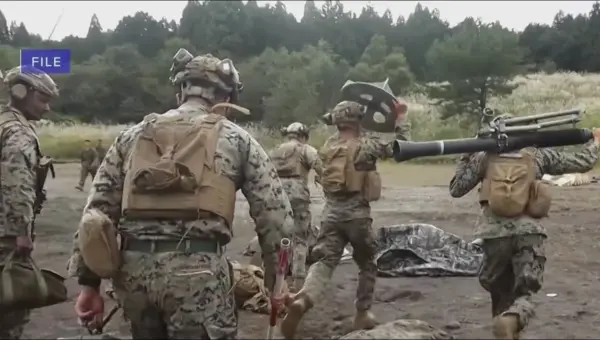
US Weighs Troop Deployment Amid Iran Deal Push
The U.S. is considering deploying ground troops to Iran while simultaneously pushing for a diplomatic deal to reopen the Strait of Hormuz. Air strikes are ongoing as President Trump increases pressure on Iran.

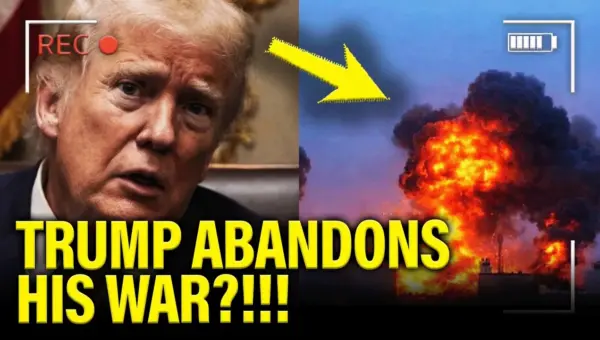
Trump’s Iran War Falters, Retreat Looms Large
Reports indicate a potential shift in the Trump administration's strategy regarding Iran, moving from ambitious military goals to a possible withdrawal. This pivot raises questions about effectiveness, regional stability, and the evolving nature of modern warfare.