NDP Convention Chaos Goes Viral, Sinking Comeback Hopes
The 2026 NDP leadership convention in Winnipeg was intended as a comeback moment but instead became a viral sensation due to internal disputes over equity cards and speaking order. Clips of the chaos overshadowed policy discussions, leading to widespread mockery online and damaging the party's image as it seeks to regain relevance and electoral success.

NDP Convention Chaos Goes Viral, Sinking Comeback Hopes
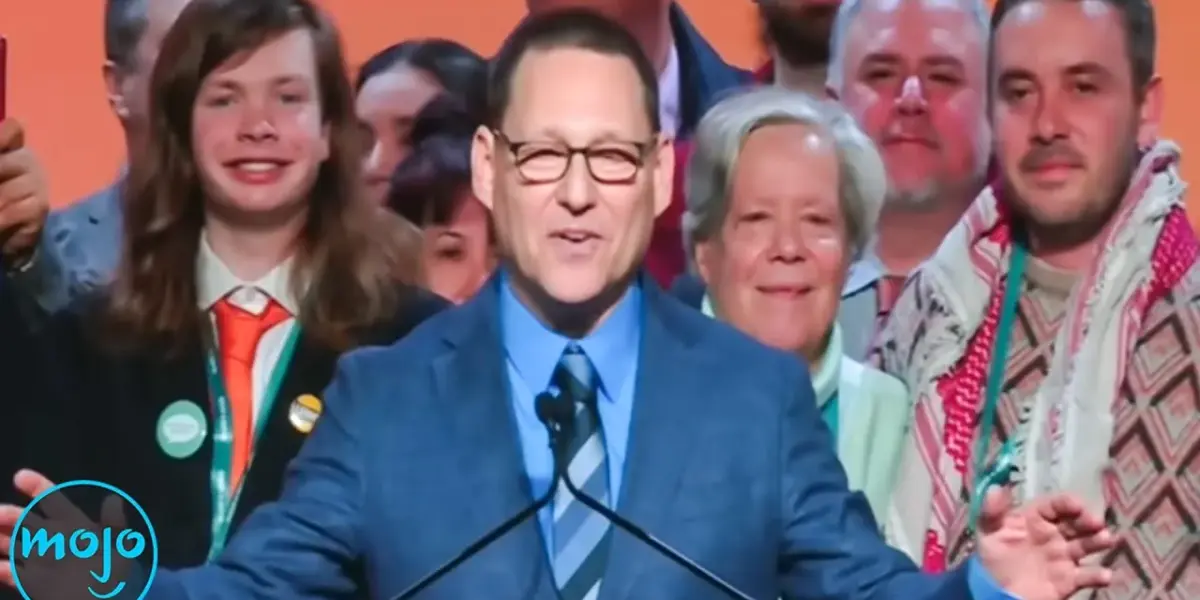
The 2026 New Democratic Party (NDP) leadership convention in Winnipeg was meant to be a fresh start. Instead, it became an internet sensation for all the wrong reasons, leaving the party’s comeback hopes in serious doubt. Clips from the convention floor, filled with disputes over speaking order and identity cards, exploded online, overshadowing any policy discussions or leadership messages.
A Convention Meant for Rebuilding
Held from March 27th to 29th, 2026, at the RBC Convention Centre in Winnipeg, the federal NDP convention was supposed to be a pivotal moment. Delegates were there to choose a successor for Jagmeet Singh, debate party policy, and chart a new course after a devastating loss in the 2025 federal election. The party had been reduced to single-digit seats, losing its official party status. Entering 2026, the NDP was battered, broke, and polling poorly. This convention was more than just a leadership race; it was seen as a political emergency meeting.
Online Firestorm Erupts
However, the convention quickly devolved from serious political debate to viral internet content. Instead of polished speeches about crucial issues like affordability, what started circulating online were heated arguments. Delegates clashed over the use of equity cards, the order in which people could speak, and complex identity categories. These procedural disputes, meant for internal party use, were stripped of context and amplified across social media platforms like X, Instagram, and Reddit.
One widely shared clip showed a delegate holding a green gender equity card being challenged by another delegate with a pink race equity card. This led to a debate where it was argued that cards for Black women “have no value outside of this space.” Another viral moment captured a delegate being applauded for an anti-war speech, only for the focus to immediately shift to a correction about misgendering the non-binary speaker chair. The speaker politely asked delegates to use “they, them, and their” pronouns and to refer to them as “chair” instead of “Madame Chair” or “Madame President.” These moments, intended for internal discussion, became fodder for online mockery.
From Political Event to Content
The internet’s reaction was swift and brutal. Outrage machines clipped, memed, and mocked the footage, turning the NDP convention into a spectacle. The Toronto Sun declared, “Canada is cooked,” comparing the situation to a skit on Saturday Night Live. The damage spread beyond Canada, with U.S. and international posts laughing at the NDP, calling the party “unhinged” and the convention a “madhouse.” Outsiders, especially Americans, encountered the clips with no context, viewing the convention as a bizarre political theme park or a display of overmanaged virtue signaling.
The core problem wasn’t that the NDP discussed important issues like inequality, inclusion, Indigenous representation, LGBTQ+ rights, or anti-war politics. These are vital topics for any left-wing party. The issue, as critics pointed out, was the delivery. When political messages are delivered in a way that seems insular, procedural, and self-consuming, they can alienate potential supporters. The viral clips made the party appear disconnected from the political middle, focusing more on internal procedures than on the everyday concerns of most Canadians.
“Eat the Rich” Rhetoric Backfires
Leadership candidate Rob Ashton’s fiery “eat the rich” rhetoric, which might have resonated with committed delegates, was easily twisted when taken out of context and blasted across social media. Critics argued that such language, while perhaps intended as movement jargon within the party, became easy ammunition for those who already believe the NDP speaks only to itself. The message seemed less about policy and more about a niche ideology, reinforcing the perception that the party was out of touch.
Perception Problem Intensifies
The NDP convention didn’t just have an awkward weekend; it reinforced the exact perception problem the party could least afford. At a time when it desperately needed to appear disciplined, broad-based, and ready to govern, the most visible clips made it look insular, hyper-ideological, and disconnected. Many Canadians watching the footage likely asked themselves: Do these people look like they’re trying to run a country, or just a subculture? This perception is incredibly damaging when trying to win over voters outside the party’s core base.
Avi Lewis Takes the Helm Amidst Controversy
By the end of the weekend, filmmaker and political activist Avi Lewis was elected leader on the first ballot with 56% of the vote, defeating Heather McFersonen. In his victory speech, Lewis emphasized party unity, stating, “Even more important than the results of this leadership vote is the unity of our party.” Officially, the NDP wanted to project a message of a new leader, a fresh mandate, and the start of a comeback. Lewis declared, “We are building a new foundation for our party and we are ready to come roaring back on the Canadian political stage.”
However, the political reality was different. The convention became viral for the worst possible reason: it looked absurd to people outside the room. Adding to the confusion, after all the focus on identity politics, the party elected a straight white man as its leader. This choice, coupled with the earlier controversies, left many questioning the party’s direction. An Abacus Data survey revealed that over half of respondents felt the NDP was not relevant. Immense challenges lie ahead for Lewis, including a deeply indebted party and the daunting task of reversing the NDP’s electoral fortunes.
A Blooper Reel for the Internet
In Winnipeg, the NDP aimed for a comeback but instead handed the internet a blooper reel. When a political event becomes a viral spectacle, everything gets harder: winning over skeptics, selling ideas, and convincing people you’re ready for the national stage. In today’s age of instant online sharing, when optics go off the rails, the message often gets dragged down with them. Modern politics means you’re not just talking to the room; you’re talking to the country, your critics, and the internet. If all they remember is the spectacle, then the spectacle becomes the story.
Source: What Actually Happened At the NDP Convention 2026 (YouTube)

Related Articles

Blogger’s Trip Accidentally Reveals Russian Air Defense Location
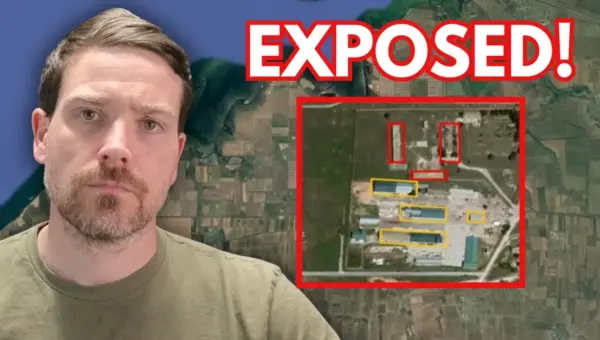
A Russian blogger's social media video, intended to show support for soldiers, inadvertently revealed the location of a Crimea air defense unit. Investigators used the video, satellite imagery, and other public data to pinpoint the site, demonstrating the power of open-source intelligence in modern conflicts.


Tech Giants Face Jury Verdicts on Youth Harm
Tech giants YouTube and Meta have been found liable by a California jury for creating addictive platforms that harm young users. This landmark verdict, alongside a significant New Mexico ruling against Meta for failing to protect children, challenges the long-held legal protections like Section 230. Experts believe these cases signal a new era of accountability, focusing on platform design rather than just user content.

Schools Sue Big Tech Over Student Mental Health Crisis
The Los Angeles Unified School District is suing major social media companies, alleging their platforms harm students and disrupt classrooms. The lawsuit highlights issues like cyberbullying, anxiety, and exposure to harmful content, seeking greater accountability from tech giants.