FBI: Michigan Synagogue Attack ‘Hezbollah-Inspired’
The FBI has concluded that the March 12th attack on Temple Israel in Michigan was inspired by Hezbollah. Investigators detailed the attacker's radicalization process, online activity, and meticulous planning, which included extensive research and the acquisition of weapons and gasoline. Despite the clear ideological motivation, authorities have found no evidence of co-conspirators or an ongoing threat to the community.

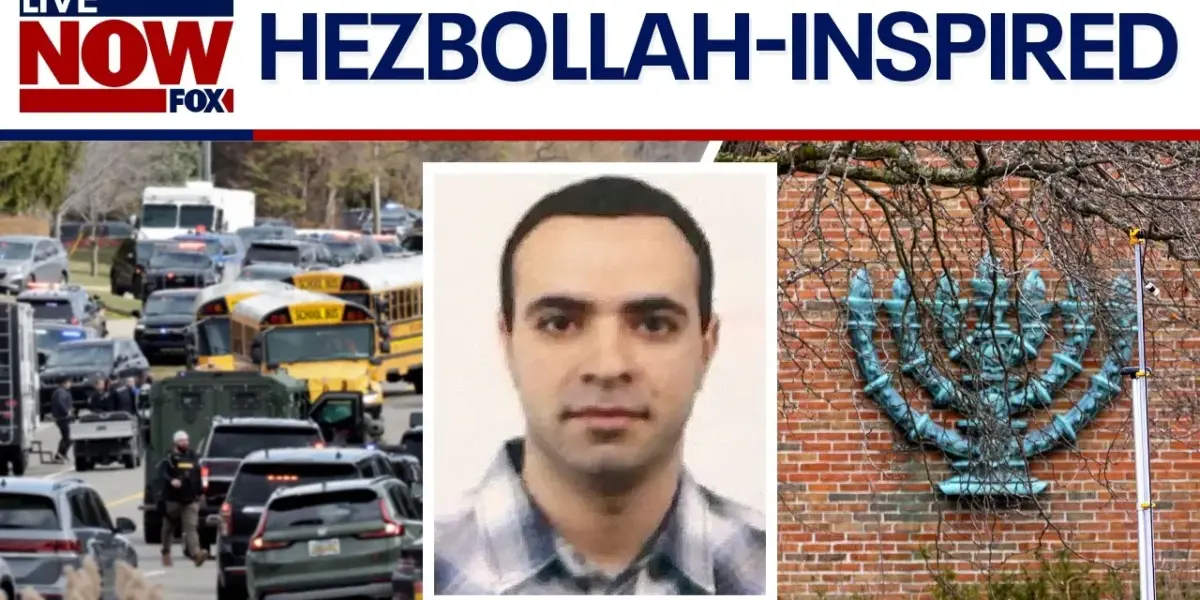
FBI Links Michigan Synagogue Attack to Hezbollah Ideology
The FBI has determined that the March 12th attack on Temple Israel in West Bloomfield, Michigan, was an act of terrorism inspired by Hezbollah. This finding comes after a thorough investigation involving hundreds of interviews and the analysis of extensive digital and forensic evidence. The attacker, who died during the incident, showed a clear pattern of radicalization and intent to harm the Jewish community.
Investigative Details Uncover Attacker’s Radicalization
According to FBI Special Agent in Charge Jennifer Renan, the investigation involved a wide range of specialists working around the clock. Despite the attacker’s attempts to erase his digital footprint, investigators recovered crucial online activity dating back to January 2023. This included regular consumption of pro-Hezbollah and Iranian news, as well as videos about shootouts and militant ideology. The attacker also followed statements from Hezbollah’s Secretary General, Naim Kasim, and viewed content about a fatwa for jihad against U.S. military forces.
Timeline of Attack Planning Revealed
The evidence shows the attacker’s planning intensified around March 9th. He began researching local synagogues online and attempted to purchase a weapon. After being denied by two individuals, he purchased an AR-style rifle, multiple magazines, and hundreds of rounds of ammunition. He also ordered large water containers, later found to be filled with gasoline, and researched local fireworks vendors. Throughout March 9th and 10th, he extensively researched Jewish cultural, educational, and religious centers in the Detroit metro area, including Temple Israel and its upcoming events.
Propaganda and ‘Vengeance’ Album Highlight Motive
On March 11th, the day before the attack, the attacker created a Facebook photo album titled “Vengeance.” This album included images of prominent Hezbollah and Iranian figures, along with phrases like “burn their world for we have a vendetta against them.” He also posted photos of deceased family members and exchanged messages with his family. Later that day, he organized his truck, filling gas containers and purchasing torch lighters, believed to be used to ignite the vehicle. He continued to post pro-Hezbollah propaganda and videos, including a statement from Hezbollah about a military operation referred to as “Elas El Makul,” meaning the destruction of the enemy.
Final Communications Reveal Intent to Kill
In the hours leading up to the attack on March 12th, the attacker sent his sister numerous videos and messages reiterating his intent to commit a mass terrorist attack. These communications included statements of commitment to violent action, references to martyrdom, and explicit threats to attack the largest gathering of Israelis in Michigan. One video showed him in his car, listening to Arabic anthems with themes of resistance, displaying his weapon, and stating, “We rely on God.” Another video featured Hezbollah leader Naim Kasim stating listeners have a choice between victory or martyrdom.
“This is the largest gathering of Israelis in the state of Michigan, in the United States. I have booby trapped the car. I will forcibly enter and start shooting them. God willing, I will kill as many of them as I possibly can.”
Attacker’s statement to his sister before the attack
‘Special Operation’ and Attack Details
In a final series of messages sent approximately 10 minutes before the attack, the attacker recorded himself stating his intention to commit a “special operation” to kill as many people as possible at the “largest gathering of Israelis in the state of Michigan.” He explicitly stated, “I have booby trapped the car. I will forcibly enter and start shooting them.” The attacker then drove his vehicle into Temple Israel, ramming the doors twice before speeding down the hallway. Gunfire was exchanged with security guards before the vehicle caught fire. The FBI estimates approximately 35 gallons of gasoline were used to enhance the fireworks, intended to cause maximum damage.
No Evidence of Co-conspirators or Wider Threat
Despite the clear Hezbollah-inspired motivation, the FBI stated there is no evidence of co-conspirators or any current, active threat to the community at this time. The attacker was not previously the subject of an FBI investigation, nor was he on the terrorist watch list. There was no evidence of prior physical surveillance at Temple Israel. U.S. Attorney for the Eastern District of Michigan, Jerome Gorgon, emphasized that if the attacker had lived, he would have been charged with providing material support to Hezbollah. He clarified that acting on Hezbollah’s propaganda and heeding their call to violence constitutes material support under federal law.
Community Response and Future Vigilance
Local law enforcement and community leaders expressed gratitude for the swift response of Temple Israel’s security and staff, which helped ensure no additional fatalities. West Bloomfield Police Chief Dale Young affirmed the community’s unwavering commitment to protecting its Jewish residents and all members. While the investigation into this specific incident is ongoing, officials stressed continued vigilance and collaboration with federal partners to prevent future attacks. The FBI continues to monitor for any potential threats, though none are currently assessed as specific or credible.
Source: FBI: Michigan synagogue attack 'Hezbollah-inspired' attack (YouTube)

Related Articles
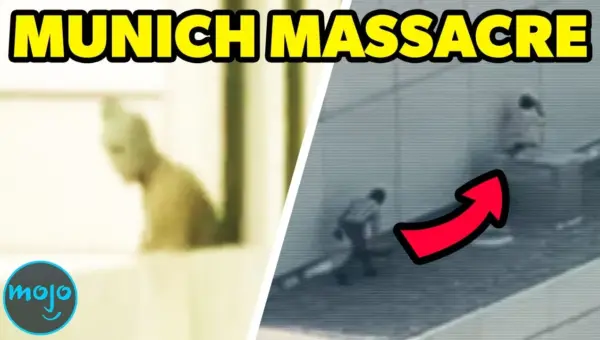
Munich ’72 Olympics: Terror’s Darkest Hour
The 1972 Munich Olympics, meant to showcase peace, became a scene of horror when Black September terrorists killed 11 Israeli athletes. This tragic event exposed security flaws and marked a turning point in global terrorism.
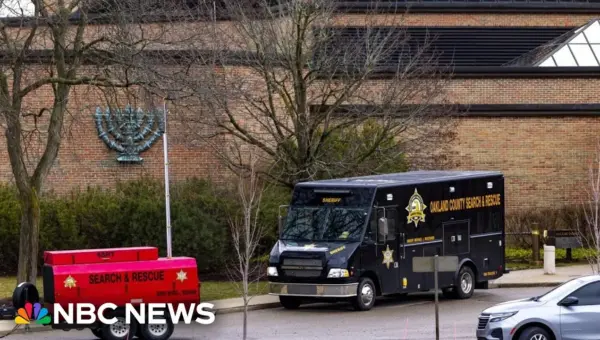
FBI: Michigan Synagogue Truck Attack Was Hezbollah-Inspired Terrorism
The FBI has classified the March truck ramming attack on a Michigan synagogue as a Hezbollah-inspired act of terrorism. The attacker, who died by suicide during a shootout with security, sent disturbing messages before the assault, expressing intent to kill as many Jewish people as possible. The investigation revealed his radicalization was fueled by family losses in Lebanon and exposure to extremist media.
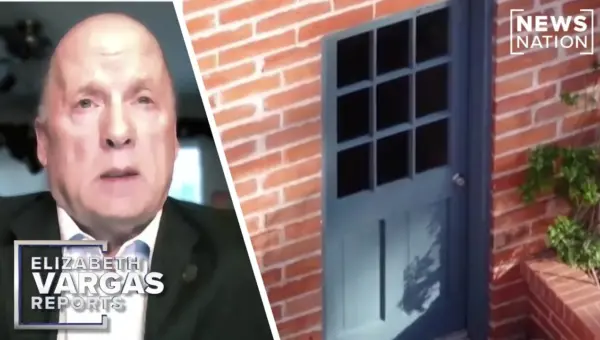
FBI Expert: Back Door Was Entry, Not Exit in Nancy Guthrie Case
A former FBI agent suggests the back door of Nancy Guthrie's home was an entry point, not an exit, indicating multiple perpetrators. The brother's military background and Savannah Guthrie's interview are key points of analysis in the ongoing investigation.