US Forces Deploy to Middle East Amid Iran Tensions
U.S. troops have arrived in the Middle East, signaling a serious escalation in tensions with Iran. Experts discuss the high risks of potential military actions, such as seizing Kharg Island or recovering nuclear material, and the difficult strategic choices facing both nations.

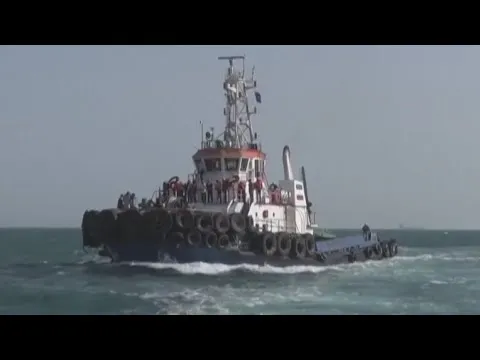
US Troops Arrive in Middle East, Signaling Heightened Iran Standoff
The recent arrival of 82nd Airborne troops in the Middle East signals a significant escalation in the standoff between the United States and Iran. This deployment suggests the U.S. is preparing for a range of potential actions, raising questions about the strategy and the risks involved.
Assessing the Risks of Military Options
Retired Vice Admiral Robert Harward, a former Deputy Commander of CENTCOM, explained that any military operation must consider the desired end goal. One option discussed is taking control of Iran’s Kharg Island, a major oil export facility. However, Harward noted that shutting down Iranian oil exports can be achieved in many ways without such a risky move.
If the goal is to encourage internal change within Iran, then operations like seizing Kharg Island might be considered. But Harward pointed out that other locations could be used for a show of force, potentially with less risk. These might involve placing U.S. troops on the ground in areas where they might be welcomed by the local population, hinting at a longer-term strategy for regime change.
The primary risk in any of these operations is U.S. casualties. Harward stressed that the decision to act must be tied to a clear objective, such as ensuring freedom of navigation through the Strait of Hormuz, a vital shipping lane. He suggested that a political settlement, where Iran agrees to halt its nuclear program and ballistic missile development while allowing free shipping, would be the most appropriate solution.
Iran’s Strategic Dilemma
However, such a political solution leaves Iran vulnerable in the long run. Harward described a difficult situation where both sides seek solutions that neither can fully accept. For the Iranian regime, regime change is seen as a major threat, and they view President Trump as the biggest obstacle to their goals.
The regime’s strategy might involve trying to outlast President Trump. Harward believes time is not on Iran’s side. He suggested that as Iran’s military capabilities, like its missile forces and navy, are weakened, the regime faces increased risk not only from external actions but also from its own population seeking change.
The Challenge of Recovering Nuclear Material
Another potential operation discussed involves recovering uranium from within Iran. This presents extreme challenges. Bryan Stern, a former Special Forces operative, described the difficulty of fighting into heavily fortified mountain complexes to reach such materials. Extracting 1,000 pounds of radioactive material and getting out safely would be a very tough mission.
Harward agreed that operations inside Iran carry extremely high risks. The vast population makes it hard to distinguish friend from foe, and there are Iranian armed forces and bases to consider. While these operations might be within U.S. capabilities, they are definitely high-risk and would involve significant concessions from both sides.
Deciding if the Risk is Worth It
The crucial question is how to determine if the risk is worth the potential reward. Harward indicated that if the end goal is to obtain specific materials, then assessing the regime’s ability to project power becomes important. The decision involves weighing the potential gains against the significant human and strategic costs.
Global Impact
This heightened military posture in the Middle East directly impacts global energy markets, particularly oil prices, due to the Strait of Hormuz’s importance. It also affects international diplomacy, potentially drawing other nations into the U.S.-Iran dispute. The threat of conflict in a region vital for global trade and energy supply creates widespread economic and political uncertainty.
Historical Context
The current tensions echo historical patterns of U.S.-Iran relations since the 1979 Islamic Revolution. Past incidents, such as the seizure of American hostages and subsequent military standoffs, have shaped the mistrust. The U.S. has historically sought to curb Iran’s nuclear ambitions and regional influence, while Iran views these actions as external interference.
Economic Considerations
Economic factors play a crucial role. U.S. sanctions aim to cripple Iran’s economy and pressure its government. Iran’s ability to control shipping through the Strait of Hormuz gives it significant economic leverage, which it has threatened to use in response to perceived aggression.
Future Scenarios
Several future scenarios are possible. A diplomatic breakthrough could de-escalate tensions. Alternatively, miscalculation could lead to direct military conflict, with unpredictable consequences for the region and the world. A prolonged period of heightened tension and proxy conflicts is also a likely outcome.
Source: 82nd Airborne Troops arrive in Middle East | NewsNation Live (YouTube)

Related Articles


Gulf Allies Urge Trump to Continue Iran Conflict
U.S. allies in the Persian Gulf are urging President Trump to intensify military action against Iran, believing Tehran has not been sufficiently weakened. The ongoing conflict raises concerns about regional stability and global energy prices, while questions linger about the administration's long-term strategy.

Jet Fuel Shockwaves: Airlines Warn of Fare Hikes, Flight Cuts
Rising jet fuel prices, driven by conflict in the Strait of Hormuz, are forcing airlines to warn travelers of higher fares and fewer flights. This comes as TSA lines ease, but worker pay remains uncertain, highlighting broader instability.

Middle East Conflict Sends Gas Prices Soaring Past $4
The national average gas price has surpassed $4 per gallon for the first time since 2022, driven by escalating conflict in the Middle East. Recent attacks on oil tankers and military strikes have heightened fears of energy supply disruptions, impacting consumers globally.