Florida Battles NFL Over Coach Hiring Rules
Florida is challenging the NFL's Rooney Rule, which requires teams to interview diverse candidates for coaching jobs. Former NFL star Michael Vick believes the rule is important for fairness and equal opportunity. This debate touches on broader issues of diversity and merit in hiring across industries.

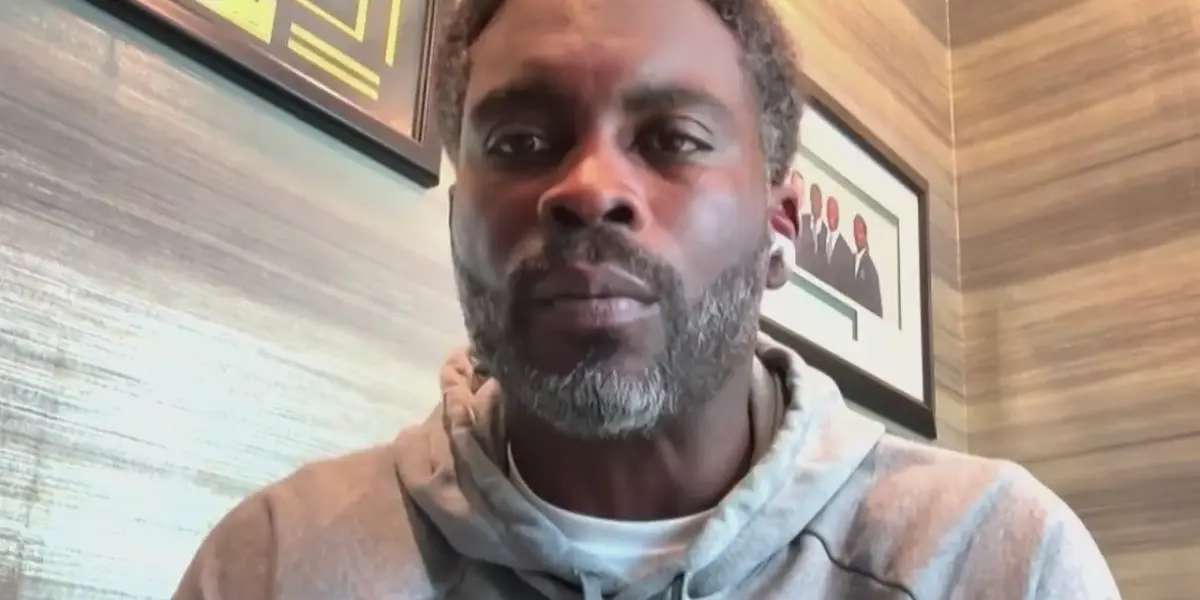
Florida Challenges NFL’s Rooney Rule
A significant debate is brewing in the United States over how professional sports teams hire their coaches. The state of Florida has taken a stand against the National Football League’s (NFL) Rooney Rule. This rule has been in place for years to encourage diversity in hiring. Florida argues the rule violates state law by considering race in hiring decisions.
Understanding the Rooney Rule
The NFL is made up of 32 teams. While Black players make up more than half of the players on NFL rosters, only 3 of the 32 teams currently have a Black head coach. The Rooney Rule was created to address this imbalance. It requires teams to interview minority candidates for top coaching and front office jobs. The goal is to ensure that diverse candidates get a fair chance to be considered.
Florida’s Argument
Florida’s position is clear. The state believes that hiring decisions should be based solely on merit, not race. A statement from Florida officials said, “The NFL’s use of the Rooney Rule violates Florida law by requiring race-based considerations in hiring.” They added that NFL teams and fans care most about hiring coaches who can lead their teams to victory, suggesting that merit is the only factor that should matter.
Michael Vick’s Perspective
Michael Vick, a former NFL star quarterback and now a college coach at Norfolk State University, shared his thoughts. He expressed surprise at Florida’s challenge. Vick emphasized the importance of fairness and equal opportunity in the NFL. “The NFL stands for what it represents, take on do everything in their power to make sure that this is fair and equal for all parties involved,” he stated.
Vick also touched on the NFL Commissioner Roger Goodell’s past comments. Goodell suggested that teams should have the time to make good decisions. He also mentioned that allowing teams to look at diverse candidates benefits the NFL. Vick believes the Rooney Rule, and similar initiatives across industries, are important. He feels it’s time to focus on making sure hiring processes are fair and inclusive everywhere.
Coaching Aspirations
When asked about his own coaching aspirations, Vick spoke about his current focus. He is dedicated to building his team at Norfolk State. He wants to win games and develop his players. Vick said he would love to coach in the NFL when the time is right. He believes in working hard, studying the game, and being the best he can be.
He understands the importance of structure and having the right people in place to win. Vick is currently in a phase of learning and growth as a coach. He stressed that putting the most credible and capable people in leadership positions is key to success.
Global Impact
This dispute in the U.S. professional sports world highlights a larger, ongoing global conversation about diversity, equity, and inclusion in the workplace. Many countries and industries are grappling with similar questions about how to ensure fair representation at all levels. The Rooney Rule, while specific to the NFL, represents a type of affirmative action policy designed to counteract historical biases. Florida’s challenge, however, reflects a growing movement in some regions to restrict such policies, emphasizing a strict merit-based approach.
Historical Context
The discussion around diversity in hiring in professional sports has roots in the Civil Rights Movement and subsequent legislation aimed at preventing discrimination. Policies like the Rooney Rule emerged decades later as a response to the persistent underrepresentation of minorities in leadership roles, despite their significant presence as athletes. The debate echoes past legal battles over affirmative action, where the balance between achieving diversity and ensuring equal opportunity based on individual merit has been a central theme.
Economic Leverage and Future Scenarios
While this specific dispute is about hiring rules, economic factors often play a role in such debates. Teams and leagues operate as businesses, and their success depends on fan engagement and market appeal. Arguments for merit-based hiring often point to maximizing a team’s performance, which can directly impact revenue. Conversely, proponents of diversity initiatives argue that inclusive leadership can broaden a team’s appeal and better reflect its diverse fanbase, potentially leading to greater economic success in the long run.
One possible future scenario is that Florida’s challenge could lead to legal battles that clarify or change how diversity initiatives are implemented in the state, potentially impacting other industries. Another scenario is that the NFL could face pressure to revise or abandon the Rooney Rule, or find alternative ways to promote diversity without direct race-based considerations. A third possibility is that the league could stand firm, leading to ongoing conflict with Florida and potentially other states with similar laws, creating a patchwork of hiring regulations across the country.
Source: Michael Vick reacts as Florida challenges NFL diversity hiring policy | NewsNation Live (YouTube)

Related Articles


Tiger Woods’ Legal Woes Resurface, Sparking DUI Case Questions
Tiger Woods faces a difficult DUI case after his recent arrest where he refused a urine test. His legal history, including a 2017 DUI and a history of surgeries and prescription pain medication, adds complexity. Prosecutors face challenges proving impairment without toxicology results, while the defense may point to his injuries.


Las Vegas Lands Super Bowl 63 in 2029
Las Vegas has been selected to host Super Bowl 63 in 2029, marking its second time hosting the NFL championship game. The city's successful bid follows its well-received hosting of Super Bowl LVIII in 2024. This event underscores Las Vegas's growing status as a major sports destination, with a packed schedule of upcoming events.


Florida Challenges NFL’s Diversity Rule, Sparking Debate
Florida is challenging the NFL's Rooney Rule, which requires teams to interview minority candidates for top jobs. The state argues the rule violates Florida law by considering race in hiring. This legal battle raises questions about merit-based hiring versus diversity initiatives.