Trump Threatens Iran’s Infrastructure, Mulls Seizing Oil
President Trump is issuing mixed signals on Iran, simultaneously pursuing diplomatic talks and threatening to obliterate the nation's civilian infrastructure. The U.S. is also considering seizing Iranian oil and Kharg Island, while Iran denies direct negotiations and calls U.S. proposals unrealistic. The conflict's ripple effects are causing global economic strain, with rising oil prices and escalating tensions in the Middle East.

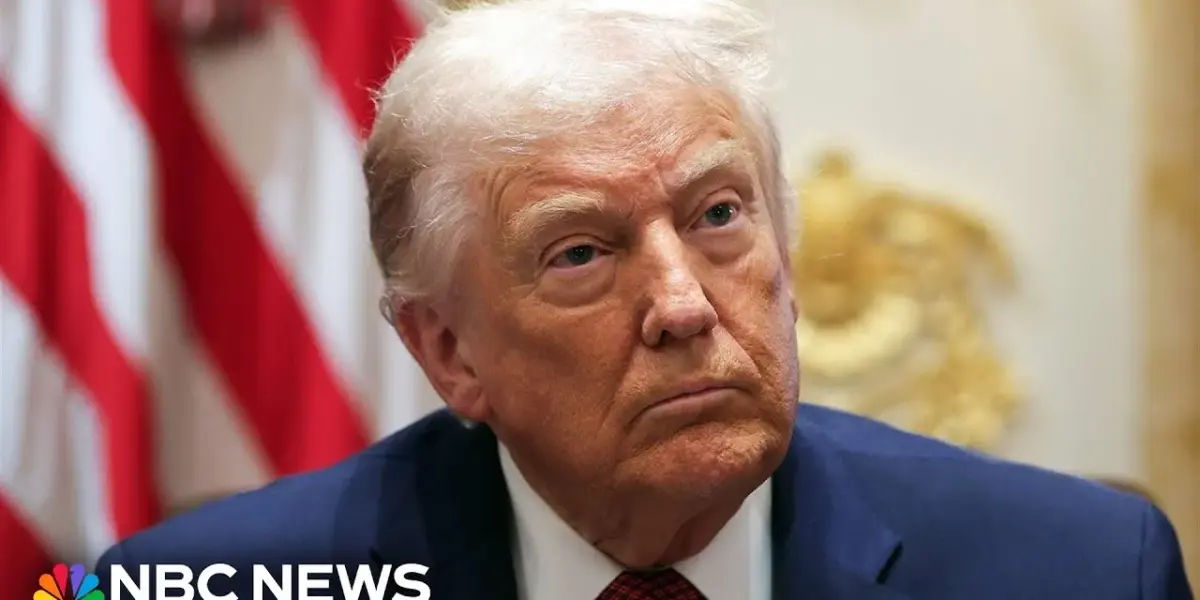
Trump Escalates Threats Against Iran Amidst Diplomatic Uncertainty
President Trump is signaling a dual approach to the ongoing conflict with Iran, simultaneously touting diplomatic progress while issuing stark threats against the nation’s vital infrastructure. In a series of social media posts, Trump announced “serious discussions” with Tehran aimed at ending the war. However, he also warned that if a deal is not reached by his April deadline and the Strait of Hormuz remains closed, the U.S. would “completely obliterate” Iran’s civilian energy and water systems.
These aggressive statements come as President Trump suggested a diplomatic breakthrough could be imminent. Speaking to reporters aboard Air Force One, he expressed optimism about the negotiations, stating, “We’re doing extremely well in that negotiation, but you never know with Iran because we negotiate with them, and then we always have to blow them up.” He indicated a deal might be possible within the upcoming week.
Iran Denies Direct Talks, Calls U.S. Plan Unrealistic
Despite the White House’s assertions of ongoing and fruitful talks, Iran has publicly stated that no direct negotiations have occurred between Washington and Tehran. Iranian officials have dismissed the Trump administration’s 15-point plan to end the war as both “unrealistic and unreasonable.” This stark disagreement highlights a significant gap between the two nations’ public positions.
White House Press Secretary Karoline Leavitt pushed back against Iran’s claims, asserting that the Iranian regime is eager to negotiate. “It’s no surprise that we are seeing the remaining elements of the regime become increasingly eager to end the destruction and come to the negotiating table while they still can,” Leavitt stated. She added that despite public posturing, talks are continuing and progressing well. She warned that if Iran rejects this “golden opportunity,” the U.S. military stands ready to ensure the regime “continues to pay a grave price.”
US Considers Seizing Iranian Oil, Kharg Island
Beyond threats to infrastructure, President Trump has also raised the possibility of seizing Iran’s oil reserves. In an interview with the Financial Times, he stated, “To be honest with you, my favorite thing is to take the oil in Iran.” He suggested that the U.S. could potentially seize Kharg Island, the primary terminal for Iran’s oil exports, responsible for over 90% of the country’s oil shipments.
This idea aligns with Trump’s long-held views on how to conduct foreign policy and wage war. Seizing oil reserves has been a consistent theme in his discussions about conflicts with resource-rich nations. While the specifics of such an operation remain unclear, the concept is deeply rooted in his strategic thinking.
Military Options and Escalating Tensions
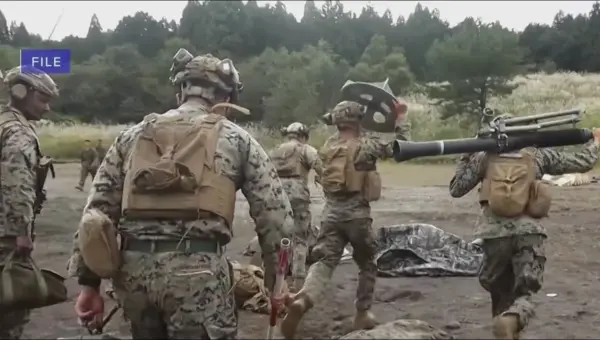
Courtney Kube, NBC News Senior National Security Correspondent, detailed the military options being prepared for the President. These include the possibility of seizing Kharg Island or other Iranian oil infrastructure to cut off revenue, military actions within the Strait of Hormuz, and potentially targeting Iran’s nuclear program. Kube noted that seizing Kharg Island, a five-mile-long island about 20 miles off Iran’s coast, would require significant ground forces and would be extremely dangerous due to the high likelihood of intense Iranian retaliation.
Meanwhile, the conflict continues to impact the region directly. Over the weekend, the Iran-backed Houthi rebel group fired missiles at Israel for the first time. Additionally, an Iranian attack on an American air base in Saudi Arabia injured about a dozen U.S. personnel and damaged aircraft. These incidents underscore the volatile nature of the ongoing conflict and the potential for wider escalation.
Global Ramifications: Oil Prices and Geopolitics
The war’s impact is being felt globally, particularly through rising oil prices. The national average for a gallon of regular gas in the U.S. has climbed to nearly $4, a 34% increase since the war began. Oil prices have settled above $102 per barrel, the first time exceeding $100 since the start of the conflict. Brian Cheung, NBC News Business Correspondent, reported that the markets are reacting to the mixed signals from the administration, with indexes showing volatility.
Raf Sanchez, NBC News International Correspondent, reported from Doha that Ukrainian President Zelenskyy believes Russia is actively sharing intelligence with Iran, providing satellite imagery of U.S. bases in the Middle East. Zelenskyy suggested that Russia benefits from prolonged conflict, as high oil prices increase tax revenue for its war efforts and strain U.S. military resources, potentially diverting missile defense systems away from Ukraine.
Widening Conflict: Lebanon and Red Sea Shipping
Stephanie Gosk, NBC News Senior National Correspondent, reporting from Tel Aviv, highlighted the widening conflict along Israel’s northern border. Israeli Prime Minister Benjamin Netanyahu announced plans to expand ground operations in southern Lebanon, targeting Hezbollah, an Iranian-backed group. This move could lead to increased displacement and instability in Lebanon, a country already facing significant challenges.
Furthermore, the Houthi attacks in the Red Sea pose a threat to another critical shipping lane, the Bab al-Mandab Strait, which leads to the Suez Canal. Any disruption here could create further global economic problems, adding another layer of complexity to the already tense geopolitical situation.
Looking Ahead
As diplomatic channels remain uncertain and military threats escalate, the global economy continues to feel the pressure. The coming weeks will be crucial in determining whether dialogue can de-escalate the situation or if President Trump’s threats of military action will materialize, potentially leading to a wider and more devastating conflict with unpredictable consequences for global energy markets and international stability.
Source: Trump mulls seizing Iran’s Kharg Island despite it being a ‘very dangerous endeavor’ (YouTube)

Related Articles

Gulf Allies Urge Trump to Continue Iran Conflict
U.S. allies in the Persian Gulf are urging President Trump to intensify military action against Iran, believing Tehran has not been sufficiently weakened. The ongoing conflict raises concerns about regional stability and global energy prices, while questions linger about the administration's long-term strategy.

Middle East Conflict Sends Gas Prices Soaring Past $4
The national average gas price has surpassed $4 per gallon for the first time since 2022, driven by escalating conflict in the Middle East. Recent attacks on oil tankers and military strikes have heightened fears of energy supply disruptions, impacting consumers globally.
US Weighs Troop Deployment Amid Iran Deal Push
The U.S. is considering deploying ground troops to Iran while simultaneously pushing for a diplomatic deal to reopen the Strait of Hormuz. Air strikes are ongoing as President Trump increases pressure on Iran.