Iran’s Resilience Challenges US, Israel Military Plans
Geraldo Rivera suggests the U.S. and Israel are underestimating Iran's resilience, warning that military escalation could lead to a prolonged conflict. Amidst rising tensions, Pope Francis calls for peace, while large-scale anti-war protests in the U.S. reflect public war-weariness and impact domestic politics.

Iran’s Resilience Challenges US, Israel Military Plans
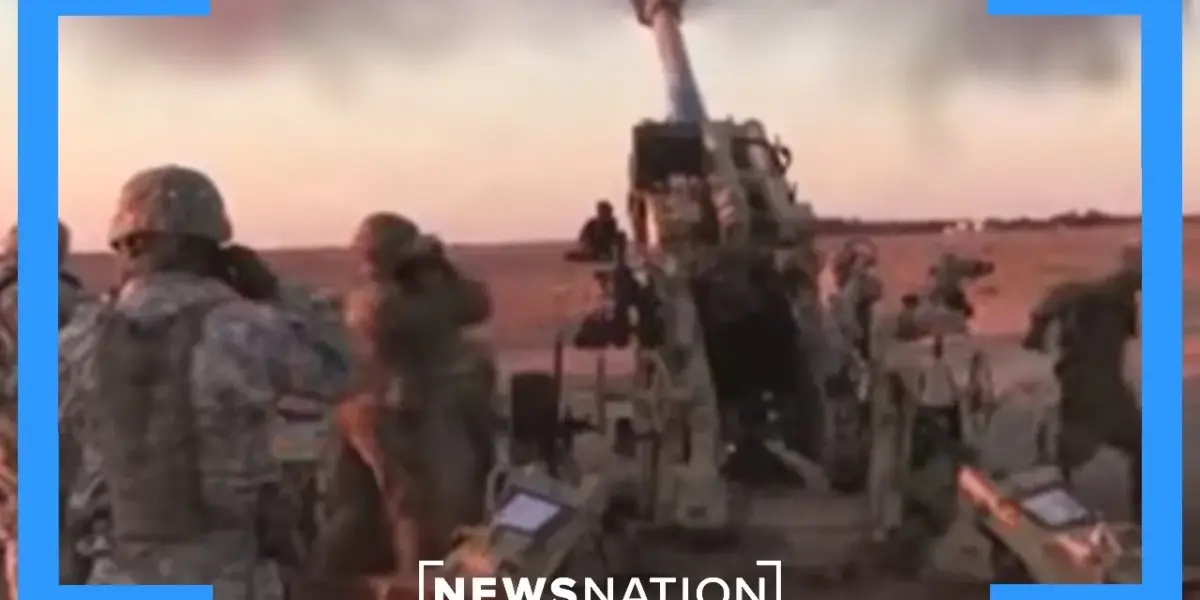
The United States and Israel may be underestimating Iran’s ability to withstand military pressure, according to analyst Geraldo Rivera. While the U.S. military is deploying thousands of troops, including the 82nd Airborne and Marines, to the region, this force is small compared to Iran’s potential military might. Iran has an army of over a million soldiers, which, despite expected U.S. air power advantages, could still pose a significant challenge.
Escalation Risks Loom
Current indicators suggest a potential for escalation rather than a swift resolution. Rivera points to possible U.S. military actions like seizing Kharg Island or securing parts of the Strait of Hormuz. However, he expresses pessimism, believing the situation might worsen before it improves. The deployment of approximately 10,000 U.S. troops, part of a larger force of around 50,000, is seen as insufficient to guarantee an easy victory against Iran’s large military.
Iran’s Capacity to Endure
A key concern is Iran’s proven capacity to endure hardship and suffering. Both the U.S. and Israel have inflicted significant pain on Iran in the past, yet the nation has responded with defiance, famously saying, “Bring it on.” This resilience suggests that military action might not yield the desired results and could lead to a prolonged and costly conflict. The strategic importance of the Strait of Hormuz, a vital waterway for global oil transport, remains a focal point of tension.
Papal Call for Peace Amidst Conflict
Amidst rising tensions, Pope Francis has issued a strong call for peace, rejecting war and those who justify it. He stated that God does not listen to the prayers of those who wage war. The Pope’s message, delivered in an accessible way, could influence public opinion. The Vatican maintains a neutral stance, emphasizing God’s preference for peace over conflict, especially when wars are seen as unnecessary or voluntary commitments leading to immense suffering.
Domestic Politics and Public Opinion
The potential conflict is also playing out against a backdrop of domestic political challenges. In the U.S., President Biden faces low approval ratings, hovering in the low 40s. Large-scale protests, drawing millions of people across the country, have shown a strong public desire for peace. These demonstrations, reminiscent of the anti-Vietnam War protests, indicate a significant level of public engagement and opposition to potential military involvement. The turnout and passion of these peace advocates suggest a potential electoral challenge for incumbents if elections were held soon, potentially mirroring the impact of the abortion issue after Trump’s first inauguration, but possibly even broader in scope.
Shifting Political Alignments
The political landscape shows a notable shift, particularly among demographics that previously supported Donald Trump. Many Gen Xers and others who voted for Trump are now actively participating in peace movements. This indicates a complex political dynamic where traditional party lines may be less rigid, and public sentiment on foreign policy can significantly influence domestic politics. The sustained public outcry for peace highlights the potential consequences of military action on the current administration’s political standing.
Global Impact
The geopolitical situation surrounding Iran has far-reaching implications. A conflict in the Strait of Hormuz could disrupt global oil supplies, causing significant economic instability worldwide. Iran’s resilience, if underestimated, could lead to a protracted regional war, drawing in other powers and further destabilizing the Middle East. The strong domestic opposition in the U.S. to war also adds a layer of complexity, potentially limiting the administration’s options and influencing future foreign policy decisions. The Pope’s intervention underscores the moral and humanitarian dimensions of the crisis, reminding the world of the devastating human cost of war.
Historical Context
The current tensions echo historical patterns of U.S. involvement in the Middle East. Decades of complex relationships, including past interventions and sanctions, have shaped Iran’s current stance. The U.S. and Israel’s consistent focus on Iran’s nuclear program and regional influence has led to a cycle of confrontation. Iran’s historical experience with foreign pressure has likely contributed to its developed capacity to endure and resist external challenges, a factor that appears to be underestimated in current strategic calculations.
Economic Leverage
Economic factors are central to the current standoff. Sanctions imposed on Iran have aimed to cripple its economy and force policy changes. However, Iran has shown an ability to adapt and survive under these pressures. Control over the Strait of Hormuz provides Iran with significant economic leverage, as it can threaten to disrupt oil flows critical to the global economy. Any military action would likely involve attempts to secure or neutralize this choke point, impacting energy markets dramatically.
Future Scenarios
Several future scenarios are possible. One is a diplomatic resolution, though current indicators suggest this is less likely in the short term. Another is a limited military engagement, which could escalate unpredictably. A full-scale conflict, while potentially devastating, might be deterred by the high costs for all parties involved. The most probable scenario, given Iran’s demonstrated resilience and the U.S. public’s war-weariness, could be a prolonged period of heightened tension and proxy conflicts, with intermittent escalations.
Source: U.S., Israel consistently underestimate Iran's capacity to suffer: Geraldo Rivera | NewsNation Live (YouTube)

Related Articles

Gulf Allies Urge Trump to Continue Iran Conflict
U.S. allies in the Persian Gulf are urging President Trump to intensify military action against Iran, believing Tehran has not been sufficiently weakened. The ongoing conflict raises concerns about regional stability and global energy prices, while questions linger about the administration's long-term strategy.

Jet Fuel Shockwaves: Airlines Warn of Fare Hikes, Flight Cuts
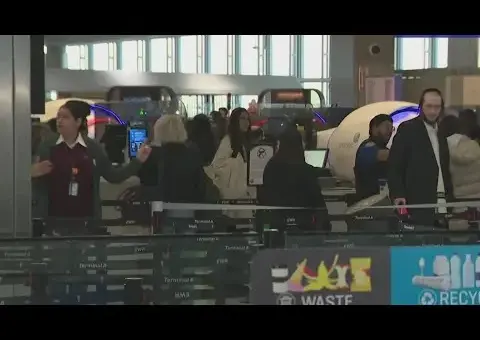
Rising jet fuel prices, driven by conflict in the Strait of Hormuz, are forcing airlines to warn travelers of higher fares and fewer flights. This comes as TSA lines ease, but worker pay remains uncertain, highlighting broader instability.

Middle East Conflict Sends Gas Prices Soaring Past $4
The national average gas price has surpassed $4 per gallon for the first time since 2022, driven by escalating conflict in the Middle East. Recent attacks on oil tankers and military strikes have heightened fears of energy supply disruptions, impacting consumers globally.