Firefighters Battle Blaze, Save Pets in High-Stakes Rescues
Firefighters across the US responded to multiple fast-moving house fires, demonstrating crucial skills in containing blazes and saving lives. From Virginia to California, crews battled intense flames, emphasizing the importance of teamwork, rapid decision-making, and technology in high-risk situations. A heartwarming rescue of two cats in Orange County highlights the dedication to saving all lives, even pets, amidst dangerous conditions.

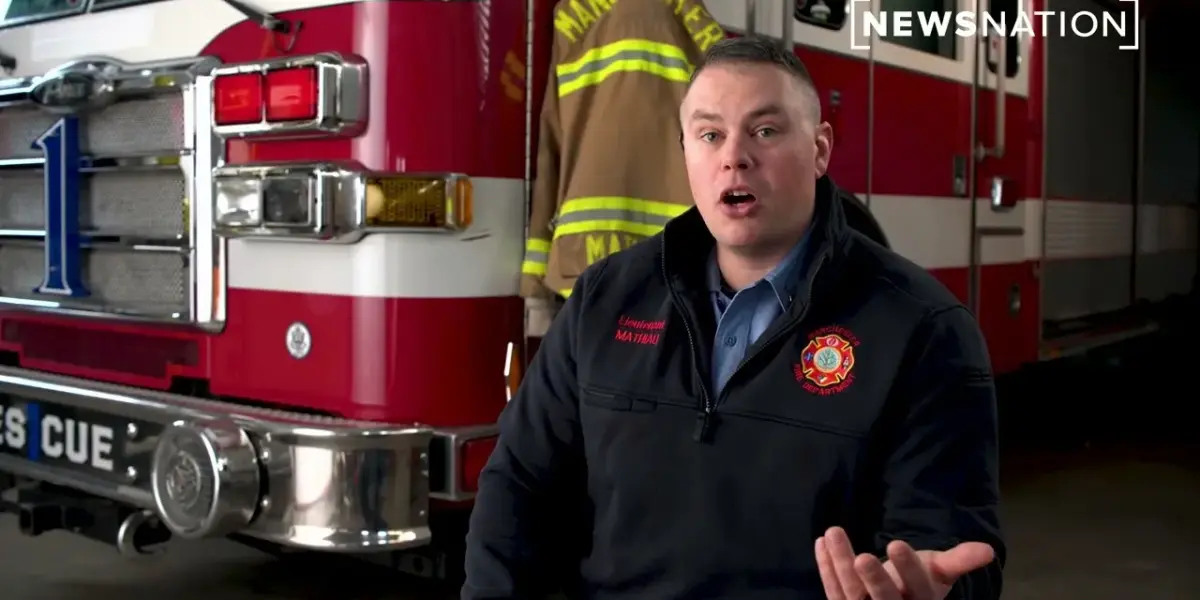
Firefighters Battle Blaze, Save Pets in High-Stakes Rescues
Fire doesn’t wait. It grows, it spreads, and it takes advantage of every second. For over a decade, firefighters have faced these dangers, protecting neighborhoods where homes sit close together and families are nearby. A single spark can threaten an entire block. Tonight, we look at how firefighters across the country responded to fast-moving house fires, where every second counts and the air is thin.
Fairfax County, Virginia: A Neighborhood Saved
In Fairfax County, Virginia, multiple 911 calls brought firefighters to a home already engulfed in flames. Video shows several houses nearby, with neighbors watching from the street as crews worked to stop the fire from spreading. The first arriving engine connected to a hydrant and requested another engine to ensure a steady water supply. This means they laid out a hose from the hydrant to the burning house, needing another engine to complete the connection and give the attack team water.
Ladder trucks positioned themselves first, as they need the best spot to set up their ladders. Engines, which carry the hoses, can navigate around obstacles more easily. Large hoses, called supply lines, carried water from the hydrant to the engine. Thick, black smoke poured from the carport and garage area. A firefighter was seen stretching an attack line to the back of the residence, highlighting the importance of a 360-degree check. This is because the back of the house showed much more fire than the front.
Water was directed into the garage area, knocking down flames. The smoke color changed from thick and black to white steam, a sign that conditions were improving. While the resident confirmed no one was inside, firefighters must always search the structure to ensure it is unoccupied. A large hose, a 2.5-inch line, was used on the outside to fight the heavy fire, rather than bringing it inside.
Pennsylvania: Barn Becomes a Home Fire
In Pennsylvania, crews arrived to a home with flames reaching the roof, near other buildings and a wooded area. Firefighters worked from the exterior, trying to get a handle on the fire. They used large hand lines, bigger hoses than those typically used inside, to get as much water on the fire as possible. What initially looked like a barn turned out to have a residential component, indicated by windows and a front door.
When a firefighter opened the door, smoke was sucked into the fire area. This shows why it’s crucial to keep doors closed until a hose line is in place, preventing the fire from getting more air. Firefighters searched for the source of the fire and any potential victims. The term “close before you doze” is relevant here; a closed door, even an old barn door, can hold back flames from entering a living space.
Inside, firefighters use Self-Contained Breathing Apparatus (SCBA) to breathe clean air, completely isolated from the toxic smoke and heat. This equipment requires firefighters to be in good shape, as the air tanks on their backs are their only source and must be swapped out when empty. Inside the structure, visibility is near zero. Thermal imaging cameras help firefighters see through the smoke by detecting heat signatures.
Joshua Tree, California: Desert Fire Challenges
Near Joshua Tree National Park, flames and thick smoke poured from a home surrounded by desert and brush. Wind fueled the fire, making it spread rapidly within the residence. The rural location presented challenges for water supply. Firefighters opted to fight the fire from the outside first, aiming to knock it back enough to safely make entry for searches.
Smoke detectors are vital, especially for sleeping occupants. Studies show that the smell of smoke doesn’t always wake people; a smoke detection device is often the only alert. A deck gun, a large water delivery device mounted on the fire engine, was prepared for use.
Orange County, California: A Quiet Victory with Pets
In Orange County, California, body cam video captured a different kind of rescue. Firefighters responded to a fire in an apartment building, which are more confined than single-family homes due to the close proximity of living quarters.
A firefighter closed the apartment door before entering, preventing unchecked air from feeding the fire. Once the hose line was ready, the door was opened, and the fire was quickly knocked down. This was a “room and contents” fire, meaning it was isolated to one or two rooms. Such fires are typically controlled within about 10 minutes with a quick hose line attack.
During a search, firefighters found two cats trapped inside. Using a thermal imaging camera, they located the animals in the smoke-filled environment. Even though some belongings might be destroyed, lives, including those of pets, are irreplaceable. Rescuing these animals was considered a win for everyone involved.
The Broader Picture: Teamwork and Technology
These incidents, from large structure fires to smaller apartment blazes, all showcase the critical role of training, teamwork, and technology. The ability to make quick decisions under pressure, communicate effectively via radio, and utilize tools like thermal imaging cameras are essential. Firefighters face extreme conditions, making every action, from closing a door to stretching a hose line, a vital part of saving lives and property.
Source: Orange County firefighters rescue cats from burning building | American Inferno (YouTube)

Related Articles

Indiana Tightens Trucking Rules for Immigrants
Indiana is now the first state to revoke commercial driver's licenses for undocumented immigrants, citing public safety concerns. The new law imposes strict English proficiency requirements and hefty fines for businesses that violate the rules. This move sparks debate about immigration, safety, and the future of trucking regulations.


Protesters March Nationwide; Police Focus on Safety
Millions of Americans participated in nationwide 'No Kings Day' protests, with organizers prioritizing peaceful demonstrations. Law enforcement employed a multi-faceted strategy involving intelligence, undercover officers, and direct communication to ensure safety and protect First Amendment rights. Challenges arose as night fell and potential 'bad actors' posed risks, requiring enhanced vigilance and resources.


US Immigration Debate Intensifies Amidst Crime Concerns
Recent crime incidents, including the murder of Sheridan Gorman, have intensified the U.S. immigration debate, spotlighting concerns over sanctuary city policies and the impact of the government shutdown on federal employees like TSA staff. The International Olympic Committee's decision on transgender athletes and Republican concerns about flipping electoral seats also feature in this analysis of current geopolitical and domestic affairs.