Delta CEO Slams Congress Over Shutdown “Mess”
Delta CEO Ed Bastian lambasted Congress for the ongoing government shutdown, calling it a "mess" that cripples airport operations and hurts essential workers. The airline has suspended congressional perks and is bracing for potential flight reductions due to soaring fuel prices.

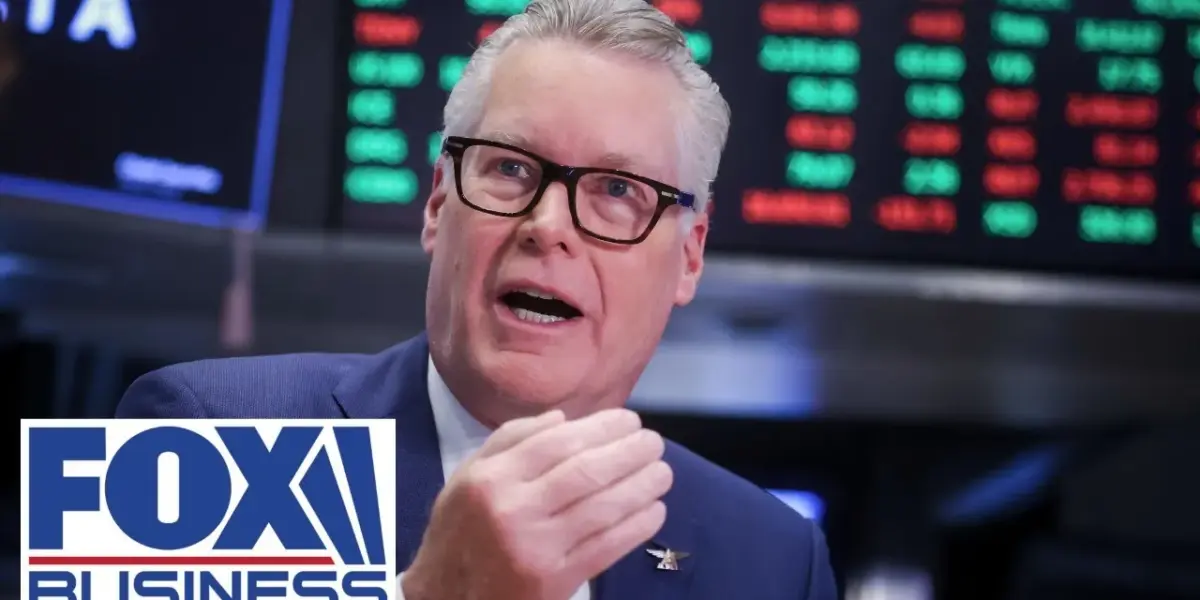
Delta CEO Slams Congress Over Shutdown “Mess”
The longest partial government shutdown in U.S. history, stretching over 45 days, has thrown airports into chaos and pushed airline executives to their breaking point. Delta CEO Ed Bastian didn’t hold back, calling the situation a “mess” and criticizing Congress for its lack of leadership.
Airports Grind to a Halt
The shutdown has directly impacted essential airport workers, including Transportation Security Administration (TSA) agents. These workers have gone without pay for over a month and a half. In some areas, like Atlanta, the situation has become dire, with about 500 TSA agents quitting and over 3,500 calling out sick. This has led to longer security lines and significant passenger frustration.
“We are beyond frustrated at the lack of leadership out of Congress,” Bastian stated. “It is unbelievable this is continuing to go on.”
The stalemate in Washington meant that Congress itself adjourned for two weeks, leaving the critical issues unresolved. In response to the growing crisis, President Trump enacted an emergency order to ensure TSA workers would receive back pay. Bastian expressed hope that these workers would receive their deserved compensation soon.
Delta Punishes Congressional Perks
In a bold move that garnered widespread passenger approval, Delta suspended all special perks for members of Congress. This included services like airport escorts, which allowed lawmakers to bypass normal security lines. Bastian explained the decision was meant to make elected officials understand the inconvenience they helped create.
“Given the lack of leadership that we have seen from our elected officials, the fact we would continue to offer courtesy opportunities for them to bypass this mess they created, we want to make sure they understand and stand in line like everyone else,” Bastian said. The airline intends to keep this suspension in place until operations return to normal and workers are fully paid.
Fuel Prices Soar, Flights May Be Cut
Beyond the shutdown’s immediate airport impact, the airline industry faces another significant challenge: soaring jet fuel prices. Prices have reportedly doubled, leading some European airlines to warn of potential fuel shortages within weeks. While Delta has sufficient supply in the U.S., Bastian anticipates that if the situation persists, airlines may be forced to reduce flight schedules.
United Airlines has already announced plans to cut 5% of its flights to conserve fuel and staff. Delta is also evaluating flight reductions, particularly for less profitable routes and red-eye flights. The airline is trying to get ahead of the issue by reducing flights in the spring.
Delta’s Refinery Offers Some Cushion
Delta’s unique ownership of a refinery in Pennsylvania, acquired in 2012, offers some protection against extreme fuel price fluctuations. While not a complete shield, the refinery helps absorb a significant portion of the cost increases. Bastian noted that the industry generally struggles with hedging fuel costs, making physical production ownership a strategic advantage.
However, the impact is still being felt. Delta reported an additional $400 million in jet fuel fees for March. The airline is modeling for a prolonged period of higher fuel prices, anticipating they will remain elevated for several months.
Demand Remains Strong, But Business Travel Slows
Despite the challenges, consumer demand for travel remains strong across all demographics. However, the TSA crunch has begun to affect business travel. The prospect of hour-long security lines deters many business travelers, leading to a noticeable slowdown in this segment.
Bastian remains optimistic that if airport lines return to normal, business travel will rebound. He also highlighted that the U.S. economy, in general, is performing well, which supports overall travel demand. Delta’s strong balance sheet means the airline does not foresee any layoffs and views the current situation as an opportunity to further strengthen the brand.
Air Traffic Control Needs Modernization
The conversation also touched on the ongoing issues with the air traffic control system. Following a serious incident in July and a near-miss at LaGuardia last week involving two pilots, Bastian reiterated the need for increased staffing and continued funding for modernization. He praised the efforts of Secretary Duffy and Bedford in securing initial funding but stressed that this is a long-term process requiring sustained support.
“Our air traffic controllers have a tremendous amount of burden on them. It is safe. Unfortunate what happened in LaGuardia last week,” Bastian said. He emphasized that safety is paramount and that the industry must remain vigilant in identifying and addressing potential problems within the air traffic control system.
Source: ‘MESS’: Delta CEO rips Congress as shutdown chaos erupts at airports (YouTube)

Related Articles
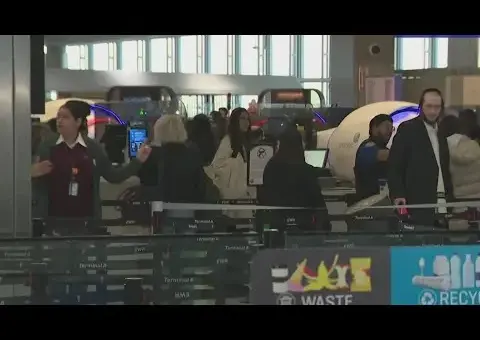
Jet Fuel Shockwaves: Airlines Warn of Fare Hikes, Flight Cuts
Rising jet fuel prices, driven by conflict in the Strait of Hormuz, are forcing airlines to warn travelers of higher fares and fewer flights. This comes as TSA lines ease, but worker pay remains uncertain, highlighting broader instability.


Trump Threatens Iran; TSA Workers Get Back Pay
Tensions escalate in the Middle East as President Trump threatens severe action against Iran if a deal isn't reached, while Iran denies ongoing U.S. negotiations. Meanwhile, TSA workers receive partial back pay amid a prolonged government shutdown, and lawmakers face scrutiny over potential insider trading in online prediction markets.
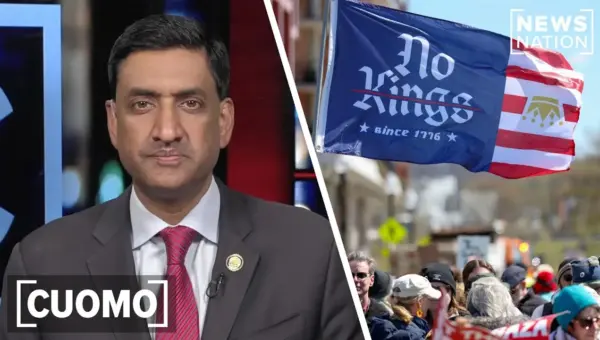
Trump’s War Focus Alienates MAGA Base, Fuels Protests
Frustration is mounting as President Trump's focus on foreign wars clashes with domestic needs and promises to his MAGA base. Protests like 'No Kings' highlight public anger over war spending, rising costs, and neglected issues, while Democrats seek common ground on practical solutions.