Gulf States Fund Ukraine’s Drone Defense Network
Gulf Arab states are investing in Ukraine to mass-produce affordable drone interceptors. This collaboration aims to counter Iran's low-cost drones, addressing critical shortages faced by wealthy nations and reshaping regional defense dynamics.

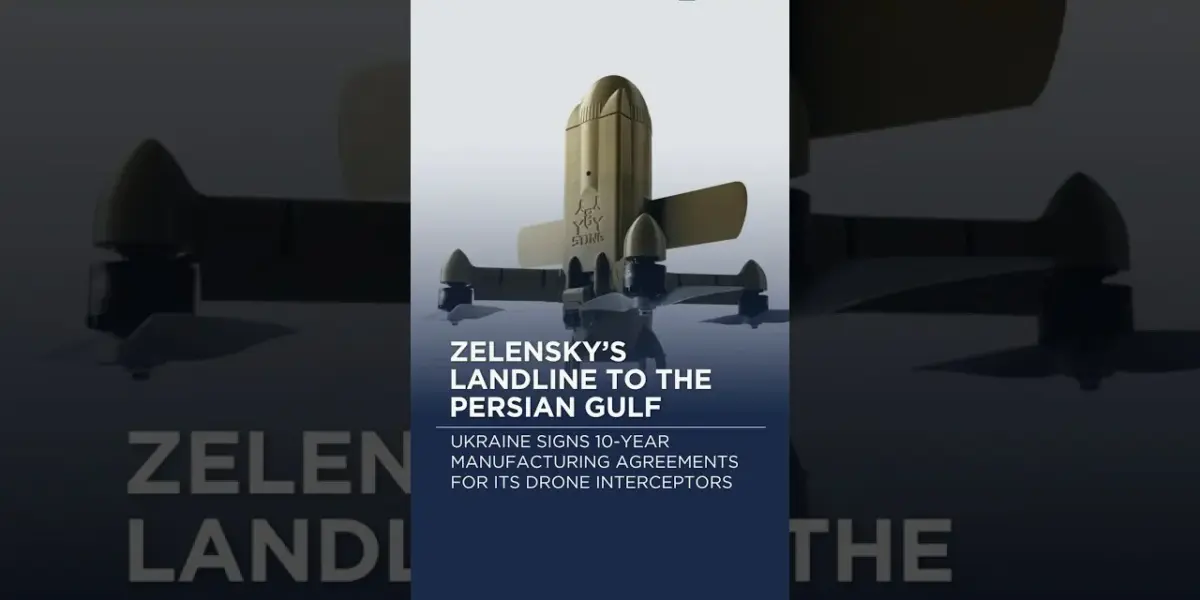
Gulf States Fund Ukraine’s Drone Defense Network
Ukrainian President Volodymyr Zelenskyy recently visited the Persian Gulf, securing significant long-term agreements with Saudi Arabia, Qatar, and the United Arab Emirates (UAE). These deals, spanning ten years, focus on manufacturing and air defense cooperation. The core idea is to use the Gulf Arab states’ vast wealth to build up production capabilities for Ukrainian interceptors, both in their own countries and in Ukraine. This move signals a major shift in how nations are approaching defense manufacturing and regional security.
The Drone War Dilemma
The ongoing conflict in Ukraine has highlighted a critical weakness in current air defense systems. The interceptor missiles used by the United States, for example, are very expensive. They are designed for high-value targets, not for the low-cost, high-volume threat posed by Iranian-made drones. These drones, like the Shahed models, cost only about $4,000 to $5,000 each. Before the war, Iran was reportedly producing around 700 of these drones weekly. Ukraine has been using expensive Patriot missiles, costing about $4 million each, to shoot them down. The United States can only produce about 700 of these missiles in an entire year.
Gulf States Face Interceptor Shortages
The sheer number of drone attacks has strained existing defense supplies. Countries like the UAE, Bahrain, and Qatar have reportedly run out of readily available interceptor missiles. This shortage creates a vulnerability, especially given the persistent drone threat from regions like Iran. Their vast financial resources, held in sovereign wealth funds totaling nearly $3 trillion collectively, allow them to seek new solutions to this pressing security challenge.
Ukraine’s Affordable Solution
Ukraine has developed its own interceptor systems with a reported success rate of 50% to 70%. While this might seem moderate, the crucial factor is their low cost. These Ukrainian-made interceptors cost only about $2,000 each. The new agreements aim to mass-produce these affordable systems as quickly as possible. The goal is to get them deployed to Ukraine and potentially to Gulf allies, providing a much-needed layer of defense against drone swarms.
Shifting Strategic Alliances
This partnership represents a significant change in strategic and political decisions within the Gulf region. Traditionally, Gulf states have relied heavily on Western defense suppliers. However, the limitations and costs associated with Western systems, coupled with the immediate threat from drones, have pushed them to seek alternative solutions. By investing in Ukrainian manufacturing, these Arab nations are not only securing their own defense but also directly supporting Ukraine’s war effort. This collaboration could reshape regional defense dynamics and create new dependencies and partnerships.
Global Impact
This development could have wide-ranging effects on the global defense industry and international relations. It highlights the growing importance of drone warfare and the need for cost-effective countermeasures. The ability of countries like Ukraine to develop and mass-produce their own advanced defense technology, with financial backing from wealthy allies, could empower smaller nations and challenge the dominance of established military powers. It also suggests a potential shift away from sole reliance on traditional Western military aid, fostering greater self-sufficiency and creating new centers of defense innovation.
Historical Context
The current situation echoes historical patterns where conflicts drive innovation and alter global power structures. Throughout history, wars have forced nations to develop new technologies and forge new alliances out of necessity. For example, the Cold War saw a rapid arms race and the development of advanced missile and defense systems. This Ukrainian-Gulf cooperation, while different in scale and technology, represents a modern iteration of this dynamic. It demonstrates how immediate security threats can accelerate the adoption of new defense strategies and foster cooperation between unlikely partners, moving beyond traditional geopolitical alignments.
Economic Considerations
The economic dimension of this agreement is crucial. The Gulf states’ substantial sovereign wealth funds provide the financial muscle to fund this large-scale production. For Ukraine, this represents a vital source of income and a way to bolster its defense capabilities. The focus on local manufacturing in both Ukraine and the Gulf also aims to reduce reliance on long, vulnerable supply chains. This economic cooperation could lead to greater industrial capacity in the region and potentially create new export markets for Ukrainian-designed defense technology in the future.
Future Scenarios
Several future paths are possible. The mass production of these interceptors could significantly alter the balance of drone warfare in Ukraine, potentially reducing damage and casualties. For the Gulf states, it could provide a more sustainable and affordable defense against drone threats. However, challenges remain. Scaling up production to meet demand, ensuring quality control, and navigating the complex geopolitical landscape are significant hurdles. Another scenario involves the successful transfer of manufacturing technology, empowering Ukraine and its partners to become major players in the defense export market. Conversely, if production falters or costs rise unexpectedly, the effectiveness of this strategy could be limited.
Source: Ukrainian Drone Interceptors Are Hot Commodity #shorts (YouTube)

Related Articles


Gulf Allies Urge Trump to Continue Iran Conflict
U.S. allies in the Persian Gulf are urging President Trump to intensify military action against Iran, believing Tehran has not been sufficiently weakened. The ongoing conflict raises concerns about regional stability and global energy prices, while questions linger about the administration's long-term strategy.


Middle East Conflict Sends Gas Prices Soaring Past $4
The national average gas price has surpassed $4 per gallon for the first time since 2022, driven by escalating conflict in the Middle East. Recent attacks on oil tankers and military strikes have heightened fears of energy supply disruptions, impacting consumers globally.

US Weighs Troop Deployment Amid Iran Deal Push
The U.S. is considering deploying ground troops to Iran while simultaneously pushing for a diplomatic deal to reopen the Strait of Hormuz. Air strikes are ongoing as President Trump increases pressure on Iran.