Podcasters Flip Trump to ‘Cultural Punchline,’ Shaking Up Politics
Leading podcasters are transforming Donald Trump into a 'cultural punchline,' shifting from former supporters to vocal critics. This trend, fueled by unfulfilled promises and a perceived loss of cultural relevance, poses a significant challenge to Trump's appeal among younger voters. Analysts suggest this could reshape political engagement, as both parties grapple with connecting with this influential demographic.

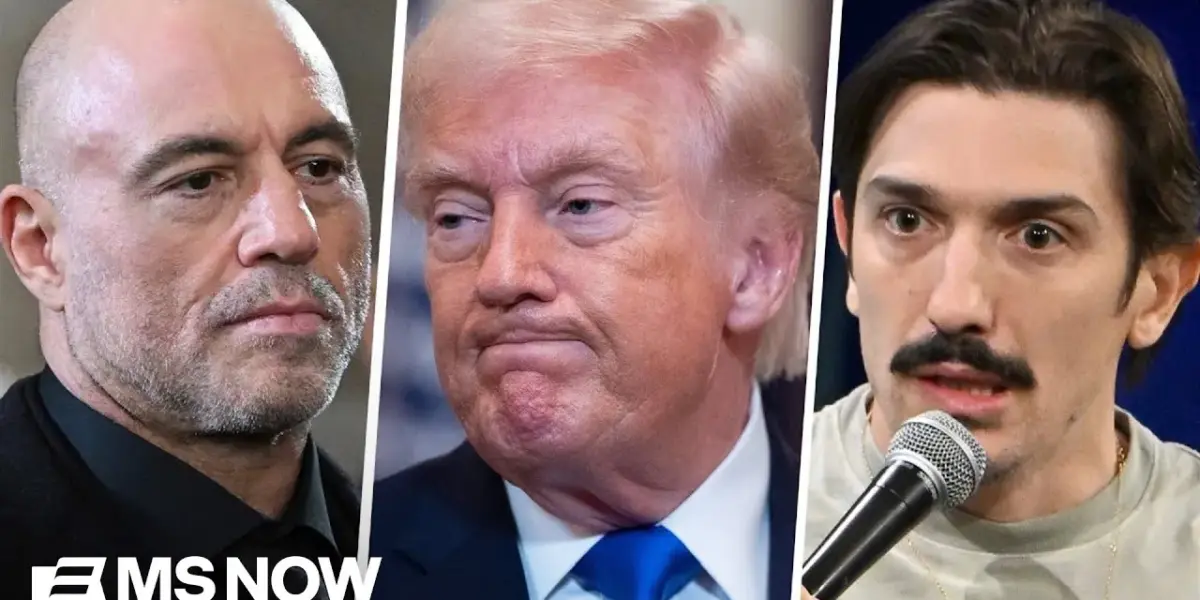
Podcasters Turn Trump into a ‘Cultural Punchline’
Prominent podcasters who once helped Donald Trump gain support are now increasingly portraying him as a figure of ridicule, a significant shift that could impact his political standing. This trend, observed over the past six to eight months, sees influential voices like Andrew Schulz and Joe Rogan moving away from supporting Trump. They are now questioning his decisions and highlighting his failures, turning him into a “cultural punchline” rather than a political leader.
Shifting Support Among Key Demographics
Journalists and political analysts note this change is particularly impactful because these podcasters have been instrumental in reaching and mobilizing specific voter groups, especially young men. These influencers helped build a coalition that was crucial to Trump’s past victories. However, recent data shows a steep decline in his support among younger demographics, with a staggering 70% disapproval rating among certain groups. This decline is linked to Trump’s perceived failures on issues important to these voters, such as healthcare costs, immigration, and economic affordability.
“These are influencers insofar as they helped shepherd toward Trump, a coalition that proved incredibly important for his win,” said Alex Wagner, a contributing host of Pod Save America. “And like you look at the numbers and I knew, I think, you know, just anecdotally speaking, I knew that Trump’s support among young people was cratering. But the actual data is pretty staggering.”
From ‘Smart Guy’ to ‘Dork’: The Perception Shift
Donald Trump once presented himself as a shrewd leader, distinct from perceived “war hawk” advisors and foreign policy missteps. He campaigned against the Iraq War, a notable stance for a Republican at the time. Now, some of these same podcasters are calling him out for being easily influenced, driven by ego, and failing to live up to his promises. This narrative paints him not as a strong leader, but as someone manipulated into actions that alienate potential supporters.
The label of “dork” is particularly damaging to Trump, as his cultural relevance and image as a counter-cultural figure have been central to his appeal. For years, young men were drawn to him as an avatar of machismo who defied political correctness. However, the perception is now shifting, revealing him as potentially out of touch and surrounded by figures seen as uncool or out of touch, such as Stephen Miller and Pete Hegseth. This cultural disconnect threatens to erode his influence, especially among the younger, politically curious audience he courted.
Unfulfilled Promises Fuel Discontent
Beyond foreign policy, discontent among these groups is fueled by unfulfilled domestic promises. While Trump suggested he would drastically lower gas and grocery prices, current economic realities contradict these claims. The transcript highlights that gasoline prices have risen significantly, directly impacting everyday consumers. Analysts argue that no amount of spin can overcome these tangible failures, posing a serious challenge for Trump’s campaign.
“At some point the spin just stops and you can’t spin these people away. That’s the real danger that he’s confronting right now,” stated Sam Stein, managing editor of The Bulwark. “He kept saying that the secret to getting all of the costs down was to bring energy down. And for a while there, gasoline was down and then he launched a war and gasoline is right back up over $8 a gallon.”
The Battle for Cultural Relevance
The question remains whether these podcasters’ influence can outweigh Trump’s own direct communication channels, like his social media presence. Experts believe these podcasters hold significant sway. Their audience is not primarily comprised of hardcore MAGA supporters but rather a more politically curious segment that is now seeing through the White House’s attempts at appearing “cool” or relatable through memes and social media tactics. For these voters, only concrete policy changes, like ending wars and reducing spending, could potentially win them back.
Future of Republican Appeal and Democratic Engagement
Looking ahead, the Republican Party faces the challenge of finding a charismatic figure who can capture the cultural relevance Trump once held without being dismissed as a “dork.” While figures like J.D. Vance are seen as potential successors, their perceived awkwardness could hinder their appeal. Democrats, meanwhile, acknowledge their own struggles in connecting with this demographic, noting that Trump’s losses do not automatically translate into Democratic gains. There is a recognition that while some Democrats, like Gavin Newsom, might possess cultural savvy, the party as a whole needs to develop more effective strategies to engage with younger, internet-savvy audiences. The ability to be funny and culturally relevant, often seen as strengths of the left, will be crucial in this ongoing battle for influence.
What’s Next
As the political landscape continues to shift, all eyes will be on whether this growing criticism from influential podcasters can significantly impact voter perception and turnout. The effectiveness of these cultural critiques in contrast to Trump’s direct messaging, and the ability of both major parties to adapt and connect with younger demographics, will be key indicators in the coming months and election cycles.
Source: Podcasters now turning Trump into 'cultural punchline': Journalist (YouTube)

Related Articles
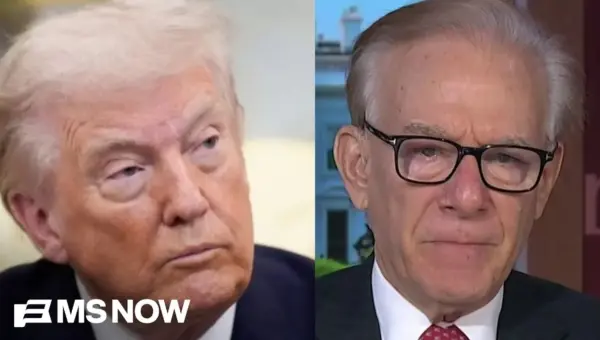
Trump Weighs War Crime Threat Over Iran Strait
President Trump is reportedly willing to accept the continued closure of the Strait of Hormuz, despite earlier threats, signaling a shift in U.S. demands. This comes as gas prices surge and markets react negatively to the ongoing conflict. Conflicting messages from within the administration fuel confusion about the war's objectives and exit strategy.

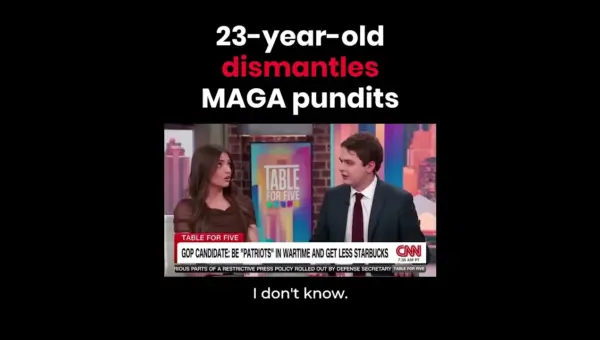
Trump’s Wealth vs. Biden’s Economy: A Stark Contrast?
A debate contrasts Donald Trump's reported crypto earnings with concerns over Biden's economy, including rising inflation and gas prices. The discussion critically examines proposed fiscal policies and their impact on national debt and social programs.


Trump’s Iran War Falters, Retreat Looms Large
Reports indicate a potential shift in the Trump administration's strategy regarding Iran, moving from ambitious military goals to a possible withdrawal. This pivot raises questions about effectiveness, regional stability, and the evolving nature of modern warfare.