Global Leaders Fear War’s Fallout: Is Trump Ignoring Warnings?
Global leaders are expressing grave concerns over the potential fallout from a conflict involving Iran, predicting widespread disaster. Meanwhile, Iran denies negotiating with the U.S., and market manipulations have reportedly backfired, leading to economic consequences. Conflicting statements from both sides and questions about international law add to the uncertainty.

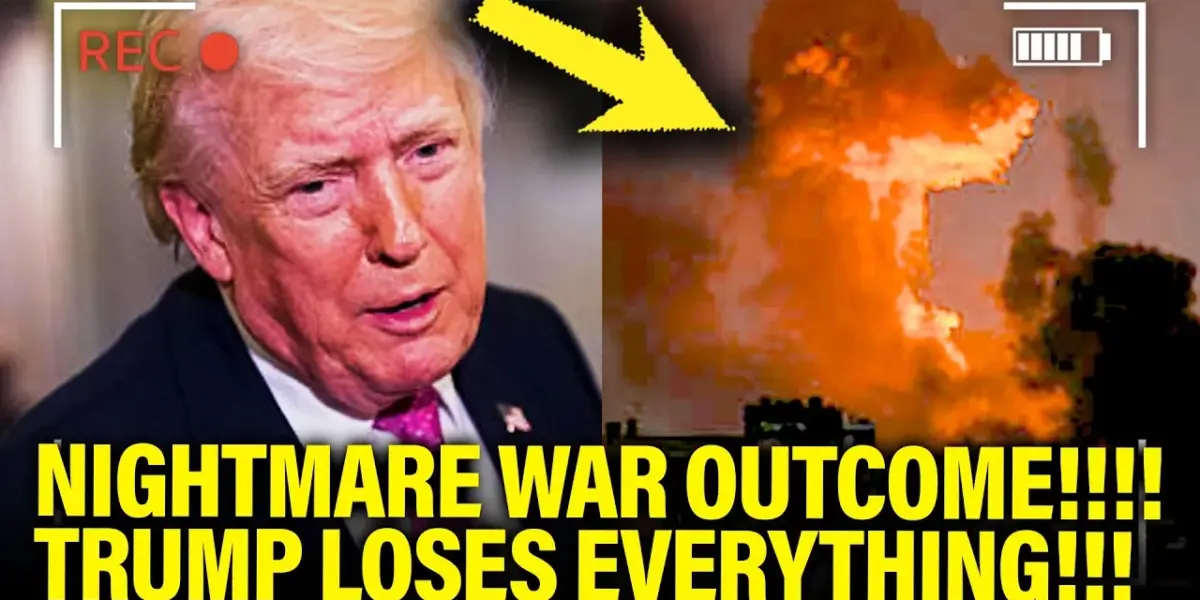
Global Leaders Fear War’s Fallout: Is Trump Ignoring Warnings?
World leaders are sounding alarms about the potential global disaster brewing from a conflict involving Iran. They predict serious trouble ahead, no matter how the situation unfolds. Meanwhile, the Iranian regime has publicly stated they are not engaging in negotiations with Donald Trump or his administration. This comes as attempts to manipulate markets have backfired, with consequences of what’s described as “lies and deceit” now impacting Americans.
International Concerns Grow
The gravity of the situation is felt across continents. Italy’s Defense Minister expressed deep worry, stating that knowledge of potential future events and their impact on the economy and daily life leaves him sleepless. Similarly, South Korea’s President highlighted the global turmoil caused by an energy crisis, calling the situation severe enough to disrupt his sleep and noting that the future looks even more uncertain than the present.
This widespread anxiety echoes past crises, like the early days of the COVID-19 pandemic. Back then, initial denial was followed by a surge in cases, a pattern some observers fear is repeating with the current conflict. The difference now, they argue, is that official statements from Iran directly contradict claims made by the Trump administration. Iran denies engaging in any negotiations, whether direct or indirect, and labels the U.S. demands as “excessive, unrealistic, and irrational.” They insist the economic structures in place before the conflict will not remain the same.
Iran’s Foreign Ministry spokesperson, Bagghi, stated, “The material conveyed to us has been excessive and unreasonable. The meetings that Pakistan has are a framework that they established themselves and that we did not participate in.”
Market Manipulation and Mixed Messages
The transcript suggests that Donald Trump has attempted to influence market behavior, but these efforts have reportedly failed, with markets turning against him. This is linked to the ongoing conflict and its perceived consequences. Iran’s parliamentary spokesperson, sometimes called the “oracle of Tehran,” accurately predicted market reactions, advising followers to do the opposite of what news suggested. Markets initially rose on news related to the conflict but then fell sharply, while oil prices continued to climb.
Adding to the confusion, statements from the Trump administration and Iran are often at odds. While the U.S. insists negotiations are happening and that Iran has agreed to many points, Iran repeatedly denies any talks are taking place. When asked about this discrepancy, a spokesperson for the U.S. administration dismissed taking the word of the Iranian regime, which she described as having a history of lying.
Funding the Conflict and International Law
There are indications that the U.S. is considering asking allied Arab nations to finance the conflict. This possibility has been raised, suggesting that countries like Kuwait, Saudi Arabia, and the UAE might be expected to contribute financially. In response to threats of destroying Iran’s energy and desalination plants, Iran has retorted that such actions would be war crimes and that their forces are responding to what they call “illegal aggression.”
The administration maintains that all U.S. military actions will be conducted within the bounds of international law, despite acknowledging that targeting civilian infrastructure like desalination plants is generally prohibited. The justification offered is the need to achieve the objectives of the operation and compel Iran to make a deal.
Landmines and Shifting Alliances
Reports of American-made landmines being spotted in Iran have surfaced, though the administration has offered no comment on these specific claims. The situation is further complicated by questions about the U.S. response to Russia sending oil to Cuba. While the U.S. has strict sanctions policies, exceptions are reportedly made on a case-by-case basis for humanitarian reasons, leading to accusations of inconsistency.
Meanwhile, the high cost of fuel, with diesel averaging $5.38 per gallon, is a significant concern for industries like trucking. The administration acknowledges these fluctuations, citing actions like releasing oil reserves and waiving certain regulations to stabilize the market. However, they emphasize that these are short-term measures aimed at a long-term goal: ending the threat posed by Iran and ensuring the free flow of energy through the Strait of Hormuz.
Negotiations and Escalating Rhetoric
The administration has also suggested that previous Iranian leaders who were killed were “dragging out negotiations,” implying that their demise was linked to their approach. This statement has drawn criticism. Furthermore, claims that the U.S. is negotiating with specific Iranian officials are met with denials from Iran, leading to accusations of humiliation for the United States.
Adding to the tension, Iran continues to target neighboring Arab nations that are supporting the U.S., with reports of strikes in the UAE, Kuwait, Bahrain, and Saudi Arabia. Attacks have also reportedly hit an oil refinery and fuel tanks in Israel. The overall message from Iran has been one of defiance and a strong response to perceived aggression.
Why This Matters
The escalating rhetoric and conflicting narratives surrounding the Iran conflict raise serious concerns about global stability. The potential for miscalculation is high when communication channels are unclear and demands are perceived as unreasonable by one side. The economic repercussions, particularly concerning energy prices and supply, affect everyone. For international relations, the situation highlights the challenges of diplomacy in high-stakes geopolitical environments and the importance of clear, consistent communication. The differing perspectives on negotiations and the potential disregard for international law in warfare could set dangerous precedents.
Implications, Trends, and Future Outlook
The current situation suggests a trend toward increased regional instability, with potential spillover effects on global markets and energy security. The reliance on rhetoric over clear diplomatic channels could lead to prolonged conflict. Future outlooks depend heavily on whether de-escalation efforts can gain traction or if the current trajectory of confrontation continues. The role of international bodies and the willingness of key players to engage in genuine dialogue will be crucial in determining the path forward.
Historical Context and Background
Tensions between the U.S. and Iran have a long history, marked by diplomatic disputes, economic sanctions, and military confrontations. The current conflict appears to be an escalation of these long-standing issues, possibly influenced by regional power dynamics and domestic political considerations on all sides. Understanding this historical context is vital to grasping the complexities and potential consequences of the present situation.
Source: 🚨Trump LOSES IT as LEADERS PREDICT DOOM in WAR!!! (YouTube)

Related Articles
Trump Weighs War Crime Threat Over Iran Strait
President Trump is reportedly willing to accept the continued closure of the Strait of Hormuz, despite earlier threats, signaling a shift in U.S. demands. This comes as gas prices surge and markets react negatively to the ongoing conflict. Conflicting messages from within the administration fuel confusion about the war's objectives and exit strategy.
Trump’s Iran War Falters, Retreat Looms Large
Reports indicate a potential shift in the Trump administration's strategy regarding Iran, moving from ambitious military goals to a possible withdrawal. This pivot raises questions about effectiveness, regional stability, and the evolving nature of modern warfare.
Trump Faces ‘Irreversible Mistake’ in Iran Conflict
Experts warn President Trump could make an "irreversible mistake" in the Iran conflict, with few easy options for de-escalation. Potential strategies range from declaring victory to military action, each carrying significant risks. The situation also highlights the UK's diminishing global influence and domestic economic challenges.