Gen Z Slang Has Deep Roots in Black Culture
Gen Z slang terms like 'cap,' 'riz,' and 'unc' have deep roots in African American Vernacular English (AAVE), a language born from centuries of Black culture and history. Experts emphasize that understanding the origin and attribution of these words is crucial for cultural appreciation and to avoid erasing the contributions of the Black community.

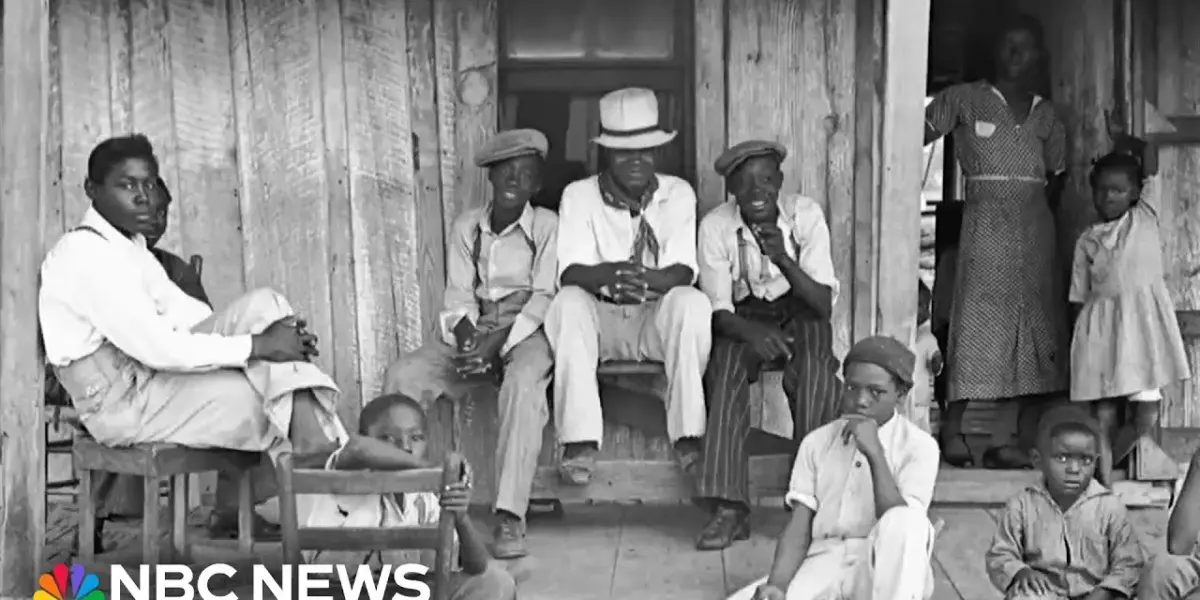
Gen Z Slang’s Hidden History: Black Culture’s Influence Revealed
Many words currently popular with Generation Z, often labeled as new slang, actually trace their origins back centuries to Black culture. A recent report by NBC News correspondent Marquise Francis delves into the history of these phrases, highlighting their deep roots in American history and the African American Vernacular English (AAVE) that shaped them.
From Struggle to Social Media: The Evolution of AAVE
Words like “cap,” “riz,” “drip,” and “unc” are now common on platforms like TikTok, used by young people who may not know their full history. Linguistic experts point out that many of these terms emerged from challenging times in American history, including the era of enslavement. During those periods, language was often a way for Black communities to communicate in plain sight, but in a way that outsiders couldn’t easily understand. This rich linguistic tradition is known as African American Language, or AAVE.
“I don’t necessarily say that no one else can speak it, but what I do say is it comes from those people that created it,” stated Sandra Lainhart, a linguistics professor at the University of Arizona. Lainhart, who authored “The Oxford Handbook of African American Language,” works to correct misunderstandings about AAVE and broaden its definition.
Understanding AAVE: More Than Just Slang
African American Vernacular English is characterized by its unique grammar, playful pronunciation, and culturally significant vocabulary. For example, the verb “to be” can function differently in AAVE, such as in the phrase “he be at the park,” which implies a habitual action rather than a current one. While the internet and social media have rapidly spread these terms, experts emphasize that AAVE is not simply slang. It is a distinct dialect with a long history and complex structure.
The Ebonics Controversy and Modern Misunderstandings
The history of AAVE includes significant public debate, such as the 1996 Ebonics controversy in Oakland, California. When the school board recognized Ebonics as a primary language to improve literacy, it sparked a nationwide discussion about the language’s validity and recognition. This controversy highlights the ongoing struggle for AAVE to be understood and respected as a legitimate form of language, rather than being dismissed or misunderstood.
Attribution: The Key to Respectful Language Use
The widespread adoption of AAVE terms by non-Black individuals raises questions about imitation versus cultural appropriation. Experts stress the importance of attribution – giving credit to the origin of the language. While borrowing from different cultures is a natural part of language evolution, simply using a word because it sounds cool without understanding its background can lead to the erasure of history. “When you say that it’s not about the language, it’s not that deep,” Lainhart explained, “What you’re saying to me is hundreds of years of history, hundreds of years of ingenuity, hundreds of years of being genius don’t matter.”
The Broader Impact: History and Identity
When the origins of words are ignored, it can lead to the erasure of the community that created them. AAVE represents not just words, but centuries of history, resilience, and creativity within Black communities. Understanding the roots of these phrases is crucial for appreciating their cultural significance and respecting the people who developed them. While AAVE is not exclusive to Black people, acknowledging its history and giving proper attribution is what language experts highlight as most important.
Looking Ahead: Cultural Appreciation in the Digital Age
As popular culture continues to embrace and adapt language, the conversation around the origins of Gen Z slang is becoming more important. The next time a word becomes popular, taking a moment to understand its history and meaning can foster greater cultural appreciation. The ongoing spread of these terms through music, social media, and everyday conversations means that understanding the cultural context behind them will remain a key discussion point.
Source: How Black culture is shaping Gen Z slang (YouTube)

Related Articles


Stars Slam “Wigger” Trend: “Just Be You!”
Black celebrities are speaking out against the trend of white people adopting Black slang and mannerisms, often referred to as "wigger" behavior. Stars emphasize authenticity and urge individuals to embrace their own identities rather than imitating others. The discussion also covered the problematic use of the n-word and the importance of cultural respect.

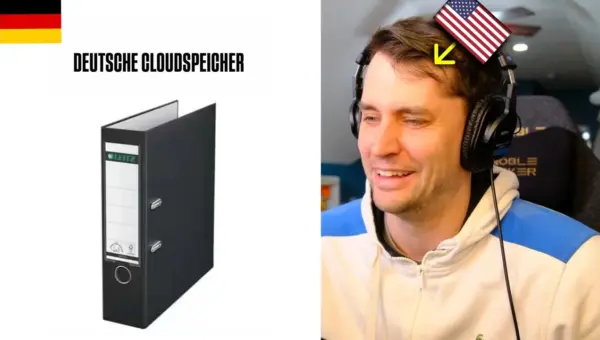
Beyond the Laughs: German Memes Reveal Cultural Quirks
A humorous dive into German internet memes reveals cultural insights on everything from car reliability and linguistic quirks to economic realities and everyday anxieties. These digital jokes offer a unique window into the German psyche.


German Numbers: The Brain-Bending Linguistic Puzzle
A viral video reveals the baffling German method of pronouncing numbers, where '21' is 'one-and-twenty,' sparking global fascination. Despite its linguistic complexity and challenges for learners, the tradition faces strong public resistance to reform, even as Germany boasts numerous world-changing innovations.