Moriarty’s Evolution: From Nemesis to Friend?
Professor Moriarty, Sherlock Holmes' ultimate nemesis, has a complex history from literature to film. A new series, "Young Sherlock," explores his origins as a friend before becoming a rival, offering a fresh perspective on the iconic villain.

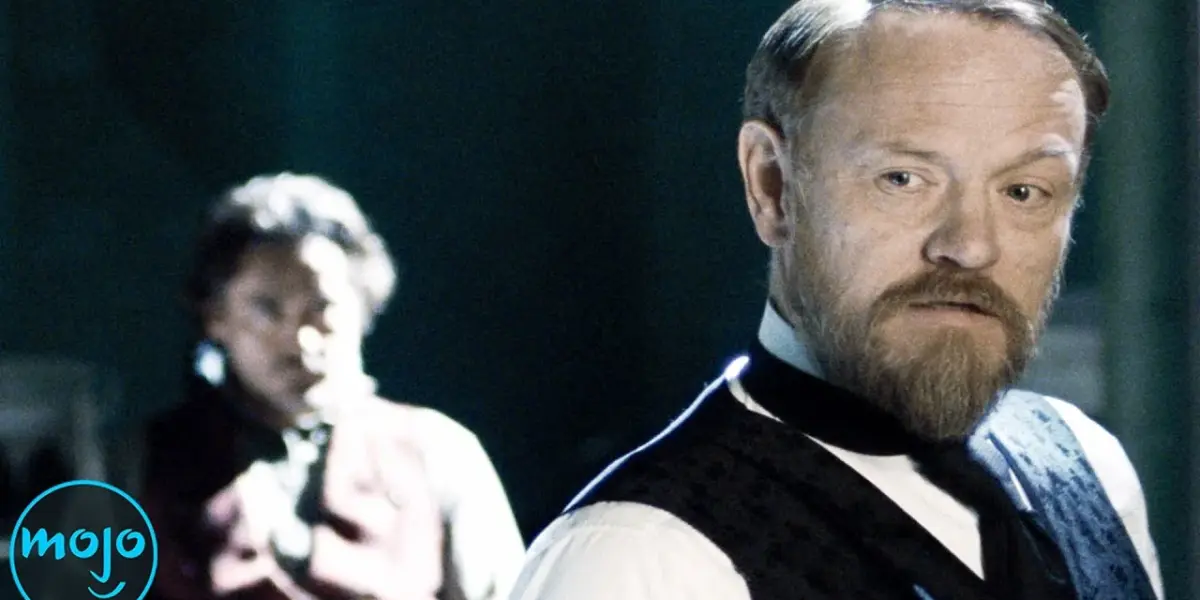
Moriarty’s Evolution: From Nemesis to Friend?
Professor James Moriarty is more than just a villain; he’s a legend. He’s the ultimate challenge for the world’s greatest detective, Sherlock Holmes. Now, a new show, Young Sherlock on Amazon Prime Video, is exploring how this legendary rivalry even began, showing a young Sherlock and a young Moriarty as friends before their inevitable turn to enemies. This fresh take, from co-creator Guy Ritchie, asks: when and how did these allies become bitter rivals?
A hero is only as strong as their greatest foe. For Sherlock Holmes, that foe is undoubtedly Professor Moriarty. He’s Sherlock’s closest match, a brilliant mind who, like Sherlock, feels like an outsider. They are almost like mirror images, both incredibly smart but also cynical. This similarity creates a strange sense of mutual respect between them, even as they stand on opposite sides of the law.
Sherlock uses his amazing deduction skills for good. Moriarty, on the other hand, is a criminal mastermind. Sometimes he’s after money, other times he just loves the thrill of the chase. And for him, Sherlock is the only opponent truly worth playing against. It’s no wonder they complement each other so well.
Created to Kill Sherlock
It might be surprising to learn that Moriarty wasn’t always meant to be a recurring character. His original purpose was much simpler: to kill Sherlock Holmes. Sir Arthur Conan Doyle, the creator of Sherlock, felt he was done with his most famous character. He wanted his deadliest enemy, the “Napoleon of crime,” to be the one to end Sherlock’s story.
Moriarty first appeared in 1893, six years after Sherlock’s debut in 1887. By then, Sherlock was already popular in multiple novels and short stories. Doyle was tired of writing about Sherlock and felt the character was taking away from his other, more serious work. Killing Sherlock off seemed like the best way to move on. But a simple criminal wouldn’t be enough to defeat the great Sherlock Holmes; it had to be his ultimate enemy.
The Final Problem and Public Outcry
Moriarty made his dramatic entrance in the short story “The Adventure of the Final Problem.” Even though he’d never been mentioned before, Sherlock figured out that many crimes he’d solved were actually part of a larger criminal organization run by Moriarty. The story ends with Holmes and Moriarty confronting each other at the Reichenbach Falls, both falling to their apparent deaths.
This story became one of Doyle’s most famous. Its impact is still felt today, not just in Sherlock Holmes stories. Many modern villains, like Thanos in the Avengers or the master criminals in James Bond and Mission Impossible, are similar to Moriarty. They are shadowy figures who are more powerful than anyone else.
Doyle thought that after defeating his ultimate foe, there would be nothing left for Sherlock to do. But he underestimated the public’s love for Sherlock. When “The Final Problem” was published, Doyle received many sad and angry letters from readers who couldn’t accept Sherlock’s death. This is like modern fans reacting strongly when their favorite characters are threatened.
Sherlock’s Return and Moriarty’s Legacy
Eight years later, Doyle gave in to the fans’ demands. He brought Sherlock back in a prequel story, “The Hound of the Baskervilles.” Sherlock’s death was officially changed in “The Adventure of the Empty House” in 1903. Doyle explained that Sherlock had faked his own death, and only Moriarty had actually fallen from the falls.
Doyle was also compelled to bring Moriarty back, though he often appeared as an unseen force. Moriarty only played a significant role in one other Doyle story, “The Valley of Fear,” in 1914. Doyle also co-wrote a play in 1899 that included Moriarty as a villain.
Moriarty on Screen
Despite his limited appearances in the original stories, Moriarty became Sherlock’s perfect opposite, the yin to his yang, especially on the big screen. In the 1930s, Arthur Wontner played Sherlock in a series of films, with Norman McKinnel and later Lynn Harding playing Moriarty.
The iconic Basil Rathbone series in 1939 featured George Zucco as Moriarty in “The Adventures of Sherlock Holmes.” Zucco’s Moriarty seemed to meet his end falling from the Tower of London. Moriarty appeared in only two other films in this series, played by Lionel Atwill and Henry Daniel. This inconsistency in actors playing Moriarty actually fits the character, a master of disguise and deceit.
Over the years, many actors have taken on the role. Christopher Lee faced Sherlock in 1962, Neil McCarn played him opposite Gene Wilder in 1975, and Eric Porter portrayed him in the 1984 TV series. In a unique twist in 1976’s “The 7% Solution,” Laurence Olivier played Moriarty not as a criminal, but as someone who had an affair with Holmes’ mother, contributing to Sherlock’s own struggles.
A new generation met Moriarty in 1985’s “Young Sherlock Holmes,” where Anthony Higgins played a character revealed to be Moriarty. And in Disney’s 1986 animated film “The Great Mouse Detective,” Vincent Price famously voiced Professor Ratigan, a clear Moriarty-inspired character.
In the 21st century, Richard Roxburgh played Moriarty in “The League of Extraordinary Gentlemen.” Sharon Duncan-Brewster put a female spin on the character in “Enola Holmes 2,” and Jaime Demitriou voiced his counterpart in “Sherlock Gnomes.” Jared Harris portrayed Moriarty opposite Robert Downey Jr.’s Sherlock in the 2011 film “Sherlock Holmes: A Game of Shadows.”
Modern Takes: Unhinged and Unexpected
On television, Andrew Scott delivered one of the most chilling and unpredictable versions of Moriarty in the modern BBC series “Sherlock,” starring Benedict Cumberbatch. His Moriarty was a force of pure chaos.
In the American series “Elementary,” Natalie Dormer played a version of Moriarty who also went by the name Irene Adler, offering a complex and dangerous relationship with Jonny Lee Miller’s Sherlock.
Young Sherlock: A New Beginning
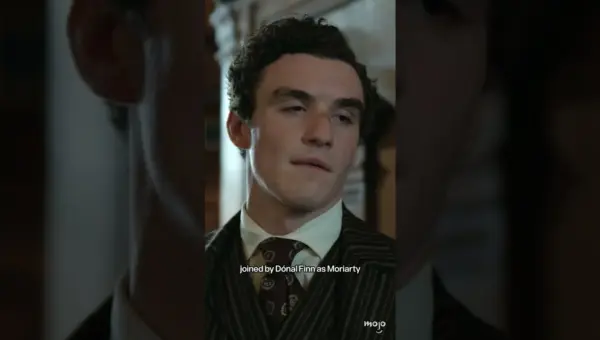
Now, “Young Sherlock” is changing the game entirely. In this series, when Hero Fiennes Tiffin’s Sherlock meets Donal Finn’s Moriarty, they aren’t enemies. Instead, their shared brilliance sparks a friendship as they investigate a mystery at Oxford. Their relationship mirrors that of Sherlock and Watson, but we know this partnership is destined to end.
Ironically, in this version, Sherlock comes from a criminal background, while Moriarty seems to have clean hands. But somewhere down the line, Sherlock will become England’s most famous detective, and Moriarty’s name will become synonymous with fear. This new take explores the dynamic that has fascinated audiences for over a century.
Moriarty was created to be a one-time foe, meant to die with Sherlock. Yet, both characters have outlived their creator. Whether shown as friends or enemies, Moriarty will likely always be a fascinating figure, proving to be a challenge that Sherlock can never truly overcome.
Source: The Evolution of Professor Moriarty (YouTube)

Related Articles
Young Sherlock Unleashed: A Fresh Take on the Detective!
Guy Ritchie's 'Young Sherlock' is now streaming on Prime Video, offering a fresh, action-packed origin story for the iconic detective. Starring Hero Fiennes Tiffin, the series follows a young, rebellious Sherlock at Oxford as he gets drawn into a global conspiracy and faces his future rival, Moriarty.
Young Sherlock Shines in New Thriller Series
The new series 'Young Sherlock' brings a fresh take on the detective's early days, exploring his complex relationship with Moriarty. This list counts down the most thrilling Sherlock mysteries, from classic tales to modern adaptations.

Sherlock Holmes Crowned Smartest Fictional Character Ever!
Sherlock Holmes has officially been named the smartest character in all of fiction by WatchMojo. The list also highlights the enduring appeal of brilliant minds in pop culture, with shows like 'Young Sherlock' offering new perspectives on iconic intellects.