Trump Threatens Iran’s Oil Lifeline Amid War Escalation
President Donald Trump is threatening to destroy Iran's energy infrastructure if a swift end to the war isn't reached, escalating tensions in the Middle East. While Trump claims direct negotiations are progressing, Iran denies these talks and warns of severe retaliation if U.S. troops enter its territory. Experts suggest the threats, including a deadline for reopening the Strait of Hormuz, are serious and could lead to further regional instability.

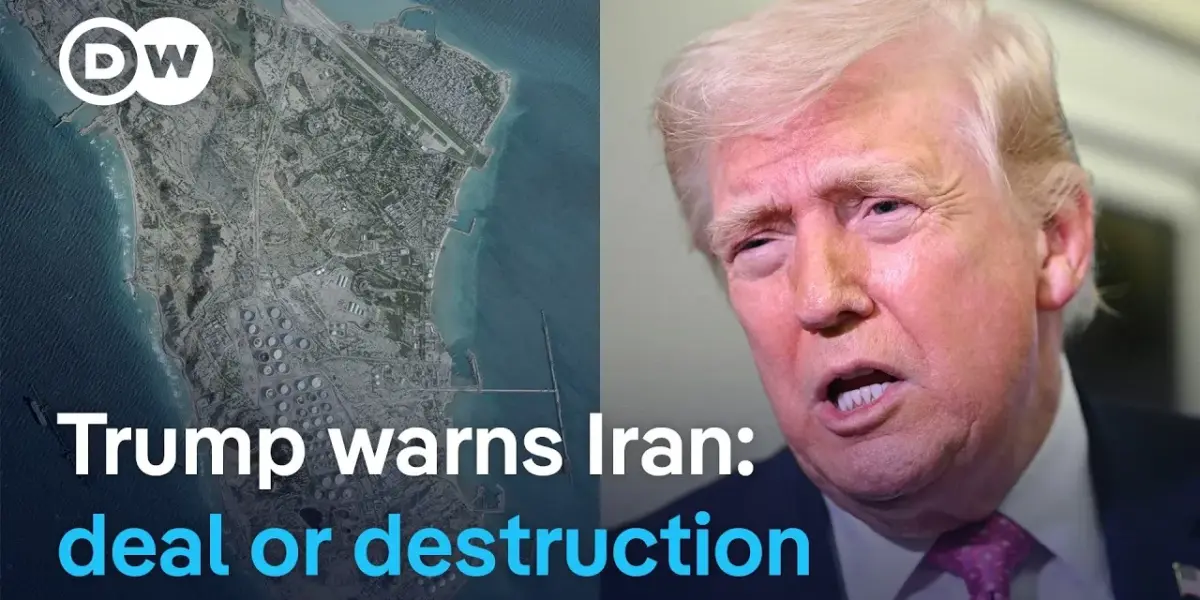
Trump Escalates Threats Against Iran’s Energy Sector
President Donald Trump has issued stark warnings regarding Iran’s energy infrastructure, threatening to obliterate key sites if a swift end to the ongoing conflict is not reached. In a recent social media post, Trump indicated that while progress is being made in talks, U.S. attacks would intensify unless the Strait of Hormuz is immediately reopened for business. The President also raised the possibility of U.S. troops seizing Carg Island, identified as Iran’s primary oil export hub.
War Intensifies with U.S. Troop Buildup
The conflict has now passed the 30-day mark, with both the United States and Israel continuing their military actions against Iran. The U.S. has deployed thousands of additional troops and Marines to the Middle East. Amidst this buildup, President Trump’s suggestion of seizing Carg Island and his threat to destroy it and other energy facilities highlight the escalating tensions and the potential for wider regional instability.
Conflicting Claims on Negotiations
While President Trump has described Iran’s new leadership as “more reasonable” and confirmed direct negotiations, Iran has refuted these claims. Iranian officials state that no direct talks with the U.S. have occurred. They accuse the U.S. of making excessive and unrealistic demands, suggesting that public statements about negotiations mask secret plans for a ground attack. Iran has warned of humiliation for U.S. troops on its soil and threatened to invade Gulf Arab countries if American forces enter Iranian territory.
“We have had [clears throat] no direct negotiations with America so far. Since the last round of negotiations until now, the U.S. demands have been very excessive, unrealistic, and illogical.”
— Iranian Official
Expert Analysis on Threat Severity
Benta Sheller, head of the Middle East and North Africa division at the Hinrich B Foundation, believes Trump’s threats must be taken seriously. She pointed to the targeting of civilian infrastructure, including oil and desalination plants, as evidence. Sheller stated that for the Iranian people, these actions signal that the war is not just against the regime but against the Iranian state itself.
Iran’s Retaliatory Actions and Regional Risks
Iran continues its retaliatory strikes, including attacks on a water and electrical plant in Kuwait and an oil refinery in Israel. The nation also maintains its threats of a ground invasion of Gulf Arab countries and mining the Persian Gulf if U.S. troops set foot on its territory. Sheller suggests that both sides are using rhetoric to push for negotiations. She noted that if Iran feels its regime is doomed, it might resort to extreme measures, increasing danger in neighboring countries.
Challenges in Mediation and Negotiation
Pakistan has emerged as a potential mediator, driven partly by its security pact with Saudi Arabia. However, Sheller expressed doubt about the effectiveness of current negotiation efforts. She believes that President Trump perceives the U.S. as being in a stronger position, while Iran may actually hold the upper hand. This perceived imbalance could hinder progress at the negotiating table.
Uncertainty Over Iranian Negotiators
The identity and authority of potential negotiators on the Iranian side remain unclear. President Trump’s earlier remarks about a succession plan for Iran’s leadership, followed by the reported deaths of key figures, create uncertainty. Sheller emphasized that the Revolutionary Guards hold significant power, and it is difficult to determine who can truly negotiate and implement any agreement. She cautioned against relying on Trump’s fluctuating characterizations of Iranian leaders.
Deadline for Strait of Hormuz Opening
President Trump has set a deadline for the reopening of the Strait of Hormuz, a critical shipping lane that Iran blocked about a month prior. While many of Trump’s deadlines have passed without consequence, Sheller advises against ignoring this latest one. She suggested that domestic political pressure in the U.S. for a successful resolution to the conflict might compel Trump to act. However, she expressed skepticism about his ability to achieve a meaningful opening of the strait.
Looking Ahead
The coming days will be crucial in determining whether President Trump’s threats translate into further military action or if diplomatic channels, however uncertain, can avert a wider conflict. The world will be watching to see if Iran complies with demands regarding the Strait of Hormuz and if any credible negotiation process can emerge from the current high-stakes rhetoric.
Source: How real is Trump's threat to Iran’s energy lifeline? | DW News (YouTube)

Related Articles
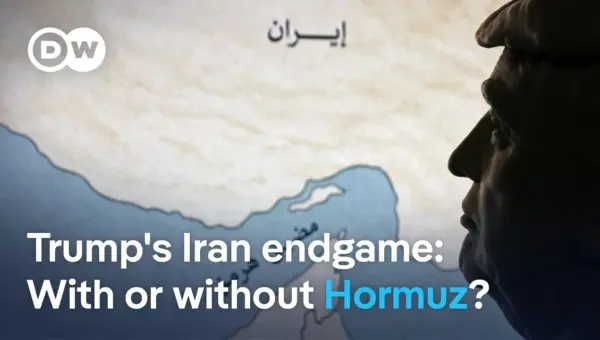
US Weighs Iran Strategy: Hormuz Strait’s Fate Uncertain
The United States is reportedly reconsidering its strategy in the Iran conflict, potentially willing to end hostilities even if the Strait of Hormuz remains closed. This critical oil choke point's closure has trapped thousands of vessels, causing global economic disruption and raising questions about U.S. war objectives. Military action remains a strong possibility to reopen the vital waterway.

Hegseth Undermines Trump’s War Plans Daily
Pete Hegseth, Trump's Secretary of Defense, is reportedly undermining the former president's stated war plans with Iran. Conflicting timelines, shifting objectives, and ethical questions surrounding financial dealings create significant uncertainty. This situation highlights the challenges of clear communication and strategic consistency in national security.
Oil Shocks Fuel Recession Fears, Markets Wobble
Soaring oil prices are rattling global markets, pushing major indices toward correction territory and sparking fears of a recession. Experts warn that prolonged energy shocks, particularly concerning the Strait of Hormuz, could severely impact economic growth. Investors are advised to maintain diversified portfolios and cash buffers.