US Escalates Iran Pressure: Trump Mulls Options Amid Rising Tensions
The U.S. is significantly increasing military pressure on Iran, expanding President Trump's "coercive tools" as tensions rise. While Trump sends mixed signals, threatening to "obliterate" Iranian sites and offering potential incentives, Iran dismisses U.S. demands as unrealistic. Military analysts warn of escalation risks, including threats to energy infrastructure and the potential for ground operations.

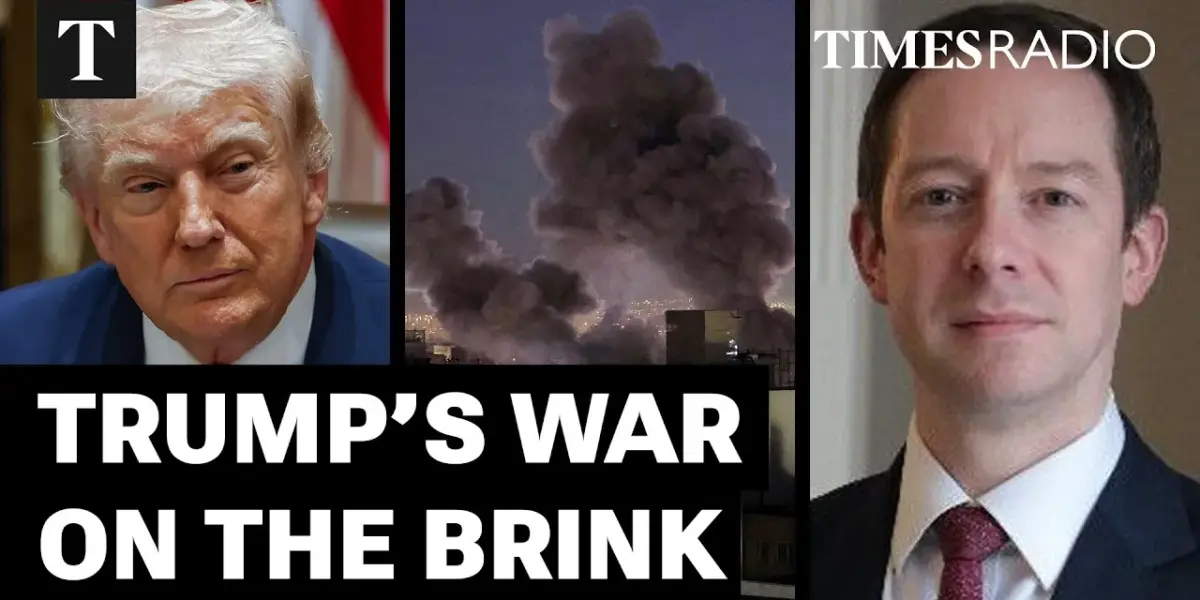
US Broadens ‘Coercive Tools’ Against Iran Amid Escalation Fears
President Donald Trump is weighing a range of aggressive options against Iran, as the U.S. military expands its “menu of coercive tools.” These options aim to inflict damage or threaten to do so, signaling a significant increase in pressure on Tehran. The U.S. is presenting a mix of threats and potential incentives, while Iran has dismissed the demands as unrealistic and excessive.
Trump’s Mixed Signals and Iran’s Response
President Trump has sent conflicting messages, suggesting Iran could have a “great country again” if it complies with U.S. demands, including giving up nuclear weapons. However, he has also threatened to “obliterate” Iranian energy sites, such as Kar Island, if a deal is not reached. Iran, on the other hand, has described the U.S. demands as “unrealistic, illogical, and excessive.” Social media platforms have become a stage for these public exchanges, amplifying the tension.
Military Buildup and Potential Ground Operations
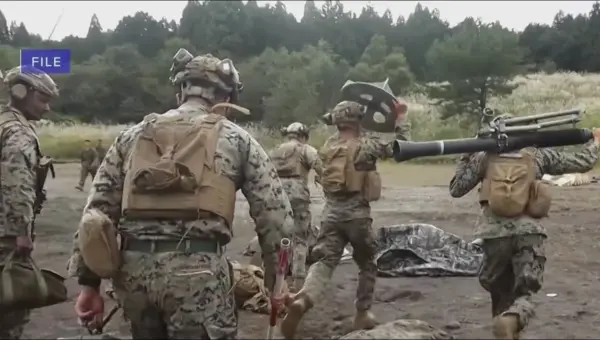
U.S. troops are amassing in the region, with reports from The Wall Street Journal suggesting Trump is considering a ground operation to extract Iran’s uranium. Matthew Savill, director of military sciences at the Royal United Services Institute, explained the complexities of such a move. He noted that while the U.S. military is presenting President Trump with a wider array of options, both sides are threatening escalation.
“Looking at all of the things that are being suggested, planned, mooted, there is an element to which this is the U.S. military giving President Trump options… to either inflict damage or threaten to do so on the Iranians,” Savill stated.
The Risk of Wider Conflict
Savill highlighted that threats against regional energy infrastructure, including civilian targets, could draw other countries into the conflict. Iran has already targeted gas export facilities, aiming to broaden the impact and pressure allies of the U.S. and Israel. “The Iranians have already hit civilian targets. They’ve hit gas export potential,” Savill observed. “They are trying to make the impact of the conflict as broad as possible so that many other countries are effectively dragged in through their interests being at stake.”
Assessing Troop Levels and Capabilities
Approximately 50,000 U.S. troops are currently in the region, an increase of about 10,000 personnel. This buildup includes thousands of paratroopers and Marines. Savill discussed the potential for ground forces, such as a Marine Expeditionary Unit and elements from the 82nd Airborne Division, to conduct operations. However, he stressed the significant challenges involved.
Challenges of a Ground Operation
Taking an island like Kar, even with pre-emptive strikes on its defenses, would be difficult. Amphibious forces would need to navigate the Strait of Hormuz, a potentially risky move if the goal is to keep the strait open. Airborne forces could parachute in, but holding territory would be extremely challenging due to immediate Iranian counterattacks. Savill questioned whether Iran would risk damaging its own infrastructure on the island.
“Holding it would be challenging because they would be immediately targeted by everything the Iranians had,” Savill explained regarding airborne troop deployment.
A Battle of Wills and Strategic Signaling
Savill characterized the situation as a “battle of wills,” where the U.S. seeks to achieve military objectives and eliminate threats, while Iran employs an asymmetric approach. Iran aims to disrupt and demonstrate its disruptive capabilities, hoping to outlast the pressure. The increased U.S. military presence and the discussion of ground operations could be a bluff, intended to increase pressure, signal commitment, or create diversions.
Future Outlook: Continued Pressure and Indirect Talks
Savill’s instinct is that the U.S. will continue its air-heavy approach, targeting Iran’s remaining maritime threats, missile batteries, and mine-laying capabilities. Leadership targeting and actions against internal security forces are also expected to keep the Iranian regime on edge. While a ground assault remains risky, it cannot be entirely ruled out, especially with potential Israeli involvement. However, for now, Savill believes these actions may not be necessary to achieve the objective of degrading Iran’s military capability.
Despite the threats, indirect negotiations are reportedly ongoing, which may be influencing Trump’s mixed messaging. The coming days will likely see a continued display of U.S. resolve, aimed at demonstrating a commitment to a longer engagement than Iran might prefer.
Source: Trump’s Iran Strategy Is A ‘Menu Of Coercive Tools’ As Risk Of Escalation Grows | Matthew Savill (YouTube)

Related Articles

Gulf Allies Urge Trump to Continue Iran Conflict
U.S. allies in the Persian Gulf are urging President Trump to intensify military action against Iran, believing Tehran has not been sufficiently weakened. The ongoing conflict raises concerns about regional stability and global energy prices, while questions linger about the administration's long-term strategy.

Middle East Conflict Sends Gas Prices Soaring Past $4
The national average gas price has surpassed $4 per gallon for the first time since 2022, driven by escalating conflict in the Middle East. Recent attacks on oil tankers and military strikes have heightened fears of energy supply disruptions, impacting consumers globally.
US Weighs Troop Deployment Amid Iran Deal Push
The U.S. is considering deploying ground troops to Iran while simultaneously pushing for a diplomatic deal to reopen the Strait of Hormuz. Air strikes are ongoing as President Trump increases pressure on Iran.